

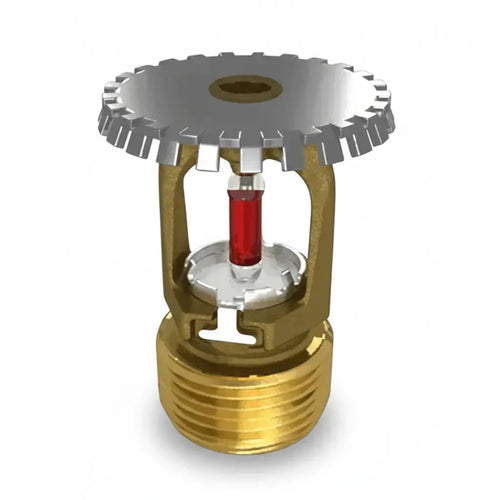


Best Sprinkler Head Guards for Damage Protection
A damaged sprinkler can turn a routine maintenance issue into an impairment, a water-loss event, or a failed inspection item. The best sprinkler head guards are not simply the heaviest cages available. They are listed protective devices matched to the specific sprinkler, installed where the sprinkler is genuinely exposed to mechanical damage, and selected without compromising discharge performance or code compliance.
For fire protection contractors, facilities teams, and maintenance buyers, the decision usually comes down to a few practical questions: Which sprinkler is installed? What type of impact is likely? Does the environment call for corrosion resistance? And is the guard approved for use with that exact sprinkler model? Getting those details right protects the system and prevents a low-cost accessory from creating a much larger problem.
What a Sprinkler Head Guard Is Designed to Do
A sprinkler head guard, often called a sprinkler cage or protective guard, is a metal device mounted around a sprinkler to reduce the chance of accidental contact. It is commonly used for sprinklers installed in locations exposed to carts, forklifts, stored materials, athletic activity, moving equipment, or routine maintenance work.
The guard is not intended to make a sprinkler indestructible. Its purpose is to deflect incidental impact before it can bend the frame, break the glass bulb, damage the fusible element, or activate the sprinkler unintentionally. A properly selected guard also preserves enough clearance for the sprinkler to operate as intended.
NFPA 13 requires sprinklers subject to mechanical injury to be protected. The standard does not mean every exposed sprinkler needs a cage. Adding guards indiscriminately can complicate access, create clearance concerns, and introduce compatibility issues. The correct approach is to identify credible damage exposure and specify listed protection that addresses it.
How to Choose the Best Sprinkler Head Guards
The first requirement is compatibility. A sprinkler guard must be listed or approved for the sprinkler model and installation orientation being protected. Do not assume a guard that physically fits around one pendent sprinkler is suitable for another. Differences in deflector diameter, frame shape, temperature rating, response type, and manufacturer listing can matter.
Manufacturer documentation should be the deciding reference. If the sprinkler manufacturer identifies a specific guard for a given sprinkler series, use that guard. Where a contractor is working from an existing system, verify the sprinkler's manufacturer, model, orientation, K-factor, and temperature classification before ordering replacement protection.
Match the guard to sprinkler orientation
Pendent, upright, horizontal sidewall, and dry sprinklers can require different guard designs. A pendent sprinkler guard must protect the sprinkler body and deflector without interfering with the required discharge pattern. An upright guard has different mounting geometry and must account for the sprinkler's position above the branch line.
Sidewall sprinklers deserve particular attention. Their discharge pattern is directional, so an incorrect cage can affect water distribution or conflict with the wall and ceiling geometry. For dry pendent sprinklers, evaluate the complete assembly and the manufacturer requirements rather than selecting a standard wet-system cage by appearance alone.
Confirm the listing, not just the size
A guard may be described as "universal" in general supply channels, but fire protection work should not rely on loose fit alone. Look for the sprinkler manufacturer's listed accessory or documented compatibility. That confirmation supports inspection acceptance and helps preserve the sprinkler's intended performance.
This is especially important with quick-response sprinklers, extended-coverage sprinklers, residential sprinklers, and special application sprinklers. These products may have specific installation limitations that make a generic guard unsuitable.
Select material for the environment
Finish and material affect service life. Standard plated steel guards are often appropriate for dry, conditioned commercial interiors where exposure is limited. In parking structures, food-processing areas, washdown environments, coastal facilities, cold storage areas, and other corrosive locations, a corrosion-resistant option may be the better long-term choice.
Stainless steel guards can provide stronger resistance to moisture and chemical exposure, but they are not automatically the right answer for every system. Consider the sprinkler finish, pipe material, facility cleaning chemicals, ambient conditions, and the building's maintenance plan. A mismatched selection can leave the guard intact while the sprinkler itself deteriorates.
Consider the actual hazard
The best guard for a finished office corridor is not the same as the best guard for a warehouse aisle. In a warehouse, evaluate forklift travel paths, pallet-rack configuration, loading operations, and the height of stored materials. In a gymnasium or recreation space, the likely threat may be balls or equipment rather than vehicle impact. In a mechanical room, ladders, access panels, tools, and service activity can be the primary risk.
Where impacts are frequent or severe, a sprinkler guard alone may not be sufficient. Relocating the sprinkler, adding a physical barrier, changing storage practices, or protecting adjacent pipe may provide a more dependable solution. Guards are one layer of protection, not a substitute for sound system layout and facility controls.
Common Guard Types and Where They Fit
Wire-form cages are the most familiar option. They are typically constructed from formed steel wire and attach around the sprinkler with a clamp, clip, or mounting arrangement specified by the manufacturer. They are practical for many commercial and industrial applications because they provide visible protection while allowing inspection personnel to see the sprinkler.
Heavy-duty guards use more substantial construction for areas with a higher likelihood of contact. They can be appropriate in warehouses, service bays, manufacturing spaces, and utility areas, provided the guard is listed for the sprinkler and the installation remains accessible for inspection and testing.
Recessed and concealed sprinklers require extra care. Their escutcheons and cover plates are part of the listed assembly, and a standard guard generally should not be improvised around them. If those sprinklers are vulnerable to damage, consult the manufacturer documentation and evaluate whether a different sprinkler arrangement or a listed protective solution is available.
Dry sprinkler protection is also application-specific. The exposed sprinkler portion may be vulnerable, but the installation must continue to meet the manufacturer's requirements for the dry sprinkler, including clearance, sealing, and temperature considerations.
Installation Details That Prevent Problems
Correct installation is as important as selecting the guard. A cage that is bent, loosely attached, or positioned against the deflector may be worse than no guard at all. Follow the guard manufacturer's instructions for attachment method, orientation, and clearance.
Do not field-modify a sprinkler guard by cutting wires, widening openings, welding brackets, or forcing it around a sprinkler that does not match. Those changes can alter the device's protective function and may invalidate its listing. If the specified guard will not fit because of ceiling obstructions, pipe location, or an existing escutcheon, stop and resolve the underlying condition.
After installation, verify that the sprinkler is not loaded by the guard, that the deflector is unobstructed as required, and that the identification markings remain accessible where needed. Inspectors and maintenance personnel should still be able to identify damaged, painted, corroded, or obstructed sprinklers during routine inspection.
Also consider service access. A guard should not prevent replacement of the sprinkler, interfere with a protective cap during construction, or make it difficult to inspect the sprinkler's condition. In facilities with frequent washdown or dust accumulation, include guards in the regular inspection and cleaning plan.
Mistakes That Create Avoidable Inspection Issues
The most common error is treating every guard as interchangeable. A cage may look correct but lack the required listing for the installed sprinkler. Another frequent issue is protecting the head while overlooking exposed branch piping that is equally vulnerable to forklifts or stored goods.
Painting guards and sprinklers together is another avoidable problem. Paint can conceal damage and may impair sprinkler operation. If a guard has been painted, corroded, heavily bent, or struck by equipment, inspect both the guard and sprinkler carefully and replace components as needed.
Buyers should also avoid choosing solely by price. A cheap substitute without clear compatibility documentation can delay acceptance, require rework, and introduce liability on a life safety system. Recognized manufacturer accessories and documented listings offer a clearer path for contractors and building owners who need dependable results.
When Replacement Is the Right Call
Replace a sprinkler head guard when it is distorted, corroded, loose, missing hardware, or no longer suitable for the installed sprinkler. If a guard has taken a significant hit, inspect the sprinkler for bent frames, damaged deflectors, broken bulbs, leaks, or signs of stress. A guard that absorbed impact may have prevented activation, but it cannot confirm that the sprinkler remains serviceable.
For existing buildings, a site walk can identify recurring damage locations. Repeatedly damaged sprinklers near loading zones, overhead doors, rack aisles, and maintenance routes often justify a broader corrective action than replacing individual parts one at a time.
A properly matched sprinkler guard is a small component with a meaningful job: keeping a listed fire sprinkler ready to operate when a fire occurs, not when a cart, ladder, or pallet gets too close. For hard-to-source guards or manufacturer-specific compatibility questions, Fire Protection Parts can help contractors and facilities teams identify dependable, code-conscious replacement options before the next inspection or repair call.

