

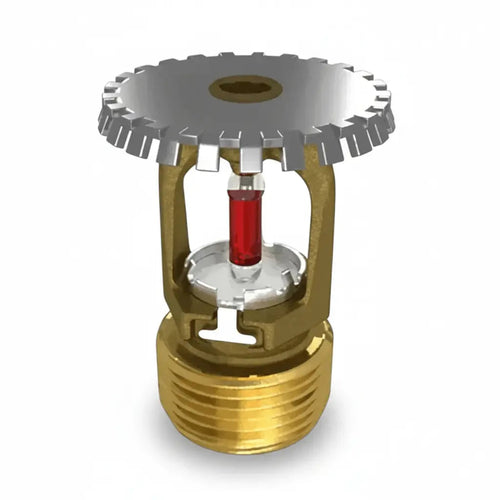


Sprinkler Inspection Tools That Earn a Place in the Kit
A missed gauge reading, a leaking valve trim connection, or a sprinkler head concealed by a new fixture can turn a routine inspection into a costly deficiency. The right sprinkler inspection tools help technicians identify those conditions quickly, document them clearly, and keep a system ready for the testing, inspection, and maintenance work required by its design and applicable codes.
For contractors, facilities teams, and maintenance buyers, the goal is not to buy every gadget available. It is to build a dependable field kit around the equipment used most often, then add specialized tools for the system types and service scope your team handles. A warehouse with wet-pipe risers needs a different tool mix than a campus with dry systems, preaction equipment, fire pumps, and hundreds of valves.
Start With the Inspection Scope
Before selecting tools, establish what the technician is expected to inspect and test. NFPA 25 provides the baseline for inspection, testing, and maintenance of water-based fire protection systems, but the authority having jurisdiction, building owner, insurer, and system manufacturer may impose additional requirements. A tool is useful only when the user understands the reading, condition, or result it is meant to verify.
Routine visual inspections often focus on accessible control valves, gauges, alarm devices, sprinkler heads, piping, hangers, signs, and system components. Testing may involve waterflow alarms, valve supervisory switches, drains, fire department connections, inspectors test connections, and air maintenance equipment. Repairs can require another level of equipment, including replacement parts, fittings, approved sealants, and system-specific gauges.
That distinction matters. A basic inspection kit supports observations and straightforward functional checks. A service vehicle assigned to corrective work needs tools that can safely support isolation, drainage, restoration, and verification after repairs.
Core Sprinkler Inspection Tools for Field Technicians
Flashlight, mirror, and camera
Good visibility is the starting point for a credible inspection. A high-output flashlight helps locate corrosion, leakage, damaged sprinklers, obstructed spray patterns, missing escutcheons, and labeling problems in mechanical rooms and above-ceiling spaces. An inspection mirror helps view the back side of valves, piping, and equipment installed close to walls.
A camera or mobile device is equally practical. Clear, time-stamped photos give facility managers and property owners a record of deficiencies, especially when access is restricted or repair authorization is delayed. Photograph gauge faces, valve positions, damaged components, and obstructed sprinklers before changing anything.
Valve keys, cabinet keys, and operating tools
Control valves must be accessible, identifiable, and in their normal position. Technicians commonly need the correct valve wheel wrench, post indicator valve key, curb-box key, or cabinet key to inspect and operate the equipment safely. The exact tool depends on the valve assembly and how it is installed.
Do not treat a valve tool as a universal lever. Forcing a seized valve can damage the stem, supervisory switch arrangement, or valve body. If a valve does not operate as expected, document the condition and follow the approved service procedure rather than improvising.
Pressure gauges and gauge test equipment
Pressure indication is central to sprinkler system inspection, particularly at risers, dry valves, fire pump assemblies, and air maintenance equipment. A dependable master test gauge, properly rated for the pressure range being measured, allows technicians to compare installed gauges with a known reference.
Gauge selection is not one-size-fits-all. A gauge with too broad a range can make minor pressure changes difficult to read, while an undersized gauge may be damaged or create a safety concern. Use compatible connections, confirm the pressure rating, and handle pressurized components with care. If installed gauges are inaccurate, damaged, unreadable, or improperly ranged, replace them with listed or approved components suitable for the application.
Measuring tape, ruler, and clearance gauge
Many deficiencies are physical conditions, not failed devices. A tape measure or compact ruler helps confirm clearances around risers and valves, identify sprinkler obstructions, and document improper storage below sprinkler deflectors. It is also useful when checking whether replacement components match the dimensions and installation requirements of the existing assembly.
A sprinkler clearance gauge can speed up obstruction assessments, but it does not replace judgment. Ceiling geometry, beams, ducts, light fixtures, signs, and storage configurations can create conditions that require closer review against the applicable installation standard and the sprinkler manufacturer’s data.
Hand tools for access and minor adjustments
A professional kit typically includes adjustable wrenches, socket sets, screwdrivers, nut drivers, pliers, hex keys, and a utility knife. These tools help access valve cabinets, remove panel covers where authorized, tighten loose hardware, and perform minor work within the technician’s qualifications and the site’s approved scope.
Use the correct tool for the fastener and avoid altering sprinkler heads or system components in the field without a defined repair plan. Sprinklers are engineered devices. Painting, bending, impact damage, corrosion, or substitution with the wrong temperature rating, response type, or orientation can compromise system performance.
Tools for Alarm and Waterflow Verification
Water-based fire protection inspections frequently involve coordination with the building fire alarm system. The technician may need a multimeter, test leads, a non-contact voltage detector, and basic hand tools to verify supervisory switch and alarm circuit conditions where permitted by the scope of work.
Electrical testing requires appropriate training and safe work practices. A multimeter can confirm whether a supervisory switch changes state, but it cannot prove that an entire alarm sequence will notify occupants or transmit correctly to a monitoring station. Functional testing should be coordinated with the monitoring provider, building representative, and other affected parties to avoid unnecessary dispatches or business disruption.
For waterflow alarm tests, an inspection test connection or test valve may be used to simulate sprinkler operation. A stopwatch or timer is valuable for documenting alarm response time. Record the starting condition, test point, alarm result, time elapsed, restoration steps, and any abnormal findings. Consistent documentation protects the customer and makes future inspections more efficient.
Specialized Equipment for Dry and Preaction Systems
Dry-pipe and preaction systems introduce air pressure, releasing trim, and more complex restoration procedures. The technician’s tool set may need calibrated air gauges, air-pressure test fittings, hose assemblies, thread sealant approved for the application, and equipment for identifying leaks. Soap solution can help reveal small air leaks at threaded connections, fittings, and valve trim.
An air compressor serving a sprinkler system should not be treated like a general shop compressor. Capacity, pressure controls, supervisory features, and compatibility with the system design all matter. When servicing air maintenance devices, use replacement components from recognized fire protection manufacturers and verify settings against the system documentation and applicable requirements.
Preaction systems may also require familiarity with detection interfaces, solenoid valves, manual release stations, and releasing control panels. These are not systems to troubleshoot by trial and error. A technician should have the manufacturer documentation, proper test procedure, and authority to place the system in test mode before beginning work.
Documentation Is Part of the Tool Kit
The most overlooked inspection tool is a repeatable reporting process. Whether your team uses paper forms or digital reports, each inspection should capture the system location, date, technician, inspected components, readings, test results, deficiencies, impairment status, and corrective recommendations.
Useful documentation does more than create a record. It helps identify recurring gauge drift, chronic air leaks, valve accessibility issues, and repeated storage violations. It also gives procurement teams the details they need to source the correct replacement parts without guessing at manufacturer, size, thread type, pressure rating, or listing requirements.
For larger facilities, label makers and durable tags are practical additions to the service kit. Clear identification of valves, drains, inspectors test connections, and out-of-service equipment reduces confusion during emergencies and routine maintenance. Labels must be durable enough for the environment and should support, not contradict, the building’s approved identification plan.
Buy for Reliability, Not Just Convenience
Low-cost tools can be tempting when stocking multiple trucks, but fire protection work leaves little room for unreliable readings or damaged fittings. Prioritize tools with clear markings, appropriate ratings, durable construction, and available calibration or replacement support. For gauges, adapters, valves, and system components, compatibility and listing status should be confirmed before purchase.
Fire Protection Parts supports contractors and maintenance teams with code-conscious fire protection components from recognized manufacturers, including specialized parts needed for inspection repairs and system restoration. When a field finding turns into a replacement need, accurate photos, measurements, and model information will help ensure the right part reaches the jobsite the first time.
A well-equipped technician does not need to carry every tool made for fire protection. They need dependable tools, a clear procedure, and the discipline to stop when a condition requires a qualified repair, engineering review, or manufacturer guidance. That approach keeps inspections useful, repairs accurate, and life safety systems ready when they are needed most.

