



Sprinkler Pipe Freezing Prevention and Response
A frozen branch line can become a burst pipe, a water-damaged occupancy, and an impaired fire protection system in a matter of hours. Sprinkler pipe freezing is not simply a cold-weather plumbing issue. For commercial facilities, it is a life safety concern that requires prompt investigation, documented corrective work, and a return to service that follows the building's impairment procedures.
The highest-risk locations are rarely the obvious ones. Loading docks, exterior canopies, attic spaces, parking structures, stair towers, mechanical rooms with failed unit heaters, and tenant improvements near exterior walls can all expose sprinkler piping to freezing conditions. A system may perform reliably for years, then freeze after a small change in insulation, airflow, occupancy, or heating operation.
Why Sprinkler Pipe Freezing Causes Serious Damage
Water expands as it freezes. In a wet-pipe sprinkler system, that expansion can crack fittings, split pipe, damage sprinkler bodies, or weaken a component enough that it fails later during thawing. The visible break is not always where the ice formed. Water may be trapped behind an ice plug, creating pressure in another section of the line and causing damage several feet away.
Thawing creates a second hazard. A frozen section can appear stable until building heat returns or outdoor temperatures rise. Once ice releases, a compromised pipe or fitting may discharge quickly. That can produce significant water damage before personnel locate and control the affected zone.
The fire protection risk is just as critical. A closed control valve, drained system, or damaged pipe may leave all or part of a building without automatic sprinkler coverage. Facility teams should treat this as an impairment, notify the appropriate parties under the site's impairment plan, and follow applicable NFPA requirements, insurer guidance, and authority having jurisdiction procedures. Do not assume a system is protected merely because the alarm panel shows no trouble condition.
Where Freezing Problems Usually Start
Most freezing events result from a combination of low temperatures and an overlooked vulnerability. Heat loss around an exterior wall or unsealed penetration can turn a normally conditioned ceiling space into a freezing pocket. A door left open at a loading area can expose piping above the opening. Failed heat tracing, disconnected power, a tripped breaker, or a poorly placed thermostat can remove the protection a system relies on.
Wet systems are especially vulnerable because water remains in the piping. Dry, preaction, and other specialty systems reduce the amount of trapped water in protected areas, but they are not automatically freeze-proof. Low points, improperly pitched pipe, blocked auxiliary drains, condensate accumulation, and damaged air-maintenance equipment can still create freeze exposure. The correct system type depends on the occupancy, design criteria, installation conditions, and applicable code, not just the local winter forecast.
Older buildings deserve additional scrutiny. Changes such as new ceilings, roof work, wall renovations, warehouse reconfiguration, or energy-efficiency upgrades can alter air movement and access to heat. A branch line that was safe under a former layout may no longer receive enough heat after a renovation.
Preventing Sprinkler Pipe Freezing Before Cold Weather
Winter preparation should begin before sustained freezing temperatures arrive. Start by reviewing prior inspection reports, service tickets, and incident records. Repeated cold spots, recurring low-air troubles, or past freeze repairs point to areas that need more than a quick visual check.
Walk the building with maintenance staff and identify sprinkler piping near exterior doors, rooflines, loading docks, windows, unheated voids, and exposed utility spaces. Confirm that insulation is intact, wall and ceiling penetrations are sealed appropriately, and permanently installed heating equipment operates as intended. Temporary space heaters are not a reliable long-term design solution and may introduce their own hazards.
For systems protected by heat tracing, verify the full assembly rather than assuming the cable is working. Confirm power availability, control settings, thermostat operation, physical cable condition, and the integrity of insulation and weather protection. Heat tracing should be installed and maintained according to the manufacturer's instructions and the approved system design. Incorrect installation can leave gaps in protection or create maintenance issues that are harder to identify later.
A disciplined cold-weather plan should also address these operational controls:
- Maintain building temperatures in vulnerable spaces at the level required by the system design and applicable standards.
- Test low-temperature supervisory devices, building alarms, and remote monitoring points where installed.
- Inspect dry-system auxiliary drains and low points, then drain condensate at the intervals required for the system and climate conditions.
- Verify that valves are supervised or secured in their normal position and that valve rooms remain accessible.
- Establish after-hours escalation procedures for low-temperature alarms, waterflow, air pressure changes, and heating failures.
What to Do When a Sprinkler Pipe Freezes
Do not use an open flame, torch, or uncontrolled high-heat device to thaw sprinkler piping. Fire, injury, and damage to listed components are obvious concerns, but abrupt localized heating can also worsen pipe failure. Avoid improvised repairs that return pressure to a questionable section of pipe.
First, determine whether the system has leaked, burst, or is impaired. If water is discharging, follow the facility's emergency procedures and isolate the affected portion only as directed by qualified personnel. Protect occupants, control water damage where it can be done safely, and notify the alarm monitoring company, fire department, insurer, property management team, and other required parties according to the impairment plan.
A qualified fire protection contractor should inspect the affected area before the system is restored. The scope should include more than the visible break. Inspect nearby pipe, fittings, sprinklers, hangers, couplings, valves, and any components that may have been stressed by ice expansion. If a dry or preaction system is involved, investigate drainage, pitch, air supply, and valve operation to identify why water remained where it could freeze.
After repair, restore the system using the applicable testing and acceptance procedures. That may include hydrostatic or other required tests, alarm verification, valve restoration, and documentation. Notify all parties that were informed of the impairment when protection has been fully returned. The exact sequence depends on the system, the extent of work, site procedures, and AHJ requirements.
Selecting Components for Freeze-Related Repairs
Freeze damage is a poor time to substitute unknown parts. Replacement pipe, fittings, couplings, valves, sprinklers, and supervisory components must be compatible with the existing system and suitable for the installation. Listings, approvals, pressure ratings, thread types, materials, temperature classifications, and manufacturer requirements all matter.
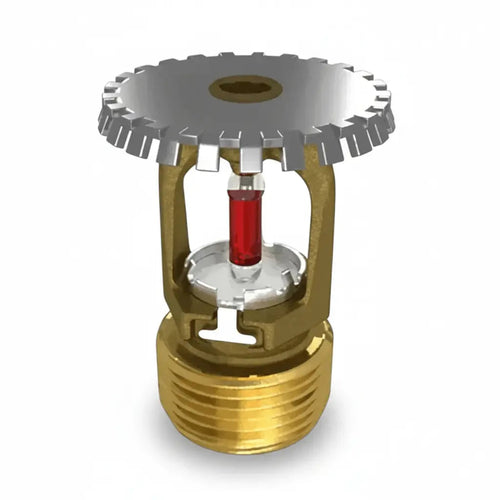
A sprinkler should never be replaced based only on appearance. Verify the manufacturer, model, orientation, K-factor, temperature rating, finish where relevant, and listing requirements. The same discipline applies to dry-system air compressors, supervisory switches, antifreeze-related components, and heat-tracing controls. A part that fits physically may not be an approved or reliable replacement.
For contractors managing an urgent repair, it helps to gather the system information before sourcing parts: photographs of labels and damaged components, pipe size and material, valve trim details, sprinkler data, building address, and the required delivery timeline. Clear information shortens the quote process and reduces the risk of ordering a part that delays restoration.
Make Cold Weather Readiness a Year-Round Practice
The best response to freezing weather is not a last-minute service call. It is a documented maintenance approach that connects building operations with fire protection inspection and testing. Heating changes, tenant work, roof repairs, and repeated alarm signals should all trigger a review of sprinkler freeze exposure.
When replacement components or specialized system parts are needed, Fire Protection Parts can help contractors and facility teams source recognized, code-compliant products without relying on cheap substitutes. The practical goal is straightforward: keep the system protected from cold, identify impairments early, and make every repair support dependable fire protection when it is needed most.

