

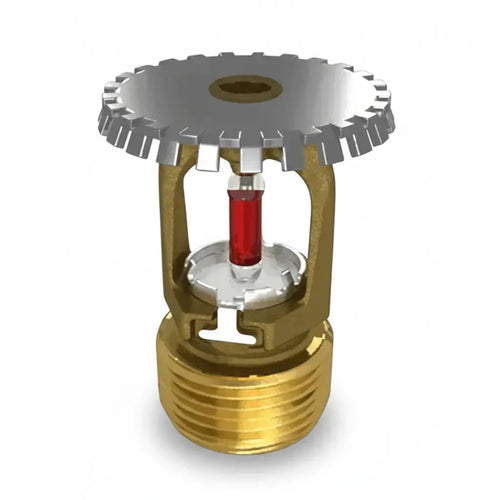


Viking Dry Valve Review for Fire Protection
A dry-pipe system is only as dependable as its valve assembly. When a freezer, loading dock, unheated warehouse, parking structure, or seasonal building needs sprinkler protection without water sitting in branch piping, the valve must hold supervisory air reliably and admit water quickly after sprinkler operation. This Viking dry valve review looks at where Viking dry valves perform well, what installers and service teams should verify, and why correct system matching matters more than choosing on brand name alone.
What a Viking Dry Valve Does
A dry valve separates the water supply from sprinkler piping charged with air or nitrogen. Under normal conditions, water is held below the valve while pressure in the system maintains the valve in its closed position. When a sprinkler operates, air pressure drops, the valve trips, and water enters the system piping.
That sounds straightforward, but dry-pipe operation depends on more than the valve body. The available water supply, system volume, air maintenance arrangement, trim configuration, alarm connections, drainage, and inspection access all affect performance. A well-specified valve can still create service issues if it is paired with an undersized air source, poor drainage, incompatible trim, or a system layout that does not meet required water-delivery performance.
Viking is a recognized manufacturer in commercial fire protection, and its dry valve offerings are commonly considered for projects where listed, engineered components and long-term serviceability are priorities. For contractors and facilities teams, that reputation is valuable, but the right buying decision still starts with the approved plans and the exact valve data sheet.
Viking Dry Valve Review: Strengths That Matter in the Field
The strongest case for specifying a Viking dry valve is not simply name recognition. It is the availability of purpose-built components, documented trim arrangements, and a support ecosystem familiar to sprinkler contractors, inspectors, and replacement-parts buyers.
Designed for controlled differential operation
Dry valves use a differential principle to hold back water pressure with comparatively lower system air pressure. That operating approach is established technology, but execution matters. The valve, clapper or sealing arrangement, intermediate chamber, priming connections, gauges, and releasing trim all need to work together without leakage or restriction.
Viking valve assemblies are designed around this application rather than adapted from general-purpose plumbing valves. For the buyer, that means the product should be evaluated as a listed fire sprinkler valve assembly with its correct trim, not as a standalone body that can be configured with miscellaneous components later. Ordering a complete, specified arrangement reduces the risk of missing gauges, improper orifices, alarm accessories, or supervisory connections.
Practical serviceability for inspection and repair
Dry systems require routine attention. Internal components can wear, seats can become contaminated, priming water can be lost where applicable, and air leaks can increase compressor run time. A serviceable valve design helps technicians inspect operating parts, replace approved repair components, and return the system to service without improvised substitutions.
This is where sourcing matters. Fire protection repairs should use manufacturer-approved replacement parts that match the valve model and vintage. A seal kit, gasket, latch component, actuator, or trim fitting that looks similar may not provide the same listed configuration or operating characteristics. For life safety systems, “close enough” is not a procurement standard.
Compatibility with supervised dry-pipe operation
Viking dry valve installations can be configured with the supervisory and alarm components required by the system design. Pressure switches, waterflow alarm devices, gauges, and air maintenance equipment need to be selected as part of the overall arrangement. Facilities that connect sprinkler monitoring to a fire alarm panel should confirm the required supervisory, waterflow, and trouble signals before ordering replacement components.
The practical benefit is clearer troubleshooting. When trim is installed correctly and devices are identified, a technician can separate an air-loss problem from a valve-seat issue, compressor deficiency, low water supply condition, or alarm circuit fault. That can shorten impairment time and prevent repeat service calls.
Trade-Offs Before You Specify One
A Viking dry valve is not automatically the best fit for every cold-area sprinkler application. Conventional dry-pipe systems carry several operating trade-offs that should be evaluated during design or retrofit planning.
First, dry systems generally have slower water delivery than wet systems because air must be released before water reaches the sprinklers. System size, piping arrangement, air pressure, and accelerator or exhauster provisions can all affect trip and delivery time. If the hazard, building geometry, or applicable code requirements demand faster operation, an engineer may consider alternatives such as a preaction configuration or another approved arrangement.
Second, dry systems need active air-pressure management. A properly sized air compressor or nitrogen system, air maintenance device, pressure supervision, and leak-free piping are not optional details. Excessive leakage may cause frequent cycling, nuisance supervisory conditions, and accelerated wear on equipment. Nitrogen can also provide corrosion-control advantages in certain systems, but it adds equipment and commissioning considerations.
Third, drainage deserves more attention than many buyers expect. Condensation and residual water can collect in low points. Without proper auxiliary drains and routine draining procedures, internal corrosion and freeze damage risks increase. The valve may be high quality, but it cannot compensate for poor pitch, missing drains, or neglected seasonal maintenance.
Specification Checks That Prevent Ordering Errors
Before purchasing a Viking dry valve or a replacement assembly, confirm the exact system requirements. The valve size must match the approved hydraulic design and available supply conditions. Connection type and orientation must match the riser layout. Do not assume a similar-looking model is interchangeable with an existing installation.
Review the product documentation for the required trim, pressure ranges, installation orientation, environmental limitations, and compatible accessories. Verify whether the quoted assembly includes the trim package, gauges, switches, alarm equipment, accelerator or exhauster components, and any required supervisory devices. “Valve only” and “fully trimmed valve” are materially different scopes of supply.
For existing systems, capture the model designation, serial or date information when available, valve size, trim photos, and the reason for replacement. A clear field record is especially helpful when sourcing older repair parts or confirming whether an assembly has been modified over time. If a valve has repeatedly tripped, leaked air, or failed an acceptance or inspection test, the cause should be diagnosed before replacing parts. A new component will not correct a supply, drainage, compressor, or installation defect.
Installation and Commissioning Considerations
Dry valve installation is not a place to rely on generic piping practices. Follow the manufacturer’s current installation instructions, the approved plans, and the applicable edition of NFPA standards adopted by the authority having jurisdiction. The installing contractor should confirm that the riser, trim, drains, alarm connections, and air supply are arranged for access and testing.
During commissioning, the team should verify normal supervisory pressure, water supply valve position, priming requirements, alarm operation, low-air supervision, and restoration procedures. Trip testing must be performed in accordance with the project requirements and manufacturer guidance. Record baseline pressures and compressor run behavior after the system is restored. Those records make future inspection findings easier to interpret.
For a retrofit, consider the downtime plan early. Taking a dry system out of service can require impairment coordination, fire watch provisions, notification procedures, and a defined return-to-service test. Ordering all expected trim and repair items together can avoid an extended impairment caused by one missing fitting or gauge.
Maintenance Expectations for Viking Dry Valves
A dry valve should be part of a documented inspection, testing, and maintenance program, not treated as a set-and-forget device. Visual inspections should look for leakage, corrosion, damaged gauges, closed control valves, loose trim, and signs that auxiliary drains are not being maintained. Air pressure trends and compressor cycling are useful early indicators of system leakage.
Periodic internal inspection and testing should follow the applicable NFPA requirements, manufacturer instructions, and AHJ direction. Use only approved lubricants, seals, and replacement parts where specified. Technicians should also check that signage is legible and that operating instructions remain available at the riser. In an emergency or impairment event, clear identification saves time.
Is a Viking Dry Valve the Right Choice?
For commercial and industrial dry-pipe applications, Viking is a credible choice when the specific valve assembly matches the engineered system, listing requirements, and maintenance plan. Its value is strongest for buyers who need a recognized fire protection brand, correct trim availability, and replacement support over the life of the system.
The decision depends on the project. A small, straightforward cold-space system may prioritize availability and exact compatibility with the existing riser. A large warehouse or complex retrofit may require closer review of water-delivery timing, air maintenance equipment, alarms, and impairment logistics. In either case, confirm the complete assembly rather than buying from a partial description.
Fire Protection Parts can help contractors and facilities teams source Viking valve assemblies, compatible trim, and approved replacement components with the product details needed to keep the job moving. The most useful next step is simple: bring the valve model, size, system type, and field photos to the purchasing conversation so the selected parts support a compliant, dependable return to service.

