



Wet Versus Deluge Systems: Which Is Right?
A sprinkler system choice can determine whether a small, localized fire receives a targeted response or an entire hazard area is flooded at once. When comparing wet versus deluge systems, the key difference is not simply how much water each uses. It is how the system detects a fire, releases water, and matches the protection strategy to the hazard.
For contractors, engineers, and facility teams, selecting the wrong system can create expensive installation changes, inspection complications, or a design that does not adequately address the exposure. Wet pipe systems remain the most common automatic sprinkler arrangement because they are fast, simple, and dependable in conditioned spaces. Deluge systems serve a different purpose: controlling or suppressing rapidly developing, high-challenge fires across a defined area.
Wet Versus Deluge Systems: The Operating Difference
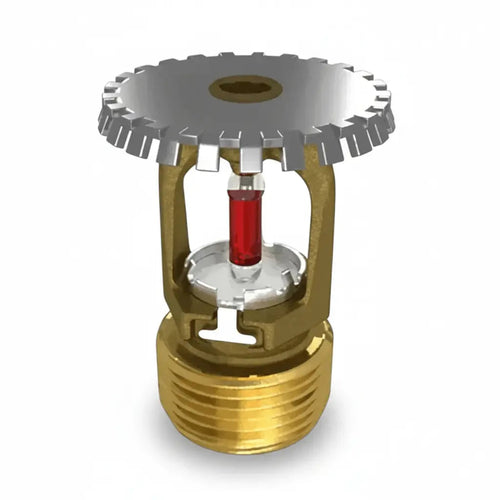
A wet pipe sprinkler system has water maintained under pressure throughout the system piping, downstream of the alarm valve. Each closed sprinkler is held shut by a heat-sensitive operating element, typically a glass bulb or fusible link. When a fire heats an individual sprinkler to its rated temperature, that sprinkler opens and water discharges from that one sprinkler head. Nearby sprinklers remain closed unless they also experience sufficient heat.
This point matters. A common misconception is that every sprinkler in a building activates during a fire. In a properly functioning wet system, water is normally released only through sprinklers exposed to the fire's heat. That focused operation limits water damage while providing a prompt response where it is needed.
A deluge system uses open sprinklers or open spray nozzles. The piping is not normally filled with water beyond the deluge valve. Instead, a separate detection system senses a fire condition and opens the deluge valve. Once the valve releases, water flows through the piping and discharges from every open outlet in the protected zone at the same time.
Deluge valve actuation may be initiated by electric, pneumatic, hydraulic, or manual release arrangements, depending on the listed system configuration and hazard requirements. The detection arrangement must be compatible with the valve trim, releasing panel, supervisory features, and the applicable design criteria. It is not a matter of pairing any open nozzle with any valve.
Where Wet Pipe Systems Make Sense
Wet systems are generally the practical choice where the protected space is reliably maintained above freezing and the fire hazard can be addressed through standard automatic sprinkler operation. Offices, retail spaces, schools, health care areas, apartment buildings, warehouses, and many light- to ordinary-hazard commercial occupancies use wet pipe protection.
Their primary advantage is speed. Because water is already in the piping, there is no valve trip sequence or piping fill time before an operating sprinkler discharges. Wet systems also have fewer specialized release components than deluge systems, which can simplify installation, inspection, testing, and repairs.
That does not mean wet systems are interchangeable across all facilities. They are not suitable where piping is exposed to freezing temperatures unless the space is reliably heated or protected by an approved freeze-prevention approach. They may also be unsuitable when the hazard requires simultaneous water application over an entire surface or piece of equipment.
For routine sprinkler retrofits and tenant improvements in conditioned buildings, wet pipe systems often provide the most direct path to dependable, code-aligned protection. Correct sprinkler selection still matters. Temperature rating, response type, K-factor, orientation, coverage, obstruction rules, and listing requirements must align with the design documents and applicable standards.
Where Deluge Systems Are the Better Fit
Deluge systems are built for hazards where fire can spread quickly, involve flammable liquids or gases, or threaten critical equipment that needs immediate area-wide cooling. Typical applications can include aircraft hangars, chemical processing areas, transformer protection, loading racks, flammable liquid handling operations, power generation equipment, and certain special industrial hazards.
In these environments, the goal may be different from a conventional sprinkler system's localized response. A deluge system can deliver water simultaneously across an exposed structure, equipment group, or hazard area to cool surfaces, control fire spread, or support a foam-water application strategy where required.
The trade-off is obvious and significant: when a deluge system operates, every open discharge device supplied by that valve releases water. This can mean high demand on the water supply, substantial runoff, and greater potential for collateral damage. The system must be engineered for that discharge demand, including pipe sizing, hydraulic calculations, drainage, water supply capacity, and any required fire pump support.
Deluge is also not automatically the correct answer for every severe hazard. In some applications, a foam-water system, water spray system, preaction system, dry system, clean agent system, or a combination of protection methods may better suit the risk. The hazard analysis and the applicable code requirements should drive the design, not a preference for a particular valve type.
Detection and Controls Are Central to Deluge Protection
With wet pipe protection, each sprinkler is both the heat detector and the water discharge point. With a deluge system, detection and water discharge are separate functions. That separation gives designers broad flexibility, but it also increases the importance of properly coordinated components.
The releasing system must detect the anticipated fire condition early enough to meet the system objective without creating an unacceptable risk of accidental operation. Depending on the application, detection may use heat, flame, smoke, linear heat detection, or another listed initiating device arrangement. Releasing control panels, solenoids, pressure switches, supervisory switches, alarms, and manual release stations all need to be selected and installed as part of a listed, compatible assembly.
For facilities teams, this means deluge inspection and testing is more involved than confirming a sprinkler valve is open. The deluge valve, detection circuits, releasing panel, trim, alarm connections, low-point drains, and supervisory functions require regular attention. Impairment planning is equally critical because an out-of-service deluge zone may protect a concentrated, high-value hazard.
Water Supply and Drainage Can Decide the Project
The system selection conversation often starts with the protected hazard. It should also start with available water supply. A wet system typically calculates based on the number of sprinklers expected to operate within a design area. A deluge system may require simultaneous flow through every open nozzle or sprinkler in its assigned zone, often producing a much larger demand.
That higher demand can affect more than the fire pump. It may require larger underground supply piping, increased riser capacity, larger control valves, upgraded backflow protection, additional storage, or a revised water supply approach. The discharge volume also has to go somewhere. Interior deluge applications may need curbs, trench drains, containment, oil-water separation, or a coordinated environmental response plan.
Ignoring drainage is a costly mistake. A system can be hydraulically capable and still create an operational failure if released water damages adjacent production areas, electrical rooms, inventory, or environmental controls. Review discharge pathways during design, not after commissioning.
A Practical Selection Process
The right choice usually becomes clearer when the project team answers a few operational questions. First, is the space maintained above freezing? Second, can a single sprinkler response control the expected fire, or does the hazard require simultaneous application over an area or exposure? Third, what detection method is appropriate for the anticipated fire growth? Finally, can the existing water supply and drainage infrastructure support the required discharge?
The authority having jurisdiction, the fire protection engineer, and the system designer should confirm the applicable requirements before material is ordered. For sprinkler work, component listings and compatibility are as important as the basic system concept. A listed deluge valve with the wrong trim arrangement, a mismatched releasing solenoid, or unapproved open devices can delay acceptance and compromise performance.
For replacement and retrofit work, document the existing manufacturer, valve model, trim configuration, supervisory arrangement, and releasing method before sourcing parts. Seemingly similar valves, switches, and sprinkler devices are not always interchangeable. Using recognized, properly listed components helps protect the system's intended performance and keeps service work aligned with inspection and approval requirements.
Build the System Around the Hazard
Wet pipe systems provide fast, localized automatic protection for a wide range of conditioned commercial occupancies. Deluge systems provide coordinated, full-area discharge for hazards that demand aggressive control or exposure protection. Neither is universally better. Each is effective when it is designed around the actual fire scenario, available water supply, and required code path.
Before finalizing a bill of materials, verify the design intent, valve and releasing requirements, and every listed component in the assembly. That disciplined approach helps prevent procurement delays and gives the facility a system prepared to protect people, property, and operations when it is needed most.

