



Preaction System Components Guide
A preaction system is rarely the place for guesswork. When a data room, freezer, archive, museum space, or telecom area depends on controlled water release, every valve, trim component, and detection input has to do its job in the right order. This preaction system components guide is built for buyers and installers who need a clear view of what belongs in the system, what each part does, and where mismatched components can create testing headaches, nuisance trips, or code issues.
What makes a preaction system different
A preaction sprinkler system keeps water out of the sprinkler piping until a separate releasing event occurs. In practice, that means the piping is typically supervised with air or nitrogen, while a detection system, releasing panel, and preaction valve work together before water enters the system. Depending on the design, sprinkler operation may also be part of the release sequence.
That added layer of control is the reason preaction systems are specified for spaces where accidental water discharge carries a high consequence. The trade-off is complexity. Compared with a wet pipe riser, there are more components to coordinate, more interfaces to test, and more ways for a poorly chosen part to affect system performance.
Preaction system components guide: the core assembly
At the center of the system is the preaction valve. This is the control valve assembly that holds back the water supply until the release condition is met. The exact trim arrangement varies by manufacturer and by whether the system is non-interlock, single-interlock, or double-interlock, but the valve is the anchor point for the whole package.
Around that valve, you will typically see a trim set that includes pressure gauges, drain connections, priming line components, releasing trim, emergency release provisions, supervisory devices, and waterflow-related accessories. In a code-compliant installation, these are not interchangeable afterthoughts. Trim has to match the valve model, the system type, and the listing requirements.
The detection side usually includes compatible initiating devices such as heat detectors, smoke detection where permitted by design intent, releasing control equipment, and wiring accessories. Then there is the air side, which may include an air compressor, air maintenance device, pressure switch, and supervisory low-air components. If the system uses nitrogen instead of standard compressed air, the support equipment changes, but the supervision logic remains just as important.
The preaction valve assembly
The valve body and trim package deserve the most attention during specification and replacement. A listed preaction valve assembly is designed to react to a specific releasing method and a specific pressure relationship between the water supply, priming chamber, and system piping. That is why experienced buyers avoid piecing together trim from mixed sources unless the manufacturer explicitly permits it.
For replacement work, the key question is not just valve size. You also need to confirm pressure ratings, connection type, trim compatibility, release method, and whether the application is refrigerated, corrosive, or otherwise specialized. A valve that fits the pipe may still be wrong for the releasing sequence or supervisory arrangement.
Contractors also need to pay attention to reset procedures. Some valve assemblies are more service-friendly in the field, while others are less forgiving when the trim has been altered over time. On occupied commercial sites, easier inspection and reset can save labor over the life of the system.
Detection and releasing components
A preaction system only works as intended if the releasing side is coordinated correctly. In a non-interlock system, operation of the detection system opens the preaction valve and admits water into the piping, with sprinkler discharge occurring when a sprinkler opens. In a single-interlock system, a detection event typically opens the valve while the sprinkler still needs to operate for water discharge at the hazard. In a double-interlock system, both detection and loss of pneumatic pressure from sprinkler operation are part of the release logic.
That logic matters when selecting panels, releasing modules, detectors, and supervisory switches. Not every detection device is suitable for every environment, and not every releasing panel is configured the same way. Electrical compatibility, sequence of operation, standby power requirements, and field testing procedures all need to match the basis of design.
This is also where many retrofit jobs get sideways. A building may have legacy releasing equipment that still functions, but replacement of one major component can expose compatibility issues with the panel, solenoid, or supervision wiring. If the system has changed hands over the years, verify actual field conditions before ordering parts.
Solenoids, manual release, and emergency trim
The solenoid valve is a small component with a big role. It acts as the electrically operated release point that allows the preaction valve to trip when the control panel sends the signal. Solenoid voltage, enclosure type, trim compatibility, and listing status all need to line up with the system design.
Manual emergency release is equally important. On most systems, operators need a direct way to actuate the valve without relying on the automatic detection sequence. That hardware must be accessible, clearly identified, and installed according to the valve manufacturer's requirements.
If you are sourcing replacement trim, it is worth checking whether the project needs the full original trim set or only selected service parts. Some field repairs are simple. Others should trigger a broader review because piecemeal replacement can leave an older valve assembly difficult to inspect, reset, or document.
Air supply and supervisory devices
Most preaction systems rely on supervised air pressure in the sprinkler piping. That makes the air compressor, air maintenance device, and pressure switches more than support equipment. They directly affect how the system supervises integrity and, in double-interlock systems, how it recognizes a sprinkler operation event.
Compressor sizing should reflect the system volume and manufacturer requirements, not just what happens to be on the shelf. Oversized equipment can create control issues, while undersized equipment can slow restoration after testing or service. In cold storage or corrosive environments, nitrogen generation or other specialized approaches may make more sense than standard compressed air.
Pressure switches also need careful attention. Low-air supervisory switches, high-pressure conditions, and alarm interfaces all have to be set and tested properly. A switch with the wrong range or poor calibration can lead to false supervisory conditions or missed events. For facilities teams, that often shows up as nuisance signals and repeated service calls.
Sprinklers, piping, and auxiliary devices
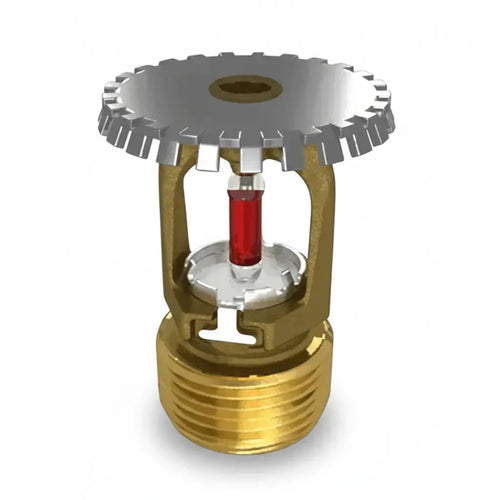
Even though the preaction valve and release trim get most of the focus, sprinkler selection still has to match the hazard, temperature conditions, and system design. In refrigerated spaces or unheated sections, dry sprinklers or other application-specific devices may be required. In sensitive occupancies, sprinkler response characteristics and placement deserve close coordination with the design documents.
The same goes for auxiliary drains, inspectors test connections, and waterflow accessories. Because preaction systems are more involved to test and restore, service-friendly layout decisions matter. A technically acceptable arrangement can still be a poor operational choice if it makes routine inspection slow or reset labor-intensive.
Common specification and replacement mistakes
The most common problem is assuming a preaction system is just a dry system with a few extra parts. It is not. The valve trim, releasing controls, air supervision, and sequence of operation form a package. If one element changes, the rest may need review.
Another frequent issue is brand mismatch. Trusted manufacturers design valve trim, solenoids, switches, and accessories to work within listed assemblies. Substituting look-alike parts can create real problems during acceptance testing or annual inspection.
There is also the question of availability versus suitability. On a delayed project, buyers may be tempted to source whatever appears close enough. In life safety work, close enough is a costly phrase. If a component affects listing, reset procedure, supervisory logic, or pressure performance, verify it before it ships.
How to buy the right parts the first time
Start with the valve nameplate, trim configuration, and sequence of operation. Then confirm the manufacturer, model, size, pressure rating, and whether the system is non-interlock, single-interlock, or double-interlock. If you are replacing electrical release parts, document panel model, solenoid voltage, switch ranges, and any site-specific control logic.
Photos help, but photos alone are not enough on more technical jobs. Material lists, submittals, and existing test records can prevent avoidable returns and field delays. For retrofit projects, it also helps to check whether the owner wants a like-for-like repair or a broader upgrade to improve serviceability and long-term parts support.
For contractors and facilities teams sourcing through a specialized distributor such as Fire Protection Parts, the advantage is not just inventory. It is access to code-compliant, brand-name components backed by people who understand how these systems are assembled in the field.
When the application calls for preaction, the safest buying approach is also the most practical one: match the system type, respect the listing, and treat every component as part of one release sequence. That extra discipline upfront usually saves far more time than it costs once the system is on test day.

