

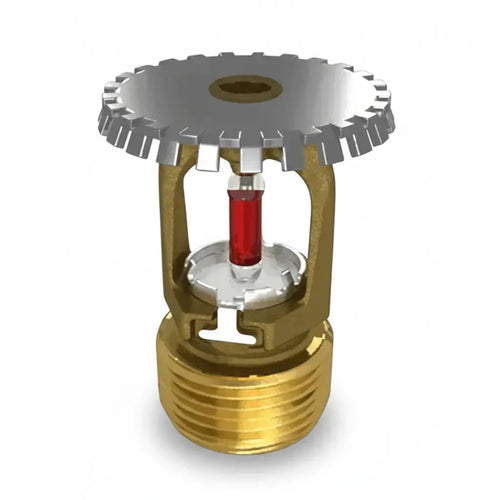


PTR Electric Deluge VXD: What Buyers Should Know
When a job calls for a PTR Electric Deluge VXD, there is usually no room for guesswork. You are not buying a general-purpose valve component or a convenience replacement. You are sourcing a life safety device that has to match the system design, operate as intended, and hold up under real service conditions.
For contractors, maintenance teams, and commercial buyers, the challenge is rarely just finding the part name. The real issue is confirming that the exact configuration fits the application, meets project requirements, and avoids delays during installation or inspection. That is where a careful review matters.
PTR Electric Deluge VXD in real-world fire protection work
Electric deluge trim and release assemblies are typically used where fast, controlled actuation is required as part of a deluge or preaction arrangement. In those applications, component selection affects more than install time. It can affect release reliability, reset procedures, supervisory integration, and service access down the road.
That is why buyers looking at a PTR Electric Deluge VXD should think beyond a simple part-for-part swap. On paper, two assemblies may look close enough. In the field, small differences in trim layout, electrical release compatibility, pressure requirements, or approvals can create problems that show up at acceptance testing or during a future impairment event.
If you are replacing an existing unit, start with the installed system data and not just a verbal description from the site. If this is for new work, check the engineered design documents, submittal requirements, and any owner standards before ordering. Deluge and preaction systems are less forgiving than ordinary wet system component substitutions.
What to verify before ordering a PTR Electric Deluge VXD
The first item is application fit. Confirm whether the assembly is intended for a true deluge system, a single-interlock preaction arrangement, or another releasing setup. The words used in the field are not always precise, and ordering based on shorthand can lead to the wrong package showing up on site.
Next is valve and trim compatibility. An electric release component has to work with the specific valve body, trim arrangement, and release logic it was designed for. Even if mounting points appear similar, that does not guarantee proper operation. Matching manufacturer specifications and model details is the safer path than assuming interchangeability.
Electrical characteristics also need attention. Voltage, coil requirements, release panel compatibility, and supervision expectations should all be checked against the system design. A mismatch here can create nuisance issues that are hard to diagnose after installation. It is especially important when a facility has existing fire alarm infrastructure with limited flexibility.
Environmental conditions matter more than some buyers expect. If the assembly is going into a corrosive area, a washdown environment, an unheated space, or a facility with vibration concerns, review the materials and enclosure suitability carefully. A part that performs well in a conditioned riser room may not be the right choice in a harsher industrial setting.
Then there is compliance. Buyers should confirm required listings, approvals, and any project-specific code expectations before purchase. In fire protection, close enough is usually not good enough. A lower-cost substitute that lacks the right acceptance path can cost more once field corrections, rework, or inspection delays enter the picture.
Common purchasing mistakes with PTR Electric Deluge VXD components
One of the most common mistakes is treating the assembly like a universal electric trim kit. It is not. Fire protection systems are built around tested combinations, and the further you move away from the documented configuration, the more risk you take on.
Another mistake is ordering from incomplete nameplate information. If the existing equipment tag is worn, painted over, or partly missing, pause before placing the order. Pull the original submittals if possible, review the riser details, and compare the installed arrangement against current documentation. A few extra minutes on the front end can prevent days of delay later.
Buyers also run into trouble when they focus only on the headline component and ignore the supporting pieces. Release assemblies often depend on specific trim items, connection hardware, pressure accessories, or control components. If one small item is omitted, the entire replacement can stall.
There is also the timing issue. Specialized deluge and preaction parts are not the same as everyday sprinkler fittings or common wet system valves. If a project schedule is tight, waiting until the last minute adds unnecessary pressure. For planned shutdowns, retrofits, or repairs tied to inspection findings, confirming availability early is the practical move.
How to evaluate if the PTR Electric Deluge VXD is the right fit
Start with the system objective. Are you restoring an existing listed arrangement, replacing a failed release component, or updating a system as part of a broader retrofit? Each scenario changes what “right fit” means.
For direct replacement work, the goal is usually matching the existing approved setup with minimal disruption. In that case, exact model confirmation is often the priority. The more closely you match the original design intent, the smoother installation and testing usually go.
For retrofit work, the decision can be less straightforward. Older systems sometimes include discontinued parts, field modifications, or control logic that does not align cleanly with current product offerings. In those cases, buyers may need to confirm whether a simple replacement is possible or whether the project really requires a more complete trim or control update.
For new work, the focus shifts to engineering coordination. The selected assembly should align with the valve package, releasing panel, detection method, and owner expectations for testing and maintenance. A technically correct part that complicates future service is not always the best purchasing decision.
Why technical support matters on specialized deluge components
The cost of a wrong order on standard pipe and fittings is usually manageable. The cost of a wrong order on a releasing component is different. It can hold up final inspection, delay occupancy, extend impairments, or force a rushed resubmittal.
That is why experienced buyers tend to value knowledgeable support as much as price. With a component like the PTR Electric Deluge VXD, the key question is not only “Can I get it?” but also “Am I getting the correct configuration for this exact system?”
A dependable supplier should be able to help review the application, identify missing details, and flag potential compatibility issues before the order is finalized. That support is especially useful when the job includes partial records, older equipment, or a facility team that needs to minimize downtime.
At Fire Protection Parts, that practical review is part of what makes sourcing specialized components easier for contractors and facilities teams. The goal is straightforward - get the right fire protection part in place with less back-and-forth and fewer surprises in the field.
PTR Electric Deluge VXD and long-term maintenance considerations
Buying the right component is only part of the equation. Serviceability matters too. If your team will need to test, inspect, or reset the assembly under normal maintenance cycles, think about accessibility and documentation before installation.
Clear labeling, accurate records, and matched replacement data make future service faster. This becomes even more important in campuses, industrial plants, and multi-building portfolios where maintenance staff may inherit systems installed by different contractors over many years.
It also helps to think about spare strategy. Not every site needs a spare specialized release assembly on the shelf, but some do. If the protected hazard is critical, if downtime is expensive, or if replacement lead times are a concern, keeping key parts identified in advance can reduce exposure during an unexpected failure.
There is always a balance between budget discipline and operational risk. For a noncritical area, ordering as needed may be reasonable. For high-value processes, mission-critical buildings, or facilities with limited shutdown windows, a more proactive stocking approach can make sense.
A practical buying approach
If you are sourcing a PTR Electric Deluge VXD, treat it like a technical purchase, not a commodity order. Gather the valve and trim details, confirm the system type, verify electrical and compliance requirements, and account for the conditions the assembly will face once installed.
That process is not about slowing the order down. It is about protecting the job from preventable errors. In fire protection, the fastest purchase is the one that arrives correct, installs cleanly, and passes the required testing without a scramble.
The best next step is simple: match the part to the system with the same care you would expect from the system in an emergency.
