

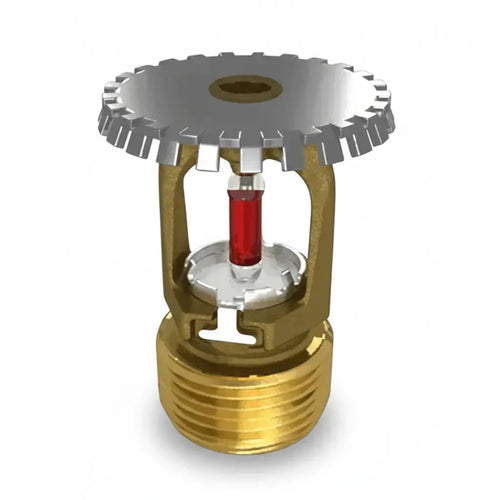


Where to Buy Fire Sprinkler Parts
When a job is waiting on a trim valve, replacement sprinkler, pressure switch, or specialty fitting, the question is not just where to buy fire sprinkler parts. It is where to buy the right parts, from a supplier that understands code compliance, brand compatibility, and the cost of getting it wrong. In fire protection, a cheap substitute or a vague product listing can turn a simple replacement into a failed inspection, a return, or a project delay.
That is why experienced contractors, facilities teams, and maintenance buyers rarely shop these components the same way they buy general plumbing supplies. Fire sprinkler systems are specification-driven. The parts need to match the system design, the listing requirements, and the jobsite conditions. A supplier worth using should do more than process an order. They should help you source dependable, code-compliant products quickly and accurately.
Where to buy fire sprinkler parts without creating risk
The best place to buy fire sprinkler parts is a specialized fire protection supplier with depth across system components, replacement parts, and recognized manufacturers. That matters because sprinkler work often involves more than one item category at a time. A repair might require sprinklers, escutcheons, valves, gauges, switches, CPVC fittings, hangers, compressor accessories, or backflow parts in the same order.
A specialty distributor is typically better positioned than a general industrial marketplace or broadline hardware source for one reason: product accuracy. Fire protection parts often look similar on screen but differ in listing, temperature rating, finish, response type, pressure class, connection size, or manufacturer-specific compatibility. If the supplier is built around fire and life safety products, the product data tends to be clearer, and support is more likely to come from people who know what those differences mean.
This is especially true for hard-to-find items and retrofit work. Older systems, brand-specific trim components, and less common valve assemblies are not the kind of products every seller keeps organized or even correctly labeled. If you are replacing an existing part, not designing from scratch, that technical accuracy matters as much as availability.
What a reliable supplier should offer
If you are comparing sources, start with catalog depth. A supplier that carries sprinklers, valves, air compressors, fire pump accessories, alarm devices, backflow preventers, CPVC components, risers, and foam equipment is more useful than one that only sells a narrow slice of the system. It reduces split ordering and helps keep submittals, replacements, and maintenance purchases aligned.
Brand quality is the next filter. In this market, recognized manufacturers are not a nice extra. They are part of purchase confidence. Contractors and spec-driven buyers typically want products from names they already trust, whether that is Viking, Reliable, General Air Products, Potter, Zurn Wilkins, Ames, or another approved manufacturer. Brand continuity helps with approvals, maintenance consistency, and long-term serviceability.
Support also matters more than many buyers admit. Some purchases are straightforward. Others are not. If you are trying to match a dry pendent length, verify a valve trim component, replace a supervisory device, or quote out a combination of stocked and specialty items, responsive customer service can save hours. Good support is not hand-holding. It is operational efficiency.
Fast shipping is another practical requirement, not a marketing extra. Fire sprinkler parts are often purchased under deadline pressure tied to inspections, shutdown windows, tenant work, or active repairs. A supplier that can fulfill quickly across the USA can make the difference between keeping a schedule and reworking one.
Where buyers get into trouble
The biggest mistakes usually happen when buyers treat fire protection components like commodity parts. Online marketplaces, liquidation sources, and low-price resellers may seem attractive when the part number looks close enough and the photo appears right. But close enough is not a safe purchasing standard in fire protection.
One common problem is incomplete or inaccurate listings. Temperature ratings, K-factors, finishes, thread types, pressure classes, and listings may be missing or buried. Another is substitute products presented as equivalent without clear confirmation of approvals or fit. Even if the item arrives, it may not match the submittal, the authority having jurisdiction requirements, or the existing system conditions.
There is also the issue of product handling and provenance. For life safety equipment, buyers want confidence that products are new, properly packaged, supported by manufacturer warranties, and sourced through legitimate distribution channels. That is harder to verify with random third-party sellers.
Price can be a warning sign too. Not every discount is a problem, but unusually low pricing on branded fire protection parts should prompt questions. If the source cannot clearly explain manufacturer backing, product condition, and exact specifications, the real cost may show up later in returns, downtime, or compliance issues.
How to evaluate where to buy fire sprinkler parts
The strongest buying decision usually comes down to five checks.
First, confirm the supplier specializes in fire protection, not just industrial or MRO inventory. Specialization usually means better category structure, better technical data, and fewer mismatched products.
Second, verify the brands and approvals you need are clearly represented. If you are buying for a spec-sensitive job, the supplier should make it easy to identify listed and approved products rather than forcing you to guess.
Third, look for evidence of support beyond checkout. Custom quote assistance, product guidance, and real customer service are valuable when the order involves multiple system components or uncommon parts.
Fourth, assess whether the supplier can support both routine and specialized buying. A source that can handle common sprinklers and fittings but also help with air maintenance devices, backflow assemblies, or valve components is more useful over time.
Fifth, consider fulfillment reliability. Fast shipping, clear stock communication, and practical order handling matter because most buyers in this category are not shopping casually. They are trying to keep work moving.
The best sources depend on what you are buying
Not every purchase requires the same type of supplier interaction. If you are ordering common stocked items for routine service work, speed and straightforward product selection may be the priority. If you are sourcing for a retrofit, repair on an older system, or a mixed-material order, technical support and category breadth move much higher on the list.
For example, a facilities team replacing a handful of standard sprinklers and escutcheons may mainly need fast access to known SKUs. A fire protection contractor pricing a larger install or phased repair may need coordinated sourcing across valves, pipe accessories, detection products, and specialty components. A maintenance buyer dealing with compressor-related dry system parts or a specific backflow assembly may need support identifying the right configuration before ordering.
That is why the best answer to where to buy fire sprinkler parts is not simply online or wholesale. It is from a specialized supplier that matches the complexity of the work. The more technical the purchase, the more valuable supplier expertise becomes.
Why specialized e-commerce works for fire protection buyers
For many commercial buyers, specialized e-commerce has become the practical middle ground between local counter availability and traditional quote-only distribution. When the site is built correctly, you get clear product categories, access to trusted brands, immediate visibility into related components, and the ability to move quickly without losing technical confidence.
That model works especially well when it is backed by knowledgeable support and custom quote options. Buyers can place straightforward orders efficiently, but they are not left on their own when the order gets more specialized. That is the difference between a generic online store and a dedicated fire protection parts supplier.
A source such as Fire Protection Parts fits this model because it combines broad catalog coverage with recognized manufacturers, quote support, and fast fulfillment for contractors and commercial buyers who need dependable fire and life safety components. That kind of supplier is often the right answer when the stakes are higher than simple price shopping.
The safest buying habit is a simple one: purchase from suppliers that treat fire sprinkler parts like mission-critical equipment, because that is exactly what they are. When the product data is clear, the brands are trusted, and support is available when a job gets complicated, buying becomes faster and far less risky. That is usually the difference between solving a problem once and solving it twice.

