



Fire Suppression System Replacement Parts: The 2026 Professional Buyer’s Guide
A single failed valve trim or an outdated sprinkler head isn't just a maintenance oversight; it's a structural vulnerability that can invalidate your entire facility's safety rating. You understand that keeping a system operational while balancing NFPA 25 (2026 Edition) requirements and the fear of unexpected downtime feels like a constant high-stakes gamble. Identifying specific legacy components or the correct valve trims shouldn't be the bottleneck that puts your life safety reliability at risk. Finding the right fire suppression system replacement parts is about more than just a part number; it's about ensuring your protection architecture remains unbroken.
This guide provides the technical roadmap you need to identify, evaluate, and source the exact, code-compliant components required to maintain your system's integrity. We'll break down the latest UL/FM standards, navigate the 2026 regulatory shifts for HFCs and annual internal valve inspections, and show you how to streamline your procurement process for maximum uptime. By the end of this professional buyer's guide, you'll have the expert confidence to make choices that prioritize both safety and long-term performance.
- Master the latest 2026 NFPA 25 requirements to ensure every component meets the highest standards of life safety and property protection.
- Identify and source exact fire suppression system replacement parts by locating manufacturer model numbers and assessing specific environmental challenges.
- Differentiate between monitoring, connectivity, and mechanical trims to build a comprehensive inventory of essential system spares.
- Verify the critical differences between UL Listing and FM Approval to guarantee your replacement parts are fully code-compliant.
- Streamline your procurement process with professional-grade solutions from Viking and PTR, eliminating the risk of incorrect or non-compliant parts.
Why Quality Fire Suppression System Replacement Parts Matter in 2026
Fire suppression system replacement parts are more than just shelf stock; they are the precision components required to restore a system to its certified operating state. In high-pressure environments, every component must perform exactly as engineered. The 2026 edition of NFPA 25 emphasizes this through rigorous Inspection, Testing, and Maintenance (ITM) standards. When you source hardware for Automatic fire suppression systems, you aren't just buying a valve or a gauge. You're securing the reliability of a life-safety network. High-quality parts ensure that when a system is called upon, it responds without hesitation.
Off-brand components present a significant risk. These parts often lack the rigorous testing required for high-pressure environments. A single failed seal or a non-compliant coupling can lead to a catastrophic system failure when seconds matter most. Weathered or corroded parts also impact response times. Friction in a degraded valve can delay water or chemical delivery. This delay often means the difference between a contained incident and a total loss. Reliability is non-negotiable in fire protection.
The Connective Tissue of Fire Safety
Small components like O-rings and couplings are the connective tissue of your safety architecture. They maintain the precise pressure levels required for immediate activation. Routine maintenance isn't just a regulatory hurdle; it's the only way to ensure emergency readiness. Choosing 'good enough' hardware creates a massive liability. If a part isn't listed for the specific system, it hasn't been proven to work under the exact stresses of your facility. Using authentic fire suppression system replacement parts guarantees that every link in the chain is as strong as the original design.
Avoiding Costly System Downtime
A non-compliant system is a financial drain. Beyond the risk of fines, you face increased insurance premiums and the potential for a forced shutdown. Keeping essential fire suppression system replacement parts on-site prevents the need for expensive fire watch services. These services require dedicated personnel to monitor a building manually when the suppression system is offline. A proactive replacement strategy allows facility managers to swap aging components during scheduled windows. This eliminates the chaos of emergency repairs and ensures the building remains protected 24/7. Professional sourcing is the fastest way to eliminate doubt and maintain compliance.
Critical Categories of Fire Suppression Spares
Organizing your inventory into distinct categories is the first step toward achieving total system readiness. Effective procurement for fire suppression system replacement parts requires an understanding of how monitoring, connectivity, and mechanical trims interact. Each category serves a specific role in the suppression layout, ensuring that the system detects a threat, signals the alarm, and delivers the suppressant without mechanical failure. Utilizing UL Listed and FM Approved hardware is the only way to guarantee these components will perform under the stress of a real-world emergency.
Adhering to NFPA 25 standards means more than just checking a box. It requires the use of precision-matched components for every repair. When a valve assembly begins to show signs of wear, a generic fix isn't an option. You need specialized valve trims designed for the specific model and manufacturer to maintain the system's hydraulic balance.
Monitoring and Signaling Components
Monitoring components act as the eyes and ears of your fire protection strategy. Pressure switches, tamper switches, and waterflow switches provide the critical data needed to alert facility managers and emergency responders. Professional-grade gauges are equally vital, offering real-time data that confirms the system is pressurized and ready. Modern alarm monitoring panels require high-fidelity signals; using outdated or non-compliant switches can lead to false alarms or, worse, a failure to signal during a fire. Regular replacement of these electronic "eyes" ensures your system remains communicative and reliable.
Valve Trims and Repair Kits
Valve trims are essential repair kits that include the external piping, fittings, and devices used to control the operation of alarm, dry, and deluge valves. These trims ensure proper system tripping and facilitate necessary drainage during testing. Rebuilding a valve assembly is a high-precision task. It requires parts that match the original manufacturer’s specifications exactly. A slight mismatch in a spring or a diaphragm can prevent a deluge valve from opening or cause a dry pipe system to trip prematurely. Investing in high-quality trims is the most effective way to extend the life of your primary control valves.
Seals, Fittings, and Connectivity
Connectivity components like O-rings, couplings, and fittings are often the most vulnerable to environmental degradation. In corrosive or high-vibration settings, standard rubber seals can become brittle and fail. High-durability O-rings are required to maintain a leak-proof seal over decades of service. For modern residential and light commercial applications, Essential CPVC fire protection fittings offer a corrosion-resistant alternative to traditional steel. These components must be handled with care to ensure the integrity of the entire pipe network. If you're unsure which seals match your current hardware, you can browse our professional-grade inventory to find exact matches for your system.
Compliance Check: UL, FM, and NFPA 25 Standards
Compliance isn't a suggestion. It's the legal foundation of your facility's safety. When you source fire suppression system replacement parts, the markings on the hardware are the only proof of performance. Fire marshals don't accept "similar" or "generic" alternatives. They demand verified components that match the system's original listing. Different Types of fire suppression systems have unique requirements, and mixing non-compliant hardware into these layouts is a recipe for inspection failure. It's about ensuring every component works in harmony with the original engineering specs.
Temperature ratings are equally vital. A spare part that isn't rated for the specific environment will fail. In a high-heat industrial zone, a standard-rated seal might degrade in months. Conversely, a sprinkler head with the wrong thermal trigger could delay activation during a flash fire. Precision is the only way to maintain the system's intended response time and prevent accidental discharge. You don't want to explain to an insurance adjuster why a five-dollar generic part caused a million-dollar failure.
Understanding UL Listing and FM Approval
UL Listing focuses on the life safety aspect, ensuring the part won't fail during an emergency. FM Approval is often driven by insurance requirements, focusing on property protection and risk reduction. The testing process for these marks is brutal. Components are subjected to extreme pressures, corrosive atmospheres, and mechanical stress tests that generic hardware simply can't survive. If your building is insured by an FM Global partner, using non-approved parts is a direct violation of your policy. It's a risk that no facility manager should take. Look for the physical stamps on every valve, switch, and fitting you buy to eliminate doubt.
NFPA 25: The ITM Roadmap
NFPA 25 serves as the mandatory roadmap for system health. It separates the "nice-to-haves" from the "must-replaces" based on specific inspection cycles. Wet pipe systems are generally simpler, but they still require regular gauge and alarm testing. Dry systems are more complex, requiring specific attention to air compressors and low-point drains to prevent internal scale and corrosion. Annual and 5-year inspections frequently flag worn-out pressure switches and brittle gaskets. Keeping a stocked inventory of fire suppression system replacement parts allows you to fix these issues immediately. For a deeper look at procurement strategies, try Sourcing sprinkler system components online to ensure you always have the right hardware ready for the next ITM cycle.
How to Identify and Source the Correct Suppression Spares
Identifying the correct fire suppression system replacement parts requires a systematic approach. It starts by locating the manufacturer name and model number directly on the hardware. Most valves and switches have this information stamped or cast into the body. If the physical label is missing, your first step should be checking the original system blueprints or the most recent inspection report. Accuracy at this stage prevents the risk of ordering incompatible hardware that could lead to system failure.
Next, assess the operating environment. A part that works in a standard warehouse may fail in a chemical plant or a coastal facility. Corrosive atmospheres, high vibration, or seismic activity dictate the material grade of your spares. Once the environment is defined, verify technical specifications like PSI ratings, thread types, and temperature limits. Finally, if you're dealing with legacy components, check for modern equivalents that maintain the system's original UL listing. Sourcing the right hardware is about ensuring the protection architecture remains unbroken.
Identifying Weathered or Painted Components
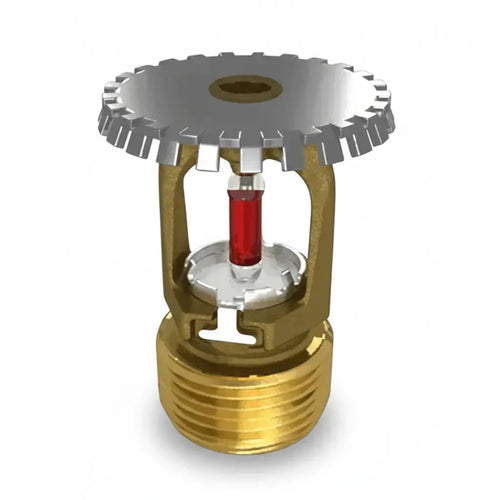
Years of maintenance often leave components buried under layers of paint or grime. Never use harsh solvents that might degrade gaskets or seals. Instead, use a soft brush or a specialized cleaner to reveal labels on gauges and switches. For sprinkler heads, the deflector or frame often contains a SIN (Sprinkler Identification Number). This code is the key to identifying fire sprinkler head temperature ratings and ensuring an exact match. If you can't find a clear ID, consult a professional identification guide rather than guessing. Guesswork is a liability you can't afford in fire safety.
Common Mistakes in Part Procurement
One of the most dangerous errors is mixing different manufacturers' valve trims. These assemblies are engineered as a single unit. Swapping a Viking part into a PTR assembly can compromise the hydraulic timing of the system, leading to delayed activation. Another frequent oversight is ignoring seismic requirements. In high-risk zones, every replacement must account for Seismic bracing for sprinkler systems to remain code-compliant. Accuracy in procurement is the only way to ensure life safety reliability and avoid a failed inspection. If you need to verify a component's compatibility, you can search our professional-grade inventory to find the exact hardware for your system.

Standout Replacement Solutions at Fire Protection Parts
Reliable protection starts with a partner who understands the high stakes of fire safety. Sourcing fire suppression system replacement parts from a general vendor often leads to compatibility errors and inspection failures. At Fire Protection Parts, we act as a specialized e-commerce protector, ensuring that every component in our Replacement Parts collection meets the rigorous demands of the 2026 safety landscape. We prioritize UL/FM-compliant reliability for facilities of all sizes, from small residential units to large-scale industrial complexes. Precision matters. Reliability is everything.
Our commitment to excellence means we only stock hardware from industry leaders like Viking and PTR. This focus eliminates the risk of using non-compliant alternatives that compromise your system's architecture. Whether you're performing a scheduled 5-year internal valve inspection or responding to an emergency discharge, our inventory is designed for rapid restoration and long-term performance. We provide the professional assurance you need to maintain a code-compliant facility without the stress of difficult procurement. We don't just sell parts; we provide peace of mind.
In addition to safety infrastructure, facility managers often seek high-quality utility upgrades to enhance the workplace environment; for example, you can discover PrímaVíz for state-of-the-art water purification and automated beverage dispensing solutions.
Similarly, for organizations that maintain specialized service vehicles to support their safety infrastructure, Tim Halpin Equipment Corp provides expert commercial upfitting and hydraulic repair services to ensure fleet reliability.
Likewise, for facility managers overseeing high-output food service environments where equipment reliability is critical, you can explore Commercial Pizza Ovens from Southern Select Equipment to source professional-grade restaurant hardware.
Furthermore, for facility directors who prioritize the aesthetic preservation and surface protection of company fleets or executive vehicles, you can visit Peotter's Auto Spa for specialized high-end automotive detailing and preservation services.
Additionally, for organizations that prioritize the long-term health and vitality of their maintenance teams, you can learn more about how Puritan's Pride supports wellness through high-quality nutritional supplements.
Moreover, for facility managers who equip their maintenance teams with mobile devices and smartwatches for real-time reporting, My IPG provides advanced screen protection solutions to keep essential electronics safe in demanding environments.
Featured Monitoring and Control Hardware
Monitoring is the first line of defense in any suppression layout. We offer professional-grade pressure switches and waterflow indicators that provide the high-fidelity signals modern alarm panels require. For those managing deluge systems, the PTR Electric Deluge VXD is a premier choice for modern repairs, engineered for the precise tripping sequences required in high-hazard zones. Additionally, our high-pressure gauges are designed specifically for fire service mains, providing the real-time data facility managers need to verify system readiness at a glance. These components are built to last and tested to perform.
Maintenance Essentials for Dry Systems
Dry systems require a unique set of maintenance components to prevent internal corrosion and ensure proper air-to-water ratios. We provide specialized replacement parts for dry pipe air supply systems, ensuring your system stays pressurized and ready for action. Maintaining these components is vital for preventing accidental trips and extending the lifespan of your dry valves. If your air supply is struggling to maintain pressure, you can explore our guide on Air compressors for dry sprinkler systems to find the right hardware for your setup. For all other routine and emergency needs, Browse the full Replacement Parts collection today to secure your facility's integrity.
Secure Your Facility's Future with Code-Compliant Readiness
Maintaining a mission-critical safety system requires more than just reactive repairs. It demands a proactive strategy rooted in precision and adherence to the latest 2026 standards. You've learned how to categorize essential spares, verify UL/FM listings, and navigate the technical identification of legacy components. Each step is vital for ensuring your protection architecture remains unbroken and your facility stays fully compliant with NFPA 25 requirements.
Finding the exact fire suppression system replacement parts you need shouldn't be a source of uncertainty. Whether you're managing a deluge system or a standard wet-pipe layout, the integrity of your hardware dictates the reliability of your response. With 238+ precision-engineered parts in stock and an inventory that is strictly UL/FM compliant, we provide the expert support necessary to meet complex safety mandates without compromise.
Eliminate the risk of non-compliant hardware and ensure your life safety systems are ready for the next inspection. Shop UL/FM-Compliant Replacement Parts Now to secure your building with confidence. Professional protection is just a click away.
Frequently Asked Questions
Is it legal to use generic replacement parts in a fire suppression system?
Using generic parts is generally a violation of NFPA 25 and can invalidate your system's UL listing. Fire suppression system replacement parts must be specifically listed or approved for the exact make and model of your equipment. Using unverified hardware creates a massive liability for facility managers and can lead to insurance claim denials after an incident. Always verify that the component matches the original manufacturer’s specifications to maintain full legal compliance.
How do I know if a replacement gauge is FM approved?
You can identify an FM approved gauge by looking for the "FM" diamond logo directly on the dial face or the manufacturer’s data sheet. This mark confirms the gauge has passed rigorous testing for accuracy and durability in fire protection service. If the physical part doesn't have the stamp, don't install it. High-quality gauges are essential for providing the real-time pressure data required for quarterly and annual inspections.
Can I replace a single component in a valve trim kit, or do I need the whole set?
It's possible to replace a single component, but replacing the entire valve trim kit is often the safer choice for older assemblies. If one fitting is showing signs of corrosion or scale, it's highly likely that other internal parts are also degraded. Rebuilding the entire assembly ensures all fire suppression system replacement parts work in perfect hydraulic harmony. This proactive approach prevents the need for repeated system shutdowns to fix individual leaks.
What happens if I use a replacement part with the wrong temperature rating?
Using the wrong temperature rating leads to either accidental discharge or a delayed response during a fire. A part rated too low will trigger under normal operating heat, causing extensive water damage and system downtime. Conversely, a rating that is too high will fail to activate when needed, allowing a fire to spread beyond control. Always match the color-coded liquid in the bulb or the stamp on the frame to the original design specs.
How often should monitoring switches like tamper or waterflow be replaced?
Monitoring switches don't have a fixed expiration date but must be replaced immediately if they fail annual functional testing. Environmental factors like high humidity or vibration can shorten their lifespan. If a switch shows signs of internal corrosion or fails to signal the alarm panel within the required time frame, it's a critical deficiency. Regular testing ensures these electronic "eyes" remain reliable for years of service.
What are the most common replacement parts needed for NFPA 25 compliance?
The most common parts flagged during NFPA 25 inspections include pressure gauges, gaskets, and monitoring switches. Gauges must be replaced or recalibrated every five years to ensure accuracy. Gaskets and O-rings often become brittle over time and require replacement to prevent leaks during high-pressure tests. Keeping these essential spares on-site allows you to resolve inspection deficiencies quickly and maintain a continuous state of readiness.
Can I buy fire suppression parts online for a DIY repair?
You can source professional-grade parts online, but the actual repair must be performed by a qualified fire protection technician. NFPA 25 requires that maintenance and repairs be handled by personnel who are trained and certified in fire suppression systems. Sourcing the hardware yourself can reduce costs, but improper installation can lead to system failure. Always ensure a licensed professional verifies the repair and performs the necessary follow-up tests.
Do you offer replacement parts for legacy Viking fire systems?
We stock a wide range of components compatible with both current and legacy Viking systems. This includes specialized valve trims, gaskets, and monitoring switches designed to maintain the integrity of older installations. If a specific legacy part is discontinued, we can help you identify a modern UL-listed equivalent that meets original engineering standards. Our inventory focuses on providing the exact hardware needed to keep older systems code-compliant and fully operational.

