

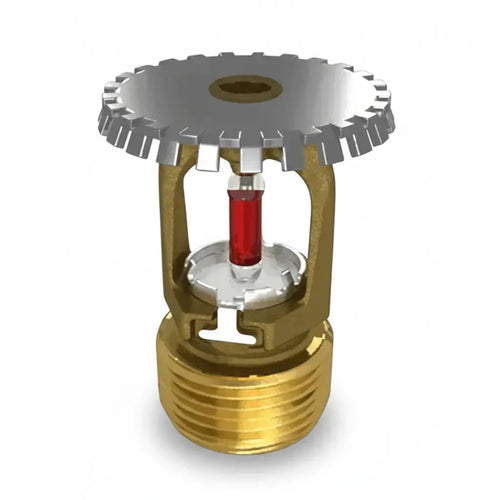


When to Replace Sprinkler Air Compressor: The 2026 Compliance Guide
Your dry pipe sprinkler system is only as reliable as the air compressor keeping the dry valve closed. If that unit fails, you aren't just looking at a repair bill; you're looking at a flooded building and a compromised fire defense. Facility managers often struggle to decide exactly when to replace sprinkler air compressor units while facing constant low-pressure alarms and the fear of an accidental dry valve trip. Knowing when to replace sprinkler air compressor hardware before a catastrophic failure occurs is the only way to maintain absolute certainty in your equipment.
This 2026 guide identifies the critical failure signs you cannot afford to ignore, from frequent cycling to the inability to meet the mandatory 30-minute fill rule. We provide the expert clarity you need to navigate the decision of when to replace sprinkler air compressor systems to eliminate false trips and maintain code compliance. You'll learn the benefits of modern oil-less technology and how to calculate the capacity required for your specific pipe volume. By the end of this article, you'll have a clear roadmap for upgrading your riser room to ensure long-term performance and peace of mind.
Key Takeaways
- Recognize critical failure signs like excessive vibration and short-cycling to determine exactly when to replace a sprinkler air compressor before a system failure occurs.
- Master the NFPA 13 30-minute fill rule to ensure your new unit has the capacity to pressurize your dry pipe system within mandatory code limits.
- Discover why modern oil-less compressors are the preferred choice for protecting internal components and maintaining the integrity of CPVC piping.
- Evaluate the functional advantages of riser-mount versus tank-mounted configurations to optimize space and stability in your mechanical room.
- Verify the essential UL Listing and FM approval standards required for new hardware to guarantee long-term compliance and system reliability.
Identifying Warning Signs: When to Replace Your Sprinkler Air Compressor
A dry-pipe Fire sprinkler system relies on a constant, steady supply of pressurized air to keep the dry valve closed. When that supply becomes erratic, your entire facility is at risk. Determining when to replace sprinkler air compressor units prevents emergency shutdowns and the nightmare of an accidental dry valve trip. Early detection is the only way to move from reactive repairs to proactive safety management. If you are unsure when to replace sprinkler air compressor hardware, look for these specific mechanical indicators that the pump is failing.
- Excessive Noise and Vibration: If your compressor sounds like a box of loose rocks, internal bearings or pistons are likely failing. This vibration isn't just a nuisance; it physically loosens fittings and electrical connections within the riser room, creating secondary points of failure.
- Short-Cycling: A unit that kicks on every few minutes despite a tight system is struggling. This often indicates a failing pressure switch or internal pressure loss within the pump itself.
- Oil Carryover: Lubricated compressors eventually lose the ability to keep oil within the crankcase. This aerosolized oil travels into the pipe network, where it causes rubber gaskets to swell and lose their seal, leading to system-wide leaks.
- Failure to Meet Fill Times: NFPA 13 mandates that a compressor must be capable of filling the entire system to its required pressure within 30 minutes. If your motor is too tired to meet this benchmark, it's legally non-compliant and must be replaced immediately.
Mechanical Red Flags and Audible Cues
Listen for a rhythmic "rattle" or metallic clanking during operation. These sounds indicate that the compressor pump is nearing a catastrophic mechanical failure, and recognizing these sounds is vital for knowing when to replace sprinkler air compressor models before they seize. Heat is another silent killer that facility managers often overlook. An inefficient motor generates excessive heat as it struggles to compress air, which accelerates the breakdown of internal wiring and insulation. This creates a high risk of motor burnout during a critical system reset. If the motor fails while the system is trying to recover pressure, you're left with a "system-down" emergency that requires immediate hardware intervention.
The Impact of Aging on Riser Room Reliability
An aging compressor doesn't fail in a vacuum. It places immense stress on other sprinkler system components online, such as air maintenance devices and sensitive dry valves. Frequent maintenance visits to patch an obsolete unit quickly exceed the cost of a modern replacement, draining your facility's budget without providing long-term security. You must recognize when to replace sprinkler air compressor equipment to save on these hidden labor costs. Older models are particularly susceptible to air-leak fatigue, a condition where aging compressor seals fail to maintain the necessary pressure differential required for system stability. Choosing to upgrade now ensures your fire protection infrastructure remains a dependable shield rather than a liability.
Oil-Less vs. Lubricated Units: Modern Technology Standards
Choosing between oil-less and lubricated technology is a critical decision once you determine when to replace a sprinkler air compressor. Modern facility managers are increasingly moving toward oil-less designs to eliminate the risk of oil carryover into the pipe network. This transition is driven by a need for higher air quality and lower maintenance burdens. While lubricated units were once the standard for longevity, advancements in piston coatings have made oil-less models the preferred choice for 2026 fire protection applications. Knowing when to replace a sprinkler air compressor is only half the battle; choosing the right technology ensures you won't repeat the process for another decade.
- Maintenance Profiles: Oil-less units eliminate the need for oil changes, crankcase monitoring, and oil separator replacements. This reduces the labor hours required for system upkeep and simplifies the training needed for facility staff.
- Air Quality: Lubricated compressors can discharge aerosolized oil that degrades rubber gaskets and specific piping materials. Using oil-less air is significantly safer for Viking CPVC fire sprinkler pipe, ensuring the chemical compatibility of your entire system.
- Decibel Ratings: Oil-less units are generally quieter, making them ideal for noise-sensitive environments like hospitals or office buildings where loud machinery can disrupt operations. Lubricated models are often louder and better suited for secluded mechanical rooms or warehouses.
- Lifespan Expectations: Most industrial compressors have a lifespan of 10 to 15 years depending on usage. Oil-less units thrive in intermittent duty cycles, whereas lubricated units are built for higher run times in demanding industrial climates.
Why Oil-Less is the 2026 Industry Standard
The move toward oil-less technology is about more than just convenience. It's about protecting the NFPA 13 standard for system integrity. By removing oil from the compression process, you eliminate the possibility of downstream contamination in dry pipe valves. These units also feature a smaller footprint and simplified electrical requirements, making them easier to install in cramped riser rooms. For a facility manager, the primary benefit is "set it and forget it" reliability. Reviewing the specifications of UL-listed air compressors for sprinkler systems can help you identify the right fit for your facility's environmental demands.
Evaluating Lubricated Units for Harsh Environments
Lubricated units still have a place in specific heavy-duty applications. When a system has a high duty cycle or operates in extreme heat, the cooling properties of oil are essential for preventing pump seizure. However, these systems require high-efficiency oil separators to prevent lubricant from entering the air lines. If you maintain a legacy lubricated system, your checklist must include quarterly oil level checks and annual separator inspections. Neglecting these tasks leads to the exact gasket degradation and valve failure that modern oil-less units are designed to prevent.
The 30-Minute Rule: Calculating Replacement Capacity
The decision of when to replace a sprinkler air compressor often comes down to a stopwatch. NFPA 13 mandates a strict performance benchmark: your compressor must be able to fill the entire dry pipe system to its required operating pressure within exactly 30 minutes. If your current unit takes 40 or 50 minutes to reach the pressure set point, it's no longer a compliant piece of life-safety equipment. This rule exists to ensure that a system can be quickly restored to service after a trip or maintenance event, minimizing the time a building remains unprotected.
Calculating the required capacity starts with determining the total system volume. You must sum the gallonage of every foot of pipe in the network. For example, standard 4-inch Schedule 40 pipe holds approximately 0.66 gallons per linear foot. If your total system volume exceeds 500 gallons, a standard small-scale compressor will likely fail the 30-minute test. You must match the Cubic Feet per Minute (CFM) rating of the new compressor to this calculated volume, typically looking for a CFM rating measured at 10 PSI to ensure it handles the initial fill demand efficiently.
Refrigerated systems and cold storage facilities require even more precision. Cold air is denser and more prone to pressure fluctuations, which often necessitates a larger compressor than a standard warehouse of the same size. These environments also face the risk of internal pipe icing, which can restrict airflow and increase the time needed to reach the target pressure. If your facility operates in sub-zero temperatures, sizing for a 25 percent buffer over the standard NFPA requirement is a professional best practice.
Sizing Methodology for Dry Pipe Systems
To ensure your new hardware meets code, follow a methodical sizing process. Start by identifying all pipe diameters and lengths from the original system blueprints. Use a standard volume table to convert these lengths into total gallons. Once you have the total gallonage, consult manufacturer CFM charts to find a pump that guarantees a 30-minute recovery time. According to the 2026 edition of NFPA 13, the air supply must be capable of restoring the entire system to its required pressure within a maximum of 30 minutes. Selecting a unit based on these verified numbers is the only way to avoid a "non-compliant" tag during your next annual inspection.
The Role of the Air Maintenance Device (AMD)
A high-capacity compressor is only effective if the Air Maintenance Device (AMD) can regulate the flow correctly. When you determine when to replace a sprinkler air compressor, you should almost always replace the AMD at the same time. These devices prevent "nuisance trips" by maintaining a precise pressure differential, but older regulators often suffer from clogged orifices or worn diaphragms. Sourcing compatible AMDs and other fire protection parts online ensures that your new compressor isn't throttled by failing secondary components. Proper calibration of the pressure switch on the new AMD will guarantee that the compressor only runs when absolutely necessary, extending the life of the motor.
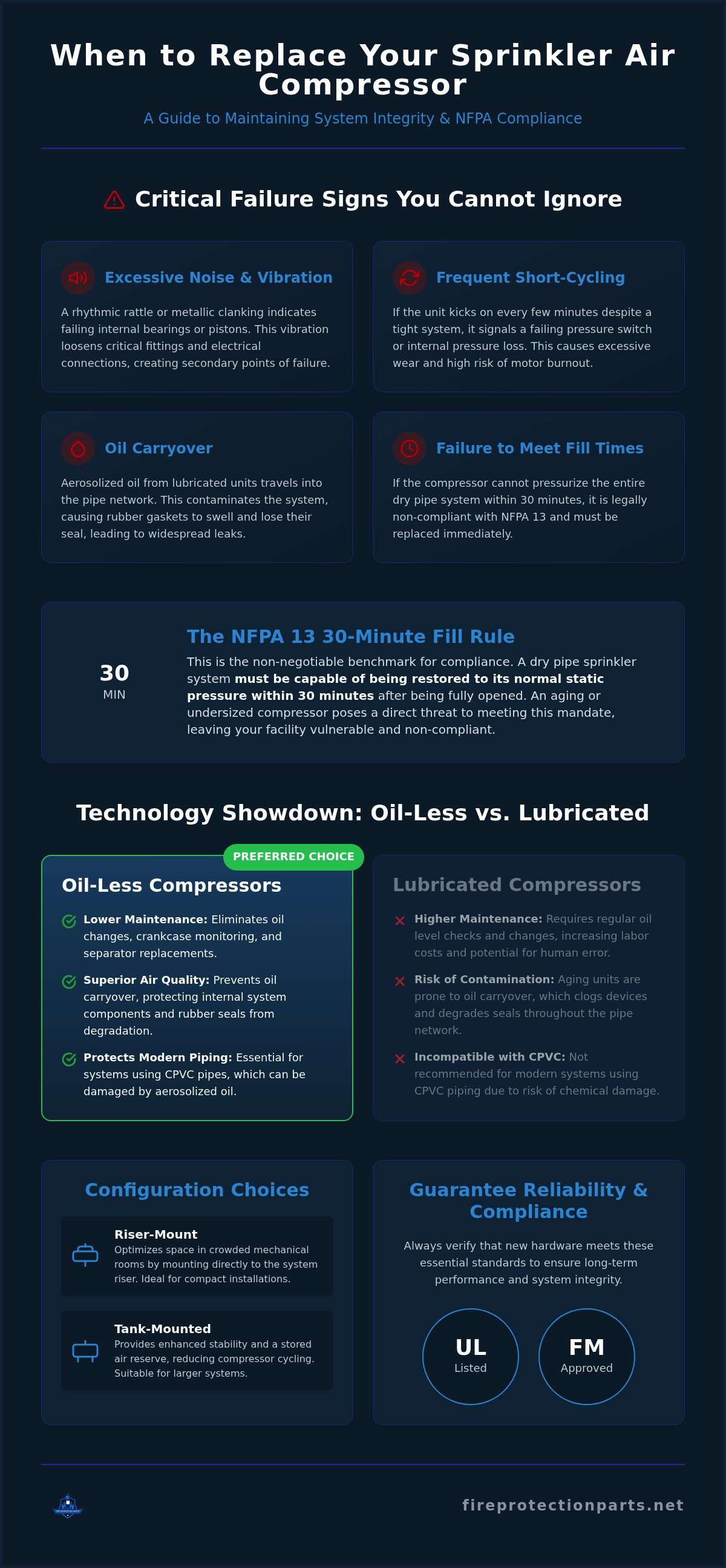
Configuration Choices: Riser-Mount vs. Tank-Mounted Systems
Determining when to replace a sprinkler air compressor involves more than just calculating CFM; it requires choosing a configuration that fits your facility's physical constraints. Riser rooms are notoriously cramped, and the wrong choice can lead to maintenance headaches or mechanical failure. You must balance the need for air storage with the available floor space while ensuring the installation remains code-compliant. Modern hardware offers two primary paths: compact riser-mount units or high-capacity tank-mounted systems.
Riser-mount units offer extreme space optimization by attaching directly to the system piping. They are typically lighter and designed for smaller dry systems where a large air reservoir is not necessary. However, mounting a vibrating pump directly to a pipe riser creates mechanical stress. You must use high-quality vibration isolation pads and ensure the riser clamps can handle the added weight without compromising the system's structural integrity. If you notice the riser shaking during compressor operation, it is a clear sign that the mounting or the unit itself needs immediate attention.
Riser-Mount Applications and Constraints
Riser-mount units are ideal for small residential or light commercial dry systems with limited square footage. When installing these units, you must adhere to strict requirements for seismic bracing for sprinkler systems to prevent hardware from becoming a projectile during a seismic event. Weight limits are critical. If the riser cannot support the unit, you risk pipe deformation or leaks at the joints. Always verify that your mounting hardware is rated for the specific compressor model to maintain a safe, professional installation.
Tank-Mounted Systems for High-Volume Needs
For multi-valve systems or large-volume networks, tank-mounted compressors are the superior choice. The air tank acts as a buffer, allowing the compressor to fill the reservoir and shut off rather than running constantly to maintain pressure. This prevents the short-cycling that often signals when to replace a sprinkler air compressor in older, tankless setups. Tank-mounted units are available in vertical or horizontal configurations to maximize floor space management in diverse room layouts.
Stability is the primary advantage here. By separating the pump from the riser, you eliminate the risk of mechanical stress on the fire protection pipe. However, these systems require auto-drains to prevent moisture accumulation within the tank, which can lead to internal corrosion and eventual tank failure. If your tank lacks an auto-drain, you must manually purge it weekly to protect the air quality of your system.
Electrical requirements also vary significantly between these configurations. While many riser-mount units operate on standard 115V single-phase power, larger tank-mounted systems often require 230V three-phase electrical service to handle the increased motor load. Ensure your facility's electrical panel can support the new hardware before procurement. You can find a full range of UL-listed air compressors for sprinkler systems to match your specific configuration needs.
Sourcing and Maintenance: Ensuring Decades of Protection
Determining when to replace a sprinkler air compressor is the first step toward system restoration, but the quality of your source determines the longevity of that fix. Fire protection hardware isn't a place for compromise or generic substitutions. Once you've identified that your current unit fails to meet the 30-minute fill rule or shows signs of mechanical fatigue, you must verify that your replacement is specifically UL Listed and FM Approved for fire protection service. These certifications aren't just labels; they're your guarantee that the motor and pump can handle the unique duty cycles required to keep a dry pipe system pressurized under high-stakes conditions.
The replacement process is often driven by a sense of urgency. A "system-down" scenario leaves your facility vulnerable and may require a continuous fire watch, which is both costly and labor-intensive. Accessing specialized technical support during the procurement phase ensures you don't just buy a pump, but the right pump for your specific riser configuration. Professional guidance helps you navigate electrical compatibility and mounting requirements, eliminating the risk of ordering a unit that won't fit your existing footprint or power supply.
Vetting Your Hardware Supplier
Generic "shop air" compressors found at big-box retailers are fundamentally different from fire-rated equipment. They often lack the precision pressure switches and internal coatings required for life-safety applications, leading to failed fire safety inspections and premature motor burnout. A specialized supplier understands the critical nature of these components. In an emergency, fast shipping is the difference between a compliant building and a liability. You must also ensure your supplier stocks essential maintenance items, such as replacement intake filters and pressure switches, to keep your new unit running for its full 10 to 15-year life expectancy.
Establishing a Preventative Maintenance Schedule
Protection doesn't end with the installation. To avoid wondering when to replace a sprinkler air compressor again in a few years, you must implement a strict maintenance routine. Weekly inspections should focus on audible cues like unusual rattling or excessive heat buildup. Monthly, you must test the start and stop pressure settings to ensure the unit activates exactly when the system pressure drops. In unheated areas, monitoring for moisture is vital. While oil-less units reduce maintenance, they still require functional air dryers to prevent internal pipe corrosion. A well-documented maintenance log is your best defense during annual NFPA 25 inspections.
Before you finalize your purchase, use this code-compliance checklist:
- Verify the unit meets the NFPA 13 30-minute fill requirement for your total system volume.
- Confirm the compressor is UL Listed for fire protection service.
- Match the electrical phase and voltage to your riser room's existing service.
- Ensure the configuration (riser-mount or tank-mount) aligns with your space and stability needs.
Ready to secure your facility? Browse our full selection of NFPA-compliant air compressors for dry sprinkler systems to find a reliable, code-compliant solution today.
Secure Your System with Code-Compliant Hardware
Maintaining a dry pipe sprinkler system requires vigilant equipment monitoring and a commitment to modern safety standards. You've learned that mechanical red flags like excessive vibration and short-cycling are clear indicators of a pump nearing its end of life. Adhering to the NFPA 13 30-minute fill rule isn't just a best practice; it's a legal mandate that ensures your system remains ready for immediate action. Transitioning to oil-less technology further protects your pipe network from hazardous oil carryover and reduces long-term maintenance burdens.
Determining when to replace sprinkler air compressor units is a vital step in maintaining facility safety and avoiding costly accidental trips. As an authorized retailer of industry-leading fire protection brands, we provide the expert technical support contractors and facility managers need to make informed choices. We offer a comprehensive inventory of UL Listed and FM Approved hardware to guarantee your system meets every regulatory requirement without compromise. Professional hardware is the only way to eliminate doubt and ensure your building remains protected.
Shop Professional Air Compressors for Sprinkler Systems today and ensure your building is protected by the best in the industry.
Frequently Asked Questions
Can I use a standard shop air compressor for my dry pipe sprinkler system?
No, you should never use a standard shop air compressor for a dry pipe sprinkler system. These units lack the UL Listing and FM Approval required for life-safety fire protection service. Shop compressors aren't designed for the specific duty cycles or pressure requirements of a dry valve. Using non-compliant hardware will result in a failed fire safety inspection and could compromise your system's reliability during an emergency. Fire Protection Parts only stocks code-compliant hardware.
What is the NFPA 13 30-minute fill rule?
The NFPA 13 30-minute fill rule requires that an air compressor restores the entire dry pipe system to its operating pressure within exactly 30 minutes. This ensures that the system is quickly back in service after maintenance or a trip. If your current unit takes longer than this to reach the target pressure, it is a clear sign of exactly when to replace a sprinkler air compressor to remain code-compliant and secure.
How do I know if I need an oil-less or lubricated compressor?
Oil-less compressors are the modern industry standard because they eliminate the risk of oil contaminating your pipe network. This is especially important if you use Viking CPVC piping, as oil can degrade certain materials. Lubricated models are generally reserved for harsh industrial environments with extremely high duty cycles. For most commercial facilities, oil-less technology provides the best balance of air quality and "set it and forget it" reliability for facility managers.
Do I need a new air maintenance device when I replace my compressor?
It is highly recommended to replace your air maintenance device (AMD) when installing a new compressor. Older AMDs often have clogged orifices or worn diaphragms that can lead to improper pressure regulation and nuisance trips. A new, compatible AMD ensures your compressor operates only when necessary, which extends the motor's lifespan. Proactively replacing these components together guarantees that your entire riser room setup functions as a cohesive, reliable, and professional unit.
What are the electrical requirements for a fire protection air compressor?
Electrical requirements vary based on the size and configuration of the unit. Small riser-mount compressors typically run on a standard 115V single-phase circuit. Larger tank-mounted systems often require 230V three-phase power to handle the increased motor load. Always verify your facility's existing electrical service before procurement. Matching the motor specs to your available power is essential for a safe installation that avoids tripped breakers, motor damage, or compromised system performance.
How often should a sprinkler system air compressor be inspected?
According to NFPA 25 standards, you should perform a visual inspection of your air compressor weekly to check for leaks or unusual vibrations. Monthly tests should verify that the unit starts and stops at the correct pressure settings. Annual inspections involve a more thorough review of the pump's performance and the integrity of the air maintenance device. Consistent documentation of these checks is vital for passing your official fire safety inspections and ensuring longevity.
Why is my air compressor short-cycling?
Short-cycling usually indicates a pressure leak in the pipe network or a failing pressure switch on the compressor itself. If the unit kicks on every few minutes without a known leak, the pump's internal seals might be worn out. This constant operation accelerates motor fatigue and is a primary indicator for when to replace a sprinkler air compressor. Addressing short-cycling early prevents the pump from burning out prematurely during a critical system reset or emergency.
What is the difference between riser-mount and tank-mounted compressors?
Riser-mount compressors attach directly to the system piping, making them ideal for tight mechanical rooms. They are compact and cost-effective for small systems. Tank-mounted units include a storage reservoir that acts as a buffer, reducing the frequency of motor starts. This configuration is better for multi-valve systems or large-volume networks where stability is a priority. Choosing the right configuration depends on your available floor space and the total gallonage of your dry pipe network.

