



Choosing Code Compliant Fire Protection Parts
A sprinkler changeout gets delayed, the inspector flags a substitution, and suddenly a simple parts order turns into a schedule problem. That is why sourcing code compliant fire protection parts is not just a purchasing task. It is a project control decision that affects approvals, installation time, long-term reliability, and liability.
For contractors, facilities teams, and commercial buyers, the issue is rarely whether compliance matters. The real question is how to make sure every valve, fitting, sprinkler, compressor, backflow preventer, and accessory actually matches the system design, listing requirements, and local code expectations. The answer is not to buy the cheapest part with a similar description. It is to verify the exact application, the required approvals, and the manufacturer specifications before the order is placed.
What code compliant fire protection parts really means
In fire protection, compliant does not mean generally suitable. It means the part is appropriate for the system type, accepted under the applicable standard, and installed in a way that aligns with the approved design and local authority requirements. A component can be brand-name, well-made, and still be the wrong choice for the job.
That distinction matters because compliance is layered. The product itself may need UL listing or FM approval. The system may need to meet NFPA standards. The installation may also be reviewed against local amendments, engineer specifications, insurance requirements, or owner standards. In practice, a part is only truly compliant when all of those pieces line up.
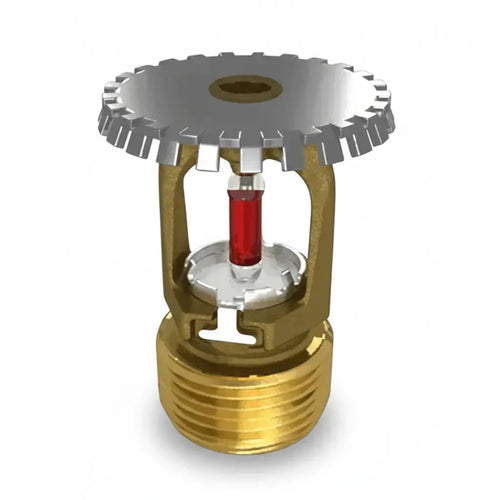
A dry pendent sprinkler is a good example. Length, temperature rating, finish, listing, and application all matter. A part that looks interchangeable on paper may not satisfy the listing for that exact ceiling assembly or ambient condition. The same goes for alarm trim, CPVC fittings, fire pump accessories, and replacement valves. Close is not the same as acceptable.
Where buyers get into trouble
Most compliance problems do not start with bad intent. They start with assumptions. Someone replaces by appearance instead of model number, treats a commodity item like a universal item, or orders against an old submittal without checking the current design set.
Substitutions are one of the biggest risk areas. There are times when an alternative manufacturer is acceptable, but only if the approvals, dimensions, performance characteristics, and project requirements match. Even then, a substitution may trigger review time, updated documentation, or AHJ questions. If the job is tight on schedule, that extra friction can cost more than the original savings.
Retrofit work creates another common issue. Older buildings often contain legacy equipment, partial upgrades, and field changes that are not perfectly documented. A replacement pressure switch, manifold component, or valve trim assembly may need more than a quick cross-reference. If the original installation includes discontinued parts or uncommon configurations, technical review becomes essential.
There is also the problem of low-quality substitutes. In life safety work, a lower-cost import with vague documentation is not a bargain. It is a risk. Missing approvals, inconsistent dimensions, questionable material quality, and limited traceability can all create installation problems now and service problems later.
How to evaluate code compliant fire protection parts before you buy
The safest approach is straightforward, but it takes discipline. Start with the exact application, not the catalog category. A sprinkler system air compressor for a dry system is not selected the same way as a general-purpose compressor. A backflow preventer for a fire line has different requirements than one used elsewhere in the plumbing system. Product type alone is never enough.
Next, confirm the listing and approval basis. Depending on the component, that may include UL, FM, or other recognized approvals tied to the intended fire protection use. Then verify the governing standard and design criteria. NFPA 13, NFPA 20, NFPA 24, and related standards shape different parts of the system, and local code enforcement may add another layer.
After that, review the manufacturer data carefully. Dimensions, pressure ratings, temperature ratings, end connections, orientation limits, material compatibility, and accessory requirements all matter. If a valve requires specific supervisory components or a sprinkler requires a specific escutcheon arrangement, those details are part of compliance, not optional extras.
Documentation should also match the job stage. New installation, replacement in kind, repair, and retrofit all carry different review expectations. On some projects, the exact approved manufacturer and model are locked in. On others, equals may be allowed, but only with supporting documentation. Knowing which situation you are in prevents expensive backtracking.
Why brand and source matter more than price alone
Experienced buyers know the lowest line-item cost can become the highest total cost. If a part arrives without the right approvals, if dimensions are off, or if field crews lose hours making an unsuitable component work, the savings disappear fast.
Trusted manufacturers reduce that risk because they provide consistent data, established approval pathways, and products built for fire protection duty. When you are buying from recognized brands such as Viking, Reliable, General Air Products, Potter, Zurn Wilkins, or Ames, you are not just paying for a name. You are buying into documented performance, clearer submittals, and less uncertainty in the field.
The distributor matters just as much. A specialized source can help identify whether a listed part is actually the right listed part for the application. That difference is especially valuable on hard-to-find replacement items, assemblies with multiple configuration options, and jobs where time is tight and returns are not practical.
Matching the part to the job site reality
On paper, selection can look simple. On site, conditions complicate everything. Ceiling type, freeze exposure, corrosion risk, equipment room layout, pressure demands, trim orientation, and connection standards all affect what will work and what will pass.
This is why experienced purchasers ask better questions before ordering. Is this for a new install or a replacement in kind? Has the system been modified since the original submittal? Is the spec written around a specific manufacturer? Will the inspector expect a direct match? Are there environmental factors, such as cold storage or corrosive atmospheres, that narrow the acceptable options?
A compliant part also needs to support serviceability. Choosing a component that technically fits but creates maintenance headaches is rarely a smart long-term move. Access for inspection, replacement intervals, spare availability, and compatibility with the rest of the system all deserve attention.
Code compliant fire protection parts for repairs and retrofits
Repairs and retrofits call for a more careful process than many buyers expect. In existing buildings, the fastest path is often an exact replacement from the original manufacturer. That avoids fit issues, approval questions, and installation surprises. When the exact item is obsolete or unavailable, the next step is not guesswork. It is technical comparison.
That comparison should include the original function, pressure and temperature limits, connection details, listing basis, and any associated trim or accessories. For system components tied to monitoring or alarm interfaces, electrical compatibility may also come into play. A replacement that solves one issue but creates two more is not progress.
This is where expert support has real value. A supplier focused on fire protection can help narrow options, identify correct assemblies, and support quote requests for specialized components that are not easy to source through broad industrial channels. Fire Protection Parts serves this need by concentrating on fire and life safety equipment rather than treating it like just another MRO category.
Speed matters, but accuracy matters first
Everyone wants fast shipping, especially when a failed component is holding up occupancy, repair signoff, or system restoration. But urgency should not override verification. Overnight delivery of the wrong part is still a delay.
The better approach is to move quickly on the front end with complete information. Provide the manufacturer, model number, photos if needed, system type, pressure rating, size, and any project specification language available. The more precise the request, the more likely you are to receive a part that installs cleanly and supports compliance without extra back-and-forth.
When buyers treat sourcing as part of risk management, not just procurement, results improve. Fewer substitutions get rejected. Fewer crews get stuck in the field. Fewer projects lose time to preventable compliance questions. That is the practical value of buying code compliant fire protection parts from a source that understands the application.
The right part does more than fill a line on a purchase order. It protects the approval path, supports system reliability, and keeps the job moving with fewer surprises. In fire protection, that kind of certainty is worth pursuing before the order ever ships.

