



Choosing UL Listed Sprinkler Accessories
A sprinkler system can be compromised by a small component that was specified incorrectly, substituted without review, or installed outside the conditions of its listing. That is why UL listed sprinkler accessories deserve the same purchasing discipline as sprinklers, valves, and fire pumps. For contractors and facilities teams, the objective is not simply to find a part that fits. It is to source an accessory that supports the listed system arrangement, the applicable code requirements, and dependable long-term service.
Why UL Listed Sprinkler Accessories Matter
UL listing indicates that a product has been evaluated against defined safety and performance requirements for its intended use. In fire protection work, that intended use matters as much as the listing mark itself. A listed component may be suitable only for certain pipe materials, pressure ranges, temperature conditions, installation orientations, or system types.
Accessories can look secondary on a material takeoff, but they often perform critical jobs. They may protect a sprinkler during construction, provide a connection point for testing or drainage, support a supervisory or alarm function, maintain the integrity of a piping transition, or help ensure equipment operates as designed. A low-cost substitute can create inspection issues, delay acceptance testing, or require rework after the ceiling is closed.
For commercial and industrial projects, documentation is often as valuable as immediate availability. The contractor, engineer, authority having jurisdiction, insurer, or owner may need to verify the exact model, listing category, installation instructions, and ratings. Choosing recognized products with clear manufacturer documentation keeps that process moving.
A Listing Is Not a Blanket Approval
A common purchasing mistake is treating “UL listed” as a universal answer. It is not. The listing applies to a defined product and set of conditions, not every possible installation.
For example, a listed sprinkler guard is not automatically appropriate for every sprinkler model or occupancy. A listed valve supervisory switch still must match the valve type and be installed correctly to report the intended condition. A listed CPVC fitting must be used within the pipe manufacturer’s approved system and chemical compatibility guidance. A component can be listed and still be wrong for the job.
The same principle applies when a project specification calls for both UL and FM approvals. UL listing and FM approval are separate evaluations. Some project documents, insurers, or owner standards require one, the other, or both. Do not assume that one designation satisfies a requirement written for the other.
Before ordering, compare the product’s manufacturer data with the drawings, specifications, approved submittals, and local requirements. When there is a conflict, the project documents and the authority having jurisdiction should guide the decision.
What to Verify Before You Buy
The best accessory selection starts with the system it will serve. Identify whether the work involves a wet, dry, preaction, deluge, residential, or special-hazard application. Then verify the accessory against the actual equipment and environment, rather than selecting by name alone.
Match the accessory to the connected equipment
Compatibility is the first checkpoint. Confirm the manufacturer, model number, thread type, connection size, nominal pipe size, and material requirements of the item being connected. A wrench, escutcheon, guard, test fitting, switch, coupling, or adaptor may have a very specific approved application.
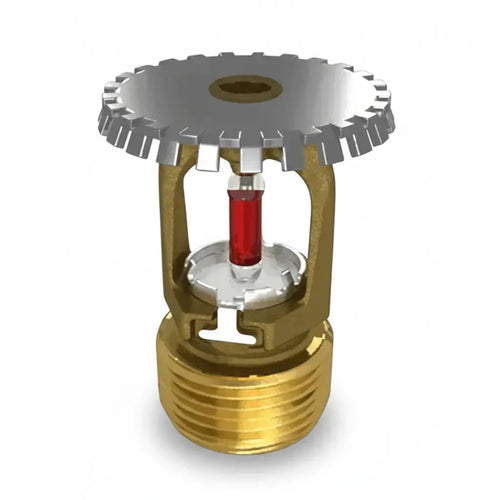
This is particularly important for sprinkler-specific accessories. Sprinkler wrenches should match the sprinkler frame or wrench boss identified by the manufacturer. Guards and shields must not interfere with sprinkler discharge patterns. Escutcheons should suit the sprinkler style and ceiling condition. Using a near match because it is physically installable can damage the sprinkler or affect its operation.
Confirm ratings and environmental limits
Review pressure rating, temperature rating, corrosion resistance, and ambient conditions. Mechanical rooms, freezers, parking structures, food processing areas, coastal locations, and chemical environments can place very different demands on the same accessory.
For exterior or corrosive locations, material selection may be more important than initial price. Stainless steel, corrosion-resistant coatings, or manufacturer-approved protective options can reduce premature replacement and avoid a maintenance problem that recurs every inspection cycle. For dry systems, verify that accessories associated with air maintenance, drainage, and low-point management are appropriate for the system design and operating conditions.
Check pipe material and joining method
Accessories used with steel, CPVC, copper, or other piping systems must be evaluated as part of that system. CPVC deserves particular attention because compatible fittings, primers, cements, hangers, and exposure conditions are governed by the pipe system manufacturer’s instructions. Mixing products outside the approved system can jeopardize compliance and manufacturer support.
Do not overlook thread sealants, lubricants, and protective coatings. These products may seem incidental, but an unapproved material can affect plastic piping, gasketed joints, or other components. Follow the manufacturer’s installation literature instead of relying on a material that has worked on a different system.
Preserve traceability
Keep product data, listing information, model numbers, and lot or date information where applicable. This is especially useful for phased projects, repairs to existing systems, and work that will be reviewed by multiple parties. Clear traceability makes it easier to answer a field question without removing installed components or searching through incomplete packing records.
Common Accessory Categories That Need Careful Selection
The term “accessories” covers a broad range of products, and the level of review should reflect the component’s function. Four categories regularly deserve closer attention:
- Sprinkler installation and protection accessories, including listed wrenches, guards, shields, escutcheons, and protective caps used during construction.
- Inspection, test, and drain components, such as test connections, inspector’s test assemblies, sight glasses, drain valves, and related trim.
- Supervisory and signaling accessories, including tamper switches, pressure switches, waterflow-related trim, and compatible electrical connection components.
- Pipe and system interface components, including listed fittings, couplings, adaptors, transition pieces, and accessories specified for the piping material and joining method.
Avoiding Substitutions That Create Rework
Substitutions are sometimes necessary when a specified item is unavailable, discontinued, or outside the project budget. They should be managed as an engineering and documentation decision, not as a purchasing shortcut.
Start by comparing the proposed substitute against the original item’s listing, approval status, dimensions, material, pressure and temperature ratings, and installation method. Then determine whether the substitute changes hydraulic performance, sprinkler clearance, drainage arrangement, electrical supervision, or the manufacturer’s system requirements. A product that appears equivalent in a catalog may introduce a field conflict that is visible only after installation.
For repair work, the safest choice is often an exact replacement. Older systems can include legacy sprinkler models, specialty valves, or manufacturer-specific trim. If the original item is no longer available, collect photographs, markings, dimensions, and system information before ordering. A knowledgeable supplier can help narrow the options, but the contractor remains responsible for confirming suitability with the project requirements and authority having jurisdiction.
Build a Better Procurement Process
Fast sourcing matters, especially when a failed accessory is holding up an inspection or a shutdown window. Speed should not mean skipping verification. The most effective approach is to send complete information with the request: manufacturer and part number when known, photos of markings, connection sizes, system type, required listings or approvals, quantity, and needed delivery date.
For planned projects, purchase accessories from the approved submittal package whenever possible. Group related components by system and location so field crews receive parts that belong together. This reduces the chance that a similar-looking fitting, guard, or switch is installed in the wrong area.
For facilities teams, maintaining a small, documented stock of frequently replaced approved accessories can reduce downtime. The right stock level depends on the site, its impairment procedures, and the availability of local service support. Focus on parts with a known maintenance history, not generic items that may never match the installed equipment.
Fire Protection Parts supports contractors and commercial buyers with recognized fire protection brands, specialized component sourcing, and custom quote assistance when the application calls for a closer review. For any order, provide the most complete product and system details available so the correct item can be identified before it reaches the jobsite.
The Right Part Supports the Whole System
UL listed sprinkler accessories are not simply line items to check off at the end of a takeoff. They are part of the system’s tested, inspectable, maintainable condition. Select them with the same attention given to the major equipment: verify the intended use, confirm compatibility, retain the documentation, and avoid cheap substitutes that shift risk to the field.
When the accessory is correctly specified before the order is released, crews spend less time solving fitment problems and more time delivering work that is ready for inspection and built to protect lives and assets.

