

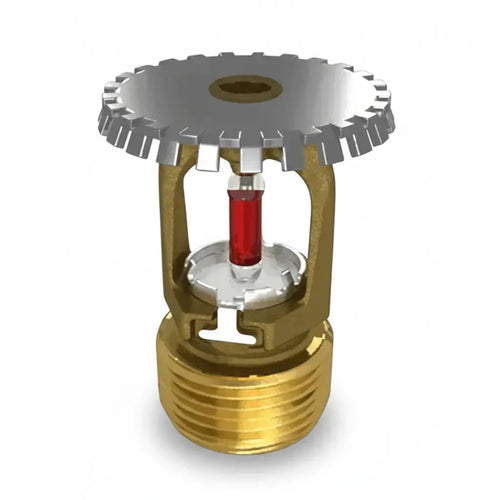


Choosing Viking Sprinkler System Parts
A sprinkler system is only as dependable as the parts installed in it, and that is exactly why buyers are careful about viking sprinkler system parts. On a new install, a tenant improvement, or a repair after inspection findings, the goal is the same - get listed components that match the system design, fit the application, and keep the job moving without introducing compliance problems.
For contractors and facility teams, the challenge is rarely just finding a part number. It is confirming that the replacement or specified component belongs in that assembly, carries the right approvals, and will perform as expected under field conditions. With Viking components, that often means paying attention to model families, temperature ratings, finishes, trim configurations, and system type before anything gets ordered.
What falls under viking sprinkler system parts
When buyers talk about viking sprinkler system parts, they are not referring to one narrow category. The term can include sprinklers, valves, trim kits, waterflow devices, air maintenance components, specialty fittings, replacement escutcheons, gauges, and other system accessories tied to wet, dry, preaction, or deluge applications.
In practice, the most common requests tend to fall into two groups. The first is planned purchasing for installs and retrofits, where the part is chosen from submittals, hydraulic calculations, or engineer specifications. The second is replacement purchasing, where the buyer needs a matching or approved equivalent component to restore a system after damage, corrosion, modification, or failed inspection.
That distinction matters because the buying process changes. On a planned project, you usually have more time to confirm listings and lead times. On a replacement job, speed matters more, but speed cannot come at the expense of compatibility.
Why matching the exact Viking part matters
In fire protection, close is not good enough. A sprinkler with the wrong temperature rating, thread type, K-factor, orientation, or finish can create immediate problems in the field. The same goes for valve trim, pressure devices, and specialty system components that are designed to work as part of a listed assembly.
This is where experienced buyers separate themselves from general purchasing. They know that a part may look interchangeable on paper and still be wrong for the job. Dry and preaction systems are a good example. Certain components are selected not just for dimensional fit, but for how they interact with air supply, releasing conditions, supervisory devices, and environmental exposure.
Using trusted brand-name components helps reduce that risk, but it does not remove the need to verify the details. The safest path is always to match the manufacturer, series, and application requirements first, then confirm the listing and configuration.
The main categories buyers should verify first
If you are sourcing Viking parts for a system, start with the component category and work outward from there. Sprinklers are the most obvious example. Upright, pendent, sidewall, concealed, dry, and special application models all carry their own selection criteria. Beyond orientation, you may need to verify K-factor, response type, temperature classification, finish, thread size, and whether the sprinkler is standard spray, extended coverage, storage-specific, or residential.
Valves and trim require the same discipline. A trim package that belongs to one valve assembly may not fit another revision or size, even within the same brand family. Pressure switches, retard chambers, gauges, and supervisory components also need to line up with system design and local code expectations.
For dry and preaction systems, buyers should pay even closer attention. Air compressors, air maintenance devices, release accessories, and associated trim are less forgiving when substituted incorrectly. A small mismatch can create nuisance trips, delayed resets, or service complications that cost more than the original part ever did.
Where buyers get into trouble with replacement parts
The most common issue is assuming a visual match is enough. A second issue is relying on an old field description instead of a manufacturer model number. “Brass pendent head” or “alarm check trim” may help narrow the search, but those descriptions are not specific enough to protect the order.
Older buildings add another layer of difficulty. Over time, systems get modified, stock gets mixed, and original documentation disappears. What is installed today may not perfectly reflect what was originally specified. That is why replacement buyers should verify the actual installed model, thread, finish, and rating whenever possible rather than ordering from memory.
Lead time assumptions also create delays. Some Viking items are standard stocking products, while others are more specialized and may require quote-based sourcing or manufacturer availability checks. On shutdown-sensitive jobs, that difference matters. If downtime carries operational risk, it is worth confirming availability before the repair window is scheduled.
How to source viking sprinkler system parts with fewer delays
The fastest orders usually come from buyers who provide complete information upfront. A manufacturer part number is best. If that is not available, provide the product category, system type, size, finish, temperature rating, orientation, pressure requirements, and any relevant nameplate or tag information.
Photos can help, especially for trim assemblies, old valves, or parts that have been painted, corroded, or field-modified. For sprinklers, include deflector style, frame shape, markings, thread size, and whether the unit is standard, recessed, concealed, or dry. For valve-related parts, include valve type, size, trim arrangement, and the application it serves.
This is also where a specialized supplier adds value. A general industrial source may carry some fire protection products, but that does not mean they can quickly sort through listing details, application fit, and hard-to-find manufacturer-specific components. Technical support matters when the part is tied directly to code compliance and system performance.
New install versus retrofit decisions
On a new install, selecting Viking components is usually straightforward because the design team has already defined the system criteria. The real focus becomes product availability, submittal accuracy, and staying aligned with approved plans. In that setting, consistency across the package can simplify procurement and reduce field confusion.
Retrofit work is less predictable. The existing infrastructure may limit what can be replaced directly, what needs adaptation, and what should be upgraded instead of patched. There are times when replacing one failed part is practical, and times when replacing the larger assembly makes more sense from a labor, reliability, and inspection standpoint.
That is an it depends decision. If the surrounding components are still in good condition and the exact replacement is available, a targeted repair may be the efficient move. If corrosion, age, or repeated service issues are present, a broader replacement can save labor and reduce call-backs later.
Compliance, listings, and documentation
Experienced fire protection buyers already know this, but it is worth stating plainly: the right part is not simply the one that fits. It also needs to align with the applicable listing, system design, and authority requirements. UL and FM approvals, NFPA alignment, and manufacturer instructions all play a role in part selection.
That is especially true for specialty sprinklers, dry systems, and valve trim. A substitute that seems functionally similar may not preserve the listed assembly or may require design review before use. On inspected properties, that can turn a quick fix into a rework issue.
Documentation matters as much as the component itself. Keeping model information, cut sheets, and order records organized makes future maintenance easier and reduces confusion when another contractor or facility team member has to service the system later.
What a dependable supplier should help you do
A good supplier should do more than take an order. They should help confirm what you are buying, flag potential mismatches, and set clear expectations around availability. That is particularly important when you are sourcing specialized fire protection products instead of commodity hardware.
For many buyers, the real value is time. If a supplier can help identify the correct Viking component, support quote-driven items, and ship from a catalog built around life safety products, that shortens the path from problem to resolution. Fire Protection Parts serves that kind of buyer every day - contractors, facility teams, and purchasing departments that need dependable products without guesswork.
When the stakes are life safety, the best purchasing decision is usually the simplest one: match the part correctly, verify the listing, and buy from a source that understands what happens if the order is wrong.

