



Home Sprinkler System Cost: What Homeowners Need to Know Before Installing
Why Every Home Needs a Fire Sprinkler System
As a homeowner or a tenant, ensuring the safety of your family and property is paramount. Fire can spread in minutes, destroying everything you have worked for. One of the most effective ways to protect your home from fire damage is by installing a residential fire sprinkler system.
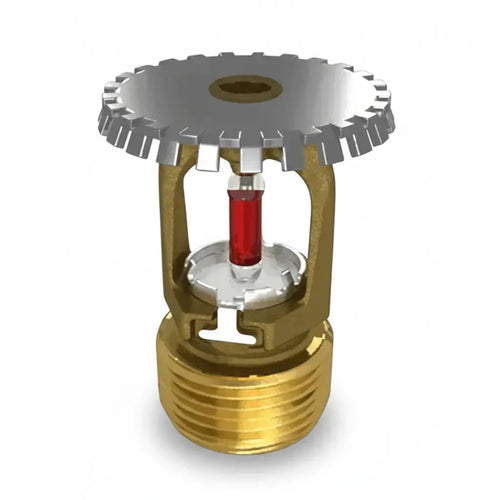
Modern home fire sprinklers are designed to respond quickly, containing flames before they escalate. They are the silent sentinels that stand guard, ready to suppress a blaze before the fire department even leaves the station. However, for many homeowners and builders, the hesitation often comes down to two questions: how much does a home sprinkler system cost, and what factors influence the price?
This blog breaks down the home sprinkler system cost, analyzes the factors that drive prices up or down, and explains why this investment is one of the smartest financial decisions you can make for your property.
Understanding Home Sprinkler System Costs
When considering a home sprinkler system cost, it is essential to look beyond the initial price tag. The average residential fire sprinkler cost ranges depending on factors such as the size of the home, water pressure availability, the number and type of sprinkler heads, and system design tailored to the home layout.
Additionally, ongoing maintenance, periodic inspections, and occasional repairs contribute to the total cost of ownership over time.
Generally, for newly built residential buildings, the average cost of residential fire sprinklers typically hovers around $1.35 to $3.00 per square foot. However, retrofitting a sprinkler system in an older home is more complex, as workers must navigate behind existing drywall and work around current plumbing and wiring. The sprinkler installation cost for existing homes can range significantly higher, often between $6.00 and $8.00 per square foot.
Main Cost Factors Explained
Why does one home quote differ from another? Several variables influence the final price tag of sprinkler system installation cost.
They include the following:
-
Cost by Sprinkler System Type
The most common and cost-effective option for homes is a wet pipe automatic sprinkler system, where water is constantly present in the pipes, ready to flow. However, if you live in an area with freezing temperatures and need sprinklers in an unheated attic or garage, you may need a dry pipe or pre-action system. These systems are more complex and, therefore, more expensive, significantly impacting the sprinkler system cost.
-
Number and Types of Sprinkler Heads
More sprinkler heads and zones increase the system’s coverage but also raise material and labor costs. The cost of sprinkler heads varies based on sprinkler head type, flow rate, and coverage area. The exact number and type required depend on the home size, ceiling heights, and specific fire code requirements.
-
Labor and Sprinkler Installation Costs
Professional sprinkler system installation by certified technicians ensures system reliability and compliance with fire safety standards. Labor accounts for a large portion of the overall sprinkler installation costs, varying by region and installation complexity.
-
Ongoing Maintenance and Inspection Fees
Regular testing and upkeep are vital for fire sprinkler systems to function correctly. Homeowners and tenants should budget for inspection costs, any necessary repairs, and potential upgrades over the system’s lifespan to maintain optimal safety and performance.
Highlight: Affordable, Reliable Options on FireProtectionParts.net
One of the best ways to manage lawn sprinkler system cost without sacrificing safety is by choosing high-efficiency, UL-listed fire sprinkler parts. Fire Protection Parts offers a range of UL-listed sprinklers designed for residential use, combining affordability with durability and reliability.
Here are three top picks of fire sprinklers for residential buildings:
-
VK470 K3.0 Residential Sprinkler
The VK470 K3.0 Residential Sprinkler model is designed for low water demand. Because it operates effectively with lower flow rates, it allows for smaller pipe sizing throughout the system. Smaller pipes mean lower material costs and easier installation for the contractor.
Best for: Smaller homes where maximizing water efficiency is a priority.
-
VK472 K5.8 Residential Pendent Sprinkler
The VK472 K5.8 Residential Pendent Sprinkler model is a staple in modern residential fire protection. It offers a larger flow rate than the K3.0, providing robust coverage for standard-sized rooms. It is a "pendent" style, meaning it hangs down from the ceiling, but its sleek profile blends well with modern interiors.
Best for: Standard residential layouts requiring reliable, broad coverage.
-
VK2022 K8.0 Standard Response Sprinkler
With a K-factor of 8.0, this VK2022 K8.0 Standard Response Sprinkler delivers a high volume of water. While often used in specific high-challenge areas, it ensures maximum suppression capability. It is a standard response sprinkler, making it a durable choice for areas where robust protection is needed.
Best for: Larger homes or areas with higher fire loads.
|
Model |
Coverage Area |
Flow Rate |
Temperature Rating |
|
VK470 K3.0 |
1,400 sqft (Compact) |
3.0 GPM |
175°F |
|
VK472 K5.8 |
1,600 sqft (Standard) |
5.8 GPM |
155°F |
|
VK2022 K8.0 |
2,000 sqft (Extended) |
8.0 GPM |
135°F |
Installation & Maintenance Tips for Homeowners
Choosing the right sprinkler system begins with assessing your home’s layout, size, and water supply. Below are important tips to ensure your home sprinklers are properly installed and maintained:
-
Hire Certified Pros For Installation and Maintenance
Never attempt to install a fire sprinkler system yourself. It requires hydraulic calculations that only a professional should handle. After installation, schedule regular professional inspections to maintain optimal sprinkler system performance, compliance, and safety certification.
-
Respect the Envelope
When planning your layout, ensure furniture or tall shelving does not obstruct the spray pattern of the sprinkler heads, which can lead to ineffective fire suppression.
-
Regular DIY Inspections
While professionals should conduct annual testing, you can perform monthly visual checks. Ensure the heads are not painted over (a common mistake during renovations) and are free of dust build-up to maintain proper sprinkler heads cost effectiveness and functionality.
How much does it cost to install a sprinkler system yourself?
Installing a residential sprinkler system yourself is generally not recommended due to the complexity of hydraulic calculations and the need for compliance with fire safety codes. DIY installation risks system failure and may void warranties, while professional sprinkler system installation costs typically include labor fees that ensure safety and reliability.
What is the 3 times rule for sprinklers?
The "3 times rule" is a guideline that suggests the spacing between sprinkler heads should not exceed three times the ceiling height. This rule helps ensure proper water distribution and coverage during activation, influencing both the number of sprinkler heads and overall sprinkler system cost.
Cost vs. Value: Long-Term Savings & Insurance Benefits
While the upfront residential fire sprinkler cost may seem significant, the long-term value is undeniable.
Sprinkler systems dramatically reduce fire damage, often containing flames before firefighters arrive. The average fire loss in a home with sprinklers is significantly lower than in a home without them. Sprinklers usually extinguish the fire with a fraction of the water a fire hose would use, sparing your home from both extensive fire damage and massive water damage.
Many insurance providers offer premium discounts for homes equipped with sprinklers, further offsetting installation expenses. This is because insurance providers view home fire sprinklers as a massive risk reducer. Homeowners can often qualify for discounts on their fire insurance premiums, ranging from 5% to 15%. Over 10 or 20 years, these savings can offset a large chunk of the installation cost.
The return on investment (ROI) comes not only in financial savings but also in the priceless protection of lives and property. As safety awareness grows, a sprinklered home stands out in the real estate market. It is a selling point that signals a high-quality build to prospective buyers.
Are residential sprinkler systems worth it?
Residential sprinkler systems are worth the investment due to their proven effectiveness in reducing fire damage, lowering insurance premiums, and protecting lives. They add significant long-term value and peace of mind for homeowners.
How much will my water bill go up with an irrigation system?
While automatic sprinkler systems can increase your water usage, fire sprinkler systems typically use water only in emergency situations, so they do not significantly affect your water bill. For irrigation-specific sprinklers, water costs vary by usage frequency and local water rates.
Protect What Matters Most
The cost of a home sprinkler system is a small price to pay for peace of mind. While initial installation costs might seem significant, home sprinkler systems offer excellent long-term value. Sprinklers drastically reduce fire damage, potentially saving thousands in repair costs.
It is an investment in the safety of your family and the security of your greatest financial asset. Whether you are building new or upgrading an existing property, modern solutions make fire protection assets such as fire sprinklers more accessible than ever.
Browse our selection of residential fire sprinkler systems at FireProtectionParts.net to find UL-listed solutions that fit your home and your budget.

