



The Comprehensive Guide to Fire Sprinkler Head Parts and Components
A fire sprinkler isn't a single piece of hardware. It is a high-precision life-safety machine where the failure of one small component can lead to catastrophic system collapse. When you're tasked with maintaining a facility, you don't have room for guesswork. Identifying specific sprinkler head parts can be frustrating, especially when you're trying to distinguish between a fire-rated assembly and an irrigation component or searching for an elusive Sprinkler Identification Number (SIN) on a pre-2001 model.
You already know that keeping your building compliant requires more than just a passing glance at the ceiling. This guide will clarify the anatomy of your system so you can source the right components with absolute confidence. You'll master the identification of every element, from the deflector to the heat-sensitive bulb, ensuring your spare head cabinet meets the strict 2026 NFPA 25 requirements. We will cover which parts are user-replaceable, like listed escutcheons, and when you must call in a professional to ensure your dry pendent sprinklers or deluge systems remain fully operational. By the end, you'll have the technical knowledge to eliminate doubt and guarantee your system is ready to perform under pressure.
Key Takeaways
- Identify the structural role of the frame and deflector to ensure unobstructed water distribution and optimal spray patterns.
- Distinguish between glass bulbs and fusible links to correctly verify the activation temperature and response time of your thermal elements.
- Learn how to locate and decode the Sprinkler Identification Number (SIN) to ensure you source exact-match sprinkler head parts for repairs.
- Maintain facility compliance by stocking a spare head cabinet with the manufacturer-specified wrenches required for every sprinkler type in your building.
- Guarantee system reliability by selecting only UL-listed and FM-approved components that meet rigorous fire protection standards.
The Anatomy of a Fire Sprinkler Head: Core Components
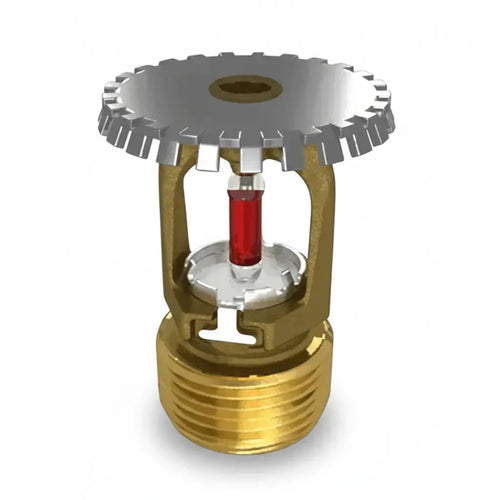
A Fire sprinkler head is a precision heat-sensitive discharge device. It stays dormant for years but must activate instantly during a thermal event. Understanding individual sprinkler head parts allows facility managers to verify system readiness. The assembly is a collection of components designed to withstand constant pressure while remaining sensitive to sudden temperature shifts. Every part, from the frame to the seal, plays a vital role in life safety.
The Sprinkler Frame and Orifice
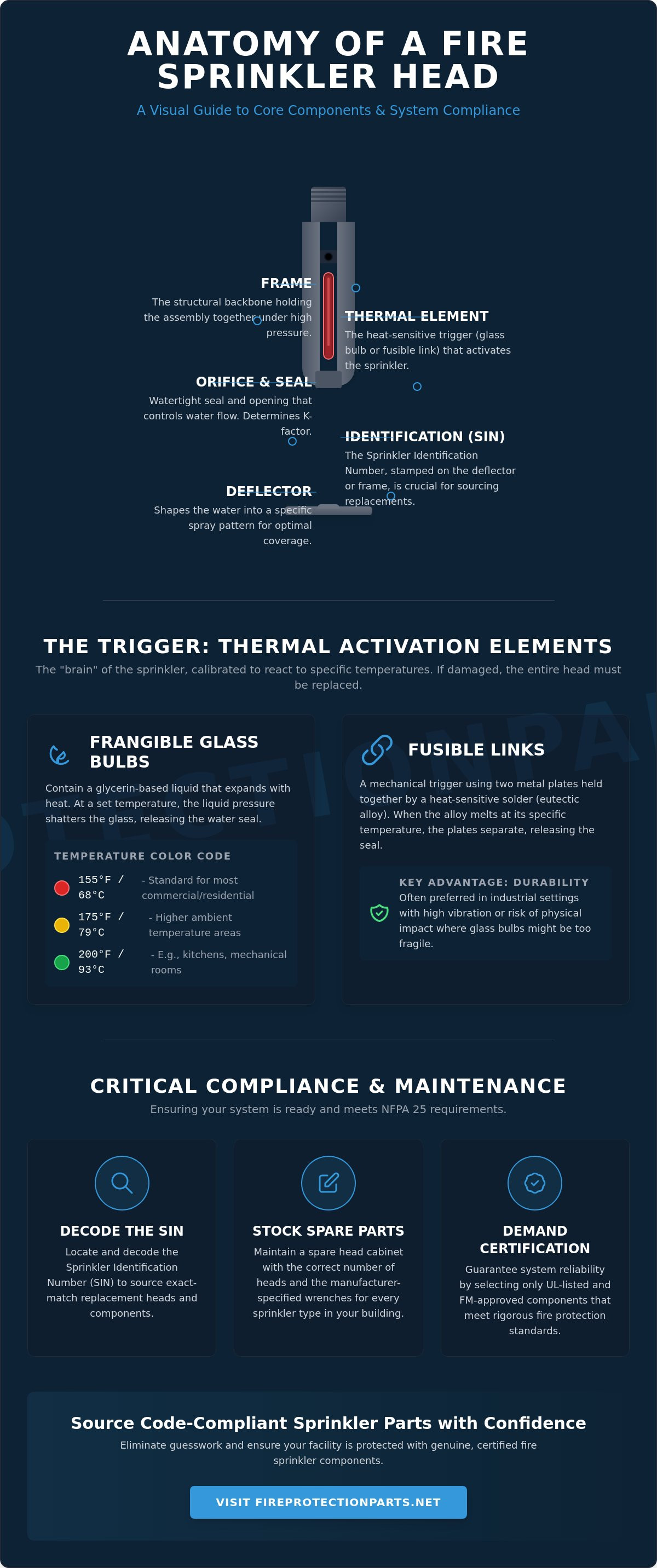
The frame is the structural backbone of the head. It holds the entire assembly together under the high pressure of the fire protection system. Inside this frame is the orifice, which is the opening that controls water discharge. The size of this opening determines the K-factor, a value that calculates the flow rate. Manufacturers typically use brass, chrome, or stainless steel for these components. These materials provide the necessary strength and corrosion resistance to ensure the head doesn't degrade before it's needed. Stainless steel is particularly important in industrial environments where chemical exposure is a risk. Choosing the right material ensures the frame remains stable for its entire service life.
The Deflector Plate
Deflector plates determine how water is distributed once it leaves the orifice. When the water stream hits the plate, the deflector breaks it into a specific pattern to cover a predetermined area. Engineers design these plates for specific installation types. Pendent heads hang from the ceiling, while upright heads sit on top of the pipe. Sidewall versions are designed for rooms where ceiling piping isn't feasible. If you are using specialized equipment like dry pendent sprinklers, the deflector is tuned to ensure the spray reaches the floor even from a recessed position. Any damage to the deflector ruins the spray pattern and compromises safety.
Sealing assemblies sit between the orifice and the thermal element. They consist of a plug and a spring-loaded gasket that keeps the system watertight. This seal must remain perfectly intact to prevent accidental discharge or slow leaks. When the thermal element triggers, the internal pressure pushes the sealing assembly out of the way. Water then flows freely. This sequence relies on the perfect alignment of all sprinkler head parts. If one component is painted over or corroded, the entire system might fail when lives are on the line. Regular visual checks help confirm that the seal hasn't been compromised by debris or environmental wear.
Thermal Activation Elements: Bulbs vs. Fusible Links
The thermal element acts as the trigger for the entire fire protection system. It's often called the "brain" of the assembly because it makes the critical decision to activate based on ambient temperature changes. Unlike other sprinkler head parts, these elements are factory-calibrated and cannot be field-repaired or swapped. If a thermal element is damaged, painted, or compromised, you must replace the entire sprinkler head to maintain safety and compliance.
Frangible Glass Bulbs
These bulbs contain a specially formulated liquid that expands when exposed to heat. As the room temperature reaches a specific threshold, the pressure inside the bulb increases until the glass shatters. This sudden release allows the sealing assembly to drop, initiating the flow of water. This breakdown of sprinkler head components shows how bulb thickness and liquid volume are engineered with extreme precision to ensure reliable activation. Industry standards use color-coding to identify temperature ratings at a glance. A red bulb indicates a 155°F rating, which is the standard for most commercial and residential wet-pipe systems. Other colors, like yellow (175°F) or green (200°F), are used for environments with higher ambient temperatures, such as mechanical rooms or kitchens.
Solder and Fusible Links
Fusible links utilize a mechanical approach to activation. They consist of two metal plates held together by a specialized eutectic alloy. This alloy is designed to melt at a very specific temperature. Once the heat reaches the melting point, the solder liquefies and the plates separate, releasing the internal water seal. These links are often preferred in industrial environments where high vibration or physical impact might occur, as they can be more durable than glass bulbs. You can verify the temperature rating by checking the stamped markings directly on the metal link. Because these components are under constant tension, any sign of corrosion or "cold flow" on the link is a signal for immediate replacement.
Because these sprinkler head parts are precision-engineered for one-time use, their structural integrity cannot be restored after activation or damage. Safety codes, including the 2026 NFPA 25 standards, require a full head replacement to ensure the assembly remains factory-calibrated and listed. If you're building out your spare head cabinet to meet site requirements, you can find the right replacement fire protection components to keep your facility protected and compliant. Reliability depends on using parts that haven't been tampered with or modified in the field.
Identification and Sourcing: Using SIN and Finishes
Procuring the correct sprinkler head parts requires more than a visual match. Accuracy in identification is the difference between a compliant system and a liability. The industry relies on the Sprinkler Identification Number (SIN) to eliminate ambiguity during the sourcing process. This alphanumeric code ensures that every replacement component matches the original design specifications for flow, pressure, and thermal response. Without this verification, you risk installing a head that won't activate when needed or one that floods a room prematurely.
The SIN is a 4-7 digit code typically stamped onto the deflector or the frame of the head. It acts as a digital fingerprint for Fire sprinkler system components. By decoding this number, you can identify the manufacturer, the K-factor, and whether the head is a standard or quick-response model. Since 2001, this system has been the global standard for identification. For heads manufactured before 2001, you must look for manufacturer logos and measure the orifice and thread size manually to find a suitable replacement.
Understanding Sprinkler Identification Numbers (SIN)
Each manufacturer uses a specific prefix. For example, a SIN starting with "VK" indicates a Viking product. Using the wrong SIN during a repair is a direct violation of local fire codes. It can also lead to hydraulic imbalances within the system. Before you order replacement Viking fire sprinkler heads, always verify the SIN against your building's original design submittals. This step guarantees that the replacement part will perform exactly like the original in a fire event.
Escutcheons and Trim Rings
Escutcheons provide a finished look for recessed, flush, and concealed sprinklers. However, they are not just decorative. They are functional sprinkler head parts that must be "listed" for use with the specific head assembly. The 2026 edition of NFPA 25 mandates that any missing, damaged, or painted-over escutcheons must be replaced with listed components from the original manufacturer. If the original listed escutcheon is no longer available, the entire sprinkler head assembly must be replaced to maintain compliance. You can choose from several standard finishes to match your ceiling:
- Chrome: The industry standard for durability and clean aesthetics.
- White or Black: Ideal for modern architectural designs where the head needs to blend in.
- Brass: Often used in mechanical rooms or industrial settings for a utilitarian look.
Replacing a rusted or unsightly trim ring is a common maintenance task. However, you must never use "one-size-fits-all" aftermarket escutcheons. These unlisted parts can interfere with the thermal element's ability to "see" the heat, delaying activation. Always source listed trim that is specifically approved for your SIN to ensure the head remains fully functional and code-compliant.
Maintenance Accessories and Protection Hardware
System reliability extends beyond the discharge device itself. To maintain a code-compliant facility, you must invest in the specialized hardware designed to protect and service your sprinkler head parts. Proper maintenance prevents accidental discharge and ensures that components remain in factory condition for decades. Neglecting these accessories often leads to mechanical damage or inspection failures during annual walkthroughs.
Specialized Sprinkler Wrenches
You should never use a standard crescent wrench or pliers to install or adjust a fire sprinkler. These heads are precision-engineered assemblies with specific structural tolerances. A standard tool can easily crush the frame or put undue stress on the thermal element, causing a slow leak or a total system failure. Every Sprinkler Identification Number (SIN) has a corresponding manufacturer-specified wrench designed to grip the head at the correct points. Using the right wrench ensures you apply the proper torque without compromising the device's integrity. It's a small investment that prevents costly water damage and maintains the manufacturer's warranty.
Spare Head Cabinets and Compliance
NFPA 25 mandates that every building maintain a stock of spare sprinkler heads and the tools required to install them. This ensures that if a head activates or is damaged, the system can be restored to service immediately. The 2026 edition of NFPA 25 clarifies that your cabinet must contain at least one manufacturer-specified wrench for every type of sprinkler installed in your building. The number of spare heads required depends on the total count in your system:
- Under 300 heads: Minimum of 6 spares.
- 301 to 1,000 heads: Minimum of 12 spares.
- Over 1,000 heads: Minimum of 24 spares.
Store these parts in a dedicated cabinet located in a cool, dry area. High humidity or extreme heat can degrade the thermal elements over time, even before they are installed.
Mechanical Protection: Guards and Shields
In high-traffic areas like gymnasiums, warehouses, or low-clearance mechanical rooms, sprinkler heads are vulnerable to physical impact. A single stray forklift or basketball can trigger a discharge. Heavy-duty head guards provide a protective cage around the assembly without interfering with the spray pattern. Similarly, water shields are necessary for upright heads located under open gratings or mezzanine floors to prevent water from a higher level from cooling the head and delaying its activation. For dry systems, maintaining the internal environment is just as critical as external protection. You can learn more about managing these systems in our guide on Air Compressor for Dry Sprinkler System Requirements. Keeping moisture out of the pipes protects internal sprinkler head parts from microbiologically influenced corrosion.
Don't leave your facility's safety to chance. Ensure your maintenance team has the right tools and protection hardware by browsing our selection of professional fire protection accessories today.
Professional Sourcing of Code-Compliant Parts
Choosing sprinkler head parts based on price alone is a gamble with lives and property. Off-brand or unlisted components lack the rigorous testing required to handle high-pressure surges or precise thermal triggers. A single unlisted part can compromise the integrity of an entire life-safety system. When you source replacements, you must prioritize verification over cost. Professional sourcing ensures that every component functions exactly as the manufacturer intended during a thermal event. It eliminates the guesswork that often leads to system failure or inspection penalties.
UL Listing and FM Approval
UL Listing and FM Global Approval are non-negotiable standards in the fire protection industry. These certifications prove that a part has undergone destructive testing to verify its performance limits under extreme conditions. You can typically find these marks stamped directly onto the sprinkler frame or the deflector plate. If a part lacks these symbols, it doesn't belong in your facility. In commercial buildings, using non-certified hardware creates immense legal liability and can lead to denied insurance claims after a fire. It also risks an immediate failure during a fire marshal's inspection, potentially leading to costly "fire watch" requirements or building closures.
Sourcing Authentic Manufacturer Parts
Counterfeit parts are a real threat to system reliability in the modern supply chain. Authentic components from industry leaders like Viking come with detailed technical data sheets. These documents specify the exact hydraulic characteristics, K-factors, and installation requirements for the device. Buying from a specialized retailer eliminates the risk of receiving a "knock-off" that looks correct but fails to activate. A specialist understands the technical nuances of SIN matching and can ensure your new components are fully compatible with your existing system. Shop Code-Compliant Fire Sprinkler Parts to guarantee you are receiving genuine, factory-certified hardware that meets the 2026 NFPA 25 standards.
Finalize your procurement process by using this professional checklist for every repair:
- Verify the SIN matches the building's original design submittals.
- Confirm the temperature rating and K-factor are identical to the heads being replaced.
- Inspect the hardware for visible UL or FM certification marks before installation.
- Ensure the part is compatible with your existing piping, such as Viking Plastics CPVC pipe.
- Always source from a dedicated fire protection specialist rather than a general hardware vendor.
Reliability is the result of zero compromise. By following these sourcing protocols, you ensure your system remains a dependable shield for your occupants and assets. Expert procurement is the final step in mastering the anatomy of your fire protection system and ensuring long-term code compliance.
Secure Your Facility with Precision-Matched Components
Mastering the anatomy of your fire protection system is the first step toward true operational reliability. By accurately identifying SIN codes and understanding the mechanics of thermal elements, you eliminate the risks associated with improper part matching. Maintaining a compliant spare head cabinet with manufacturer-specified wrenches ensures you're ready to restore protection immediately after a discharge. Every choice you make regarding sprinkler head parts directly impacts the life safety of your building's occupants. Don't compromise on quality or compliance when sourcing replacements. Using unlisted or off-brand hardware can lead to catastrophic failures and legal liabilities that no facility manager should ever risk.
We're here to act as your dependable partner in safety. As an authorized retailer for industry-leading brands, we provide NFPA-compliant hardware and expert technical support for precise part identification. We understand the technical nuances of modern fire protection and help you navigate complex requirements with ease. Browse our full catalog of fire sprinkler heads and replacement parts to secure the peace of mind that comes with professional-grade protection. Your commitment to excellence ensures your system will perform when it matters most.
Frequently Asked Questions
What are the main parts of a fire sprinkler head?
The core sprinkler head parts include the frame, orifice, sealing assembly, thermal element, and deflector. The frame provides the structural backbone, while the orifice regulates water flow. The sealing assembly prevents leaks until the thermal element, either a bulb or link, triggers the system. Finally, the deflector plate breaks the water stream into a specific spray pattern for fire suppression.
Can I replace just the glass bulb in a fire sprinkler?
No, you cannot replace just the glass bulb or any individual thermal element. These components are factory-calibrated and permanently sealed within the assembly. If a bulb is damaged or broken, the entire sprinkler head must be replaced to ensure it meets safety standards. Tampering with internal components compromises the system's ability to activate and voids the manufacturer's listing.
What does the color of the liquid in the sprinkler bulb mean?
The color of the liquid indicates the specific temperature rating at which the head will activate. For example, red liquid typically signifies a 155°F rating, which is standard for most commercial and residential settings. Other colors like yellow (175°F) or green (200°F) are used for areas with higher ambient heat. Always verify the color code against your building's design requirements before installation.
How do I identify the manufacturer of my fire sprinkler head?
You can identify the manufacturer by looking for a logo or a Sprinkler Identification Number (SIN) stamped onto the deflector or frame. For example, a SIN starting with "VK" indicates a Viking product. If the head was manufactured before 2001, it may not have a SIN. In those cases, you'll need to match the manufacturer's logo and physical dimensions to find a compatible replacement.
What is a sprinkler escutcheon and is it necessary?
A sprinkler escutcheon is a trim plate that covers the gap between the sprinkler head and the ceiling or wall. It is absolutely necessary for recessed, flush, or concealed sprinklers to remain code-compliant. The 2026 NFPA 25 standard requires missing or damaged escutcheons to be replaced with listed parts from the original manufacturer to ensure the head activates correctly during a fire.
Why do I need a special wrench for fire sprinkler heads?
Special wrenches are required because they are designed to grip the head without putting pressure on the sensitive thermal element or the frame. Using standard tools like pliers or pipe wrenches can crush the assembly or cause micro-fractures in the glass bulb. Each specific model and SIN requires a manufacturer-specified wrench to ensure a safe, damage-free installation that maintains the device's listing.
How often should fire sprinkler head parts be inspected?
NFPA 25 requires a visual inspection of all sprinkler heads from the floor level at least once a year. You should look for signs of corrosion, paint, or physical damage. Additionally, the 2026 edition mandates that dwelling unit sprinklers in service for 50 years must be replaced or tested. Regular checks ensure that your sprinkler head parts remain in optimal condition for life safety.
What is a Sprinkler Identification Number (SIN)?
A Sprinkler Identification Number (SIN) is a unique alphanumeric code, usually 4 to 7 digits long, that identifies the manufacturer and technical specifications of the head. It provides data on the K-factor, orientation, and response type. Since 2001, the SIN has been the industry standard for ensuring that replacement sprinkler head parts exactly match the hydraulic requirements of the original fire protection system design.

