

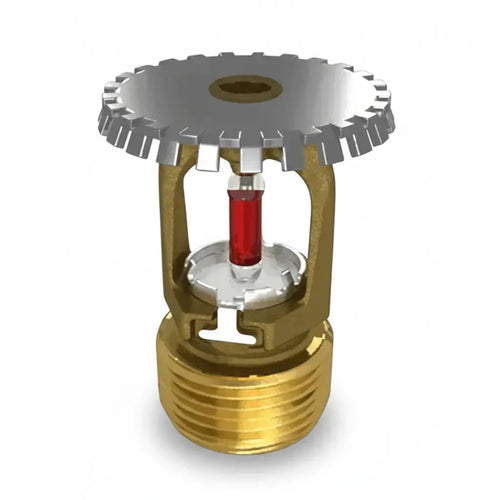


Top Air Release Valves for Fire Protection
Air trapped at a high point in a fire protection water system is not a minor nuisance. It can restrict water flow, contribute to corrosion, create unreliable pressure readings, and complicate acceptance testing. The right top air release valves help remove accumulated air while the system is pressurized, but they must be selected as part of a code-compliant assembly - not treated as a generic plumbing accessory.
For contractors, facilities teams, and fire protection buyers, the practical question is not simply which valve is best. It is which valve type, pressure rating, materials, and listing status match the specific fire service application and the approved system design.
Why Air Release Matters in Fire Water Systems
Water systems collect air during filling, testing, maintenance, and normal operation. Air rises and can become trapped at pipe high points, changes in elevation, fire pump piping, and long runs of underground or aboveground fire service main. If that air remains in the system, it may reduce the effective flow area and produce erratic hydraulic behavior.
In a fire protection setting, those conditions deserve careful attention because system performance is based on reliable water delivery at the required pressure and flow. A valve that continually purges small volumes of air can support stable operation, especially where system geometry makes air accumulation likely.
Air release equipment should never be selected in isolation. Review the engineered plans, applicable NFPA standard, manufacturer instructions, local requirements, and the authority having jurisdiction before making a replacement or adding a valve. A valve that is appropriate for a water utility, irrigation line, or commercial plumbing application may not be acceptable for a fire protection installation.
Top Air Release Valves: Know the Valve Functions
“Air valve” is often used as a catch-all term, but several products perform very different functions. Using the wrong one is a common source of specification errors.
Automatic air release valves
An automatic air release valve is intended to discharge accumulated pockets of air from a pressurized, water-filled pipeline. A float mechanism generally closes when water reaches the valve and opens as air collects. This is the most relevant function when addressing small, persistent air pockets at a system high point.
The valve’s discharge capacity is only one part of the decision. Buyers also need to confirm its working-pressure range, inlet connection, body construction, seal materials, and whether the product is accepted for the intended fire protection service.
Air and vacuum valves
An air and vacuum valve is designed for high-volume air movement. It expels air while a line is filling and admits air when the line drains or experiences negative pressure. It is valuable for protecting piping from vacuum conditions and speeding filling, but it is not necessarily designed to continually release small air volumes under normal operating pressure.
Combination air valves
A combination valve combines air-release and air/vacuum functions in one assembly. It can discharge large volumes during filling, release smaller pockets while the line is pressurized, and admit air during drainage. For some fire water applications, this is the functional answer when both filling and operating conditions need to be addressed. It is not automatically the right answer, however, because its use must align with the approved design and applicable listings.
Manual vents and test connections
A manual vent may be suitable where personnel can safely access the point and the design calls for manual air removal. It is simple and durable, but it depends on a documented maintenance procedure. Do not assume a manual vent can replace an automatic device where continuous air release is required.
Selection Starts With the Actual System Condition
The most dependable air release valve is the one sized for the condition it will see. Begin with whether the piping is normally water-filled and pressurized, how quickly it is filled, and whether the valve must handle only small trapped-air volumes or a major filling and drainage event.
System pressure deserves close review. Verify normal static pressure, pump churn pressure where applicable, potential surge conditions, and the valve’s maximum working-pressure rating. The pressure rating of the valve body alone is not enough. Confirm that the float, seals, cover, trim, discharge arrangement, and connection method are suitable for the full operating range.
Orifice size affects discharge capacity. A larger orifice can pass more air, but bigger is not always better. A valve oversized for the location can be more costly and may not solve a design issue caused by improper pipe slope, poor filling procedures, or an unsuitable installation point. Conversely, a small automatic release valve will not provide the air and vacuum capacity needed for rapid system filling.
Connection details matter during replacement work. Match the required NPT, flanged, grooved, or other connection style, and verify available clearance for service. A valve located above a ceiling or in a pit should be accessible for inspection, cleaning, and replacement without creating a difficult future maintenance task.
Listing, Approval, and Material Requirements
Fire protection procurement should focus on more than general industrial quality. Confirm whether the project documents require UL Listing, FM Approval, or another specific acceptance. The valve, assembly, and intended use must match the documentation supplied for the project. Do not substitute a visually similar valve simply because the size and pressure rating appear to match.
Material selection should reflect the environment. Ductile iron, cast iron, bronze, stainless steel, and engineered polymer components all have appropriate uses, depending on the valve design and exposure. Exterior installations, vaults, coastal environments, chemically treated water, and areas subject to freezing conditions can change the material and enclosure requirements.
Internal components are equally important. Float materials, elastomer seals, springs, and fasteners need compatibility with the water supply and expected service conditions. When replacing an older valve, identify the original manufacturer and model when possible. That information can prevent an incorrect substitute and speed the approval process.
Installation Details That Affect Performance
Even a properly specified valve will underperform if installed in the wrong location. Air release valves are generally placed at true high points where air naturally accumulates, not merely at the highest point that is easiest to reach. Review pipe profile, elevation changes, valve stations, dead ends, and transitions that can create trapped-air pockets.
The valve should be installed in the manufacturer’s required orientation, typically vertical for float-operated designs. An isolation valve is often used below the air valve to permit maintenance, but its status must be controlled. A closed isolation valve can quietly defeat the purpose of the air release device. Where installed, it should be accessible, identified, and included in inspection and maintenance procedures.
Discharge piping also requires attention. The outlet must be directed to a safe location and protected from contamination, blockage, weather exposure, or unintended water damage. Do not reduce outlet piping or cap a discharge port unless the manufacturer specifically permits that arrangement. A restricted outlet can prevent the valve from operating as designed.
For areas exposed to freezing, address the whole installation rather than relying on the valve body alone. Heat, insulation, enclosure design, drainage, and service access all influence whether the assembly remains functional through winter conditions.
Avoid These Common Replacement Mistakes
A frequent mistake is treating an air release valve like a pressure relief valve. They are not interchangeable. A pressure relief valve protects against excessive pressure; an air release valve manages trapped air. Fire pump relief components, dry-pipe system air maintenance devices, compressor controls, and water-system air valves each have distinct jobs.
Another error is replacing a failed valve without identifying why it failed. Repeated leakage may indicate debris in the line, damaged float components, corrosion, pressure outside the valve’s range, an obstructed discharge, or a valve installed in an unsuitable orientation. Replacing the same part without correcting the cause can lead to another service call and a system impairment.
Finally, do not overlook documentation. Record the manufacturer, model, size, pressure rating, location, installation date, and applicable listing or approval information. This gives the owner, inspector, and future service technician a clear basis for inspection and replacement.
A Practical Buying Checklist
Before ordering, confirm the system type and approved valve function; the required connection size and end style; normal and maximum pressure; body and seal material needs; listing or approval requirements; mounting orientation; discharge arrangement; and access for future service. For engineered or unusual conditions, provide the piping profile, available pressure information, and original valve data when requesting a quote.
Fire Protection Parts can help source recognized fire protection components when the required specifications are clear, including specialized replacement needs that may not be part of a routine stock order. Accurate information up front helps avoid delays and prevents a costly mismatch in the field.
A dependable air release valve is a small component with a direct effect on water-system readiness. Treat it as a specified life-safety part: verify the function, confirm the acceptance requirements, and install it where the system can actually benefit from it.

