

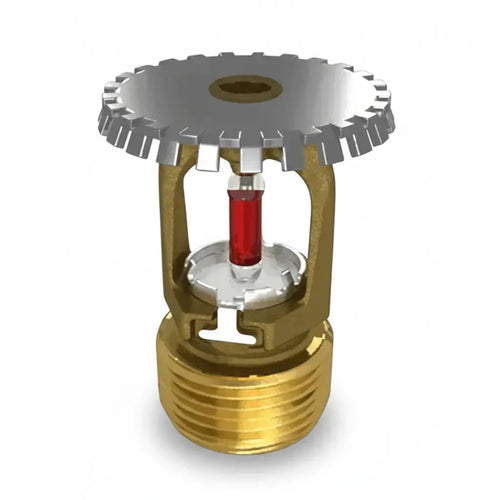


Fire Sprinkler Test and Drain Valve: The 2026 Professional Guide
Is your fire protection system truly ready for a real-world emergency, or is a mismatched component quietly compromising your compliance? Selecting the right fire sprinkler test and drain valve is often the difference between a seamless NFPA 25 inspection and a costly system failure. Many contractors and facility managers struggle to match valve orifice sizes with specific sprinkler head K-factors; this mismatch leads to inaccurate flow tests and unnecessary system downtime. It's a technical hurdle that shouldn't stand in the way of life safety.
We recognize that managing these complex engineering requirements can be a source of frustration. You deserve equipment that works the first time, every time, without the guesswork. This guide provides the professional assurance you need to master technical specifications and NFPA compliance. We'll break down the selection criteria for integrated units that reduce installation time and ensure long-term reliability. From matching orifice sizes to understanding the latest 2026 standards, you'll gain the expertise to keep your system inspection-ready and your facility protected.
Key Takeaways
- Understand how a single unit mimics sprinkler activation to verify water flow alarms while simplifying system drainage.
- Learn to match your fire sprinkler test and drain valve orifice size to the system's smallest K-factor for accurate NFPA 25 compliance.
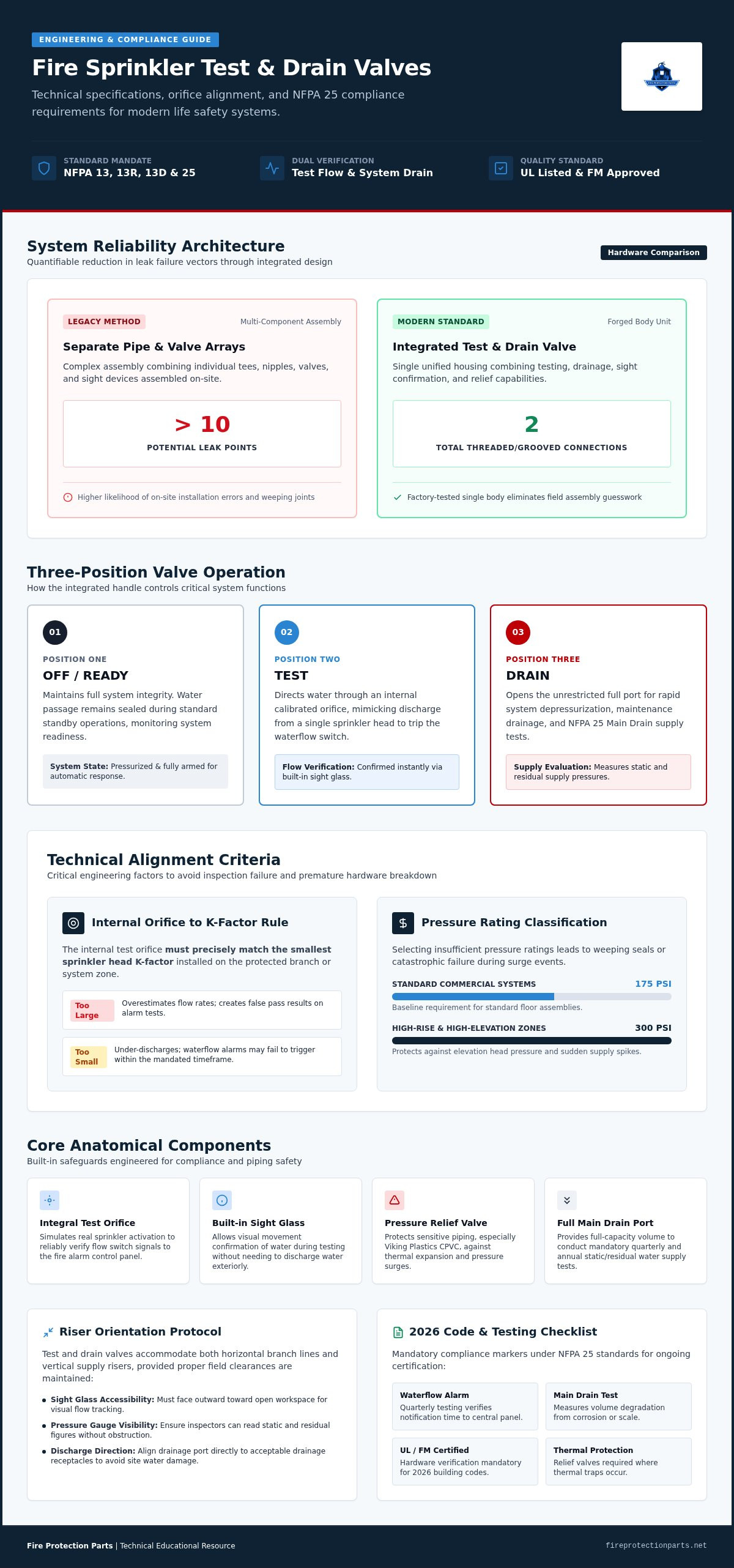
- Discover how integrated valve units reduce potential leak points from over ten connections to just two, increasing overall system reliability.
- Master proper installation orientation for horizontal and vertical risers to ensure pressure gauges and sight glasses remain accessible for inspectors.
- Identify the critical importance of UL Listing and FM Approval when sourcing hardware for 2026 code-compliant fire protection systems.
What is a Fire Sprinkler Test and Drain Valve?
A fire sprinkler test and drain valve serves as the central command for system verification. It simplifies life safety by housing two critical functions in one forged body: the ability to drain the system for maintenance and the ability to perform the inspector’s test. Instead of a complex array of separate pipes and valves, this integrated unit provides a streamlined solution that reduces leak points and installation errors. It's a specialized piece of hardware designed to eliminate the doubt often associated with multi-component assemblies. These units are essential across various fire sprinkler system design and components, specifically those meeting NFPA 13, 13R, and 13D standards.
The valve operates by simulating the activation of a single sprinkler head. When the handle is turned to the "test" position, water flows through an internal orifice. This flow mimics the discharge of the system's smallest sprinkler, which should trigger the water flow alarm within a specific timeframe. A built-in sight glass allows the technician to visually confirm this movement without needing to discharge water outside the building. This visual verification is a non-negotiable step in confirming that the waterflow switch is functional and the signal reaches the fire alarm control panel. By combining these features, the fire sprinkler test and drain valve ensures that your system remains a reliable protector of life and property.
NFPA 25 Compliance and the Inspector's Test
NFPA 25 mandates regular testing to ensure system readiness, and the test and drain valve makes these requirements manageable. During a "Main Drain Test," the valve is moved to the drain position to measure the water supply's ability to provide adequate flow. Inspectors record static and residual pressures to identify potential obstructions in the supply piping. Documentation of these results is vital; it proves the system can deliver the necessary volume during a fire event. These quarterly and annual mandates aren't just bureaucratic hurdles. They're the only way to verify that a system hasn't been compromised by scale, corrosion, or closed supply valves.
Anatomy of a Modern Test and Drain Valve
Modern valves prioritize efficiency and protection through a rugged, intuitive design. The core feature is a three-position handle clearly labeled: Off, Test, and Drain. In the "Test" position, water is directed through the integral orifice to simulate a fire event. The "Drain" position opens the full port for rapid system depressurization. Many professional-grade units now include an integrated pressure relief valve. This protects the system from damage caused by thermal expansion or pressure surges, which is especially critical when using Viking Plastics CPVC pipe or other sensitive materials. This all-in-one design ensures that every necessary component is factory-tested and ready for immediate deployment, giving contractors a high-performance tool that's built to last.
Technical Specifications: Orifice Sizes and K-Factors
Precision is the foundation of fire safety. Sizing a fire sprinkler test and drain valve requires more than just checking your pipe diameter. You must ensure the internal test orifice matches the smallest sprinkler head installed on the system branch. If the orifice is too large, it overestimates flow; if it's too small, the waterflow alarm might fail to trigger during a legitimate inspector's test. This technical alignment ensures that the system reacts exactly as it would during a fire event. Precision eliminates doubt and guarantees that your flow alarms are calibrated to real-world conditions.
Pressure ratings are equally vital to system longevity. Standard commercial systems typically utilize valves rated for 175 PSI. However, high-rise buildings or zones with significant elevation changes often require high-pressure 300 PSI models. Choosing a valve with an insufficient pressure rating is a liability you can't afford. A mismatched valve can lead to weeping seals or catastrophic failure during a pressure surge. By matching the pressure rating to your specific riser requirements, you ensure the fire sprinkler test and drain valve remains a reliable part of your life safety infrastructure for years to come.
Matching the Valve to Your Sprinkler Heads
K-factor is the discharge coefficient of a sprinkler head. To maintain compliance, the valve's test setting must simulate the discharge of a single sprinkler. In residential riser rooms, you'll often see smaller K-factors, while commercial settings frequently utilize standard or large-orifice heads. Following NFPA guidelines on floor control valve assemblies ensures your hardware selection meets these rigorous flow requirements. Use the following standard matches for your system design:
- K 5.6: Requires a 1/2-inch test orifice.
- K 8.0: Requires a 17/32-inch test orifice.
- K 11.2: Requires a 5/8-inch test orifice.
Selecting the wrong size leads to alarm timing errors. A valve that flows too much water creates a false sense of security, while one that restricts flow too much can result in a failed inspection. If you're upgrading an older system, you can find a code-compliant fire sprinkler test and drain valve that matches these modern specifications and simplifies your procurement process.
Pressure Relief and Hydrostatic Testing
Pressure management is a critical safety specification. Integrated relief valves are now industry standard because they prevent system damage from thermal expansion. Without a relief valve, rising temperatures in a wet pipe system can increase internal pressure enough to cause leaks or pipe bursts. Standard relief valves are typically factory-set to 175 PSI, providing a functional remedy for pressure buildup without technician intervention.
Modern valves also feature a "Hydro" position for system commissioning. This setting allows contractors to perform hydrostatic testing at high pressures without discharging water through the relief valve or damaging the sight glass. It's an efficient solution that saves hours during the initial installation and certification phase. Ensuring your valve has a dedicated hydrostatic test setting is a hallmark of a professional-grade installation that prioritizes both safety and labor efficiency.
Integrated Valves vs. Multi-Component Assemblies
Traditional fire protection setups often rely on the "Christmas Tree" assembly. This field-built configuration requires a complex series of ball valves, elbows, nipples, and a standalone sight glass. While functional, it introduces over ten threaded connections into a single riser. Each joint represents a potential leak point that can compromise system integrity over time. In contrast, a modern integrated fire sprinkler test and drain valve consolidates these components into a single forged body. By reducing the connection count to just two, you significantly lower the risk of system failure and maintenance-related downtime.
Space is a luxury in most residential fire riser rooms. Field-built assemblies are bulky and often difficult to fit within tight mechanical closets. Integrated units offer a compact footprint that simplifies the layout of Sprinkler System Components Online. This spatial efficiency isn't just about aesthetics; it ensures that critical hardware remains accessible for inspectors and maintenance crews. Choosing an all-in-one unit reflects a professional commitment to both safety and engineering efficiency.
Reliability and Maintenance Factors
Long-term reliability is the primary driver for choosing integrated valves. Fewer threaded connections translate directly to lower maintenance costs over the system's lifespan. These units are also designed for seamless tamper switch compatibility, ensuring that any unauthorized valve movement triggers an immediate alert. Adhering to OSHA automatic sprinkler maintenance regulations requires consistent verification of these components. An integrated valve makes this process repeatable and error-free by eliminating the variables found in custom-built assemblies.
Cost-Benefit Analysis for Contractors
The initial hardware cost of an integrated valve may be higher than buying individual fittings, but the total installed cost tells a different story. Labor is the most expensive variable on any job site. A pre-assembled unit can be installed in a fraction of the time it takes to build a "Christmas Tree" from scratch. This speed allows crews to move to the next project faster without sacrificing quality. For those managing fleet-wide maintenance contracts, standardization is a major benefit. Using the same models across multiple sites reduces inventory complexity and ensures that your technicians are always working with familiar, high-performance hardware. It's a strategic choice that prioritizes long-term profit and system dependability.
Installation Best Practices and Maintenance
A high-performance component is only as reliable as its installation. When mounting a fire sprinkler test and drain valve, orientation is your first priority. Most valves feature a forged arrow on the body indicating the required flow direction. Installing the unit backward renders the test function useless and can cause internal turbulence that damages the sight glass. Whether you're working on horizontal branch lines or vertical risers, ensure the handle remains accessible and the pressure gauge is positioned for easy reading. If an inspector can't see the indicators clearly, your system isn't truly inspection-ready.
Connecting the drain line requires a methodical approach to prevent property damage. Always maintain a consistent downward pitch toward the termination point to ensure gravity handles the discharge efficiently. Termination should occur at a floor drain or an exterior wall where water won't cause erosion or slip hazards. Avoid the common mistake of overtightening threaded connections. Excessive torque can crack the valve body or distort the internal seats. Use a high-quality thread sealant sparingly; too much "dope" can break loose and clog the small test orifice, leading to false alarm failures.
Annual Maintenance Checklist
Regular oversight prevents system downtime. Use this checklist during your annual walkthrough to verify the integrity of your hardware:
- Sight Glass Clarity: Check for algae growth, scale, or physical cracks that obscure the view of water flow.
- Handle Integrity: Verify there is no "slop" in the handle movement and ensure the stem seal isn't weeping.
- Relief Valve Inspection: Ensure the integrated pressure relief valve isn't stuck or constantly discharging water, which indicates a failing spring or trapped debris.
If you discover a compromised seal or a cracked sight glass, you can find a reliable fire sprinkler test and drain valve to restore your system's compliance immediately.
Troubleshooting Flow Alarm Failures
When a flow test fails to trigger the alarm, don't assume the waterflow switch is broken. Debris often lodges in the narrow test orifice, restricting flow below the threshold required to trip the switch. You can often clear this by briefly moving the valve to the "drain" position. The full-port flow creates enough velocity to flush out small pebbles or pipe scale without requiring a full system drain-down. If the flow remains restricted, consult our guide on Fire Protection Parts and Hardware for System Repairs to identify the correct replacement components for your specific riser configuration. Precision in troubleshooting saves hours of unnecessary labor and keeps your protection online.
Sourcing Code-Compliant Valves for 2026 Systems
Selecting the right hardware is the final, critical step in ensuring system integrity. In 2026, building codes and insurance requirements leave no room for error. A UL Listing and FM Approval are non-negotiable standards for any fire sprinkler test and drain valve. These certifications provide professional assurance that the component has undergone rigorous testing for durability and performance under pressure. Sourcing from a specialized fire protection retailer ensures you receive vetted, high-performance parts rather than generic alternatives that might fail during an inspection. It's about eliminating doubt and prioritizing life safety above all else.
Reliability also extends to logistics. For critical repairs or fast-paced new builds, you can't afford to wait weeks for a replacement component. Fire Protection Parts streamlines the procurement process with fast shipping and a focus on code-compliant inventory. We vet every brand we carry to ensure it meets the demanding needs of professional contractors. This commitment to quality means your system stays online and your facility remains protected without unnecessary delays. By working with a dedicated partner, you ensure that every fire sprinkler test and drain valve you install is a dependable link in your safety chain.
Residential vs. Commercial Requirements
NFPA 13D residential systems have unique needs compared to large-scale commercial risers. Residential installations often utilize Viking CPVC fire sprinkler pipe, which requires valves that are chemically compatible and sized for lower flow rates. High-rise commercial specifications, however, frequently demand high-pressure models capable of handling 300 PSI or more. Understanding these distinctions prevents the installation of mismatched hardware that could lead to leaks or failed flow tests. Our inventory is curated to support both residential and commercial applications with the same level of expert confidence.
The Fire Protection Parts Advantage
We position ourselves as a mission-driven partner for those who value excellence. Our team provides expert support to help you identify the correct replacement parts, ensuring your procurement is both fast and accurate. Beyond valves, we offer a comprehensive range of hardware including ASC seismic bracing and backflow preventors. This all-in-one sourcing model reduces administrative complexity and ensures that every part of your system is built to last. When you're ready to upgrade or repair your system, browse our selection of fire sprinkler test and drain valves to find the professional-grade solutions you need.
Securing System Integrity for the Years Ahead
Mastering your system's compliance starts with the right hardware. You've learned that matching a fire sprinkler test and drain valve to your specific K-factor is the only way to guarantee accurate flow alarms and successful NFPA 25 inspections. Integrated units offer a functional remedy to the risks of traditional assemblies; they reduce leak points and slash installation time. By prioritizing UL Listed and FM Approved components, you eliminate the doubt that often follows non-compliant alternatives. Your facility's protection depends on these technical details, and getting them right ensures long-term reliability.
Don't let mismatched parts compromise your life safety infrastructure. Shop Code-Compliant Fire Sprinkler Test and Drain Valves today for the professional assurance your project demands. We provide expert technical support to help you identify correct specifications and offer fast nationwide shipping to keep your timeline on track. Trust your protection to the professionals who value safety and excellence as much as you do. Secure your system now and gain the peace of mind that comes with proven, high-performance components.
Frequently Asked Questions
What is the difference between a test and drain valve and a standard ball valve?
A standard ball valve only provides a simple open or closed function for water flow. A fire sprinkler test and drain valve is a specialized multi-function component featuring an internal calibrated orifice. This orifice allows the technician to simulate the flow of a single sprinkler head while in the "test" position. It also includes a "drain" position for full-port discharge and a built-in sight glass. Standard valves lack these critical safety and verification features.
How do I know what orifice size to choose for my test and drain valve?
You must match the valve's internal test orifice to the K-factor of the smallest sprinkler head installed in your system. For instance, a K 5.6 sprinkler head requires a 1/2-inch orifice setting to ensure accurate flow simulation. Using a mismatched size will lead to incorrect alarm timing during NFPA 25 inspections. Always verify the K-factor on your system design prints or the sprinkler head deflector before selecting your hardware.
Can I install a test and drain valve in any orientation?
No, you must follow the flow direction arrow forged onto the valve body and the manufacturer’s specific guidelines. While many professional-grade models support both horizontal and vertical mounting, the orientation must ensure the sight glass and pressure gauge remain accessible. Improper placement can lead to air pockets or debris collection in the test orifice. Always confirm there is sufficient clearance to move the handle through its full range of motion without obstruction.
Why is my test and drain valve leaking from the relief valve?
Leaking usually indicates that your system pressure has exceeded the relief valve’s factory setting, often caused by thermal expansion in wet pipe systems. If the pressure is within standard limits, debris might be trapped in the relief valve seat, preventing a proper seal. You can sometimes clear this by briefly operating the relief valve manually. If the weeping continues, the internal spring or seal is likely compromised and requires a professional replacement to maintain system integrity.
Is a sight glass required on all fire sprinkler test and drain valves?
A sight glass is essential for the visual verification required during an inspector’s test. It allows the technician to confirm water is moving through the internal orifice without needing to discharge water outside the building. While older assemblies might have used open-air discharge, modern integrated units include the sight glass to simplify compliance and protect the property. It's the primary tool for verifying that the waterflow switch has triggered during a simulated event.
How often should a test and drain valve be operated?
You should operate the valve at least quarterly to perform the mandated inspector's test. NFPA 25 requires these periodic checks to ensure the waterflow alarm triggers within 90 seconds of flow. Regular operation also prevents the internal ball and seats from seizing due to mineral buildup or pipe scale. Frequent testing provides the professional assurance that your fire sprinkler test and drain valve will function perfectly when a real-world emergency occurs.
Do I need a separate pressure gauge for my test and drain assembly?
Most integrated units feature a dedicated port for a pressure gauge, which is required at the riser to monitor static and residual pressures. Having the gauge directly on the assembly makes the Main Drain Test more efficient for the inspector. It allows for the immediate recording of pressure drops during flow without the need to move between different system components. Ensuring your assembly has a high-quality gauge is a hallmark of a professional-grade installation.
What are the common causes of test and drain valve failure?
The most frequent cause of failure is a clogged test orifice due to pipe scale or construction debris. Mineral deposits can also score the internal seals, leading to persistent leaks in the "off" position. Overtightening during the installation phase often cracks the forged body or the sight glass. Finally, neglecting the quarterly test schedule can cause the stem and handle to seize. Sourcing UL Listed hardware from specialized retailers helps mitigate these risks and ensures long-term reliability.

