

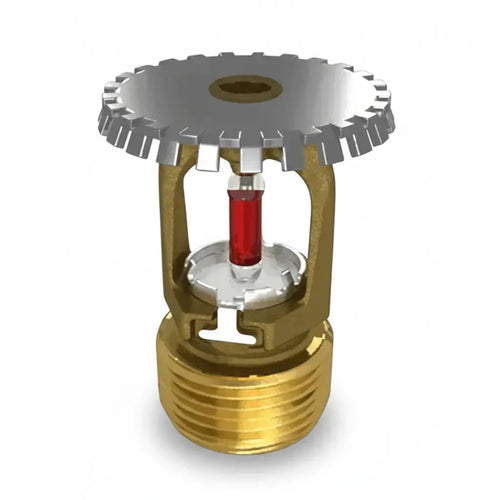


Choosing Reliable Fire Sprinkler Heads
A sprinkler head that looks interchangeable on the shelf can create real problems once it is in the field. Thread size, temperature rating, finish, response type, K-factor, orientation, listing, and application all have to line up. When buyers are sourcing reliable fire sprinkler heads, the job is not just finding a part that fits the pipe - it is finding one that performs as intended, matches the system design, and holds up in the actual environment.
What makes reliable fire sprinkler heads reliable
Reliability starts with the basics, but it does not end there. A sprinkler head needs to come from a trusted manufacturer, carry the proper UL and FM listings where required, and match the design criteria for the protected space. In commercial and industrial work, that means the head is part of a code-compliant assembly, not a generic substitute chosen on appearance alone.
Durability matters just as much as listing. Corrosion resistance, finish selection, seal integrity, and consistent manufacturing quality all affect service life. In a conditioned office area, a standard finish may be enough. In a parking structure, food processing area, canopy, freezer, or humid mechanical space, environmental conditions can shorten the life of the wrong sprinkler very quickly.
There is also the practical side of reliability. A head may be technically approved, but if it creates delays because it is difficult to source, mismatched to existing stock, or unsupported by clear technical data, it is not helping the contractor or facility team. Trusted brands with stable documentation and broad replacement availability reduce that risk.
Reliable fire sprinkler heads are not one-size-fits-all
The fastest way to create trouble is to treat sprinkler heads like commodity hardware. They are application-specific fire protection devices, and small differences matter.
Response type and thermal characteristics
Standard response and quick response sprinklers serve different purposes. Light hazard occupied spaces often call for quick response heads because of their operating characteristics and design intent. Storage, industrial, or special application areas may require something different. Temperature ratings also need to reflect the expected ceiling temperature, not just the general building use.
Choosing the wrong response type or thermal rating can affect both compliance and performance. A head that operates too late, too early, or outside the intended design basis is not a reliable choice, even if the thread connection is correct.
Orientation, coverage, and deflector design
Pendent, upright, sidewall, dry, and concealed sprinklers are not interchangeable. Coverage patterns differ. So do installation rules, escutcheon requirements, clearance expectations, and wet or dry system compatibility.
Extended coverage models can reduce head count in some spaces, but they also require exact adherence to listing limitations. Concealed sprinklers may suit finished commercial interiors, while a warehouse or mechanical room typically calls for more exposed, serviceable options. Reliability means selecting the right configuration for the actual occupancy and ceiling condition, not the most convenient substitute.
K-factor and hydraulic fit
K-factor is where many purchasing mistakes show up. A sprinkler with the wrong K-factor may physically install, but it can change the discharge characteristics assumed by the design. On replacement work, matching the specified or existing approved head is critical unless an engineer and AHJ-approved change is being made.
For contractors and maintenance teams, this is where manufacturer data and accurate part identification matter. Reliable sourcing depends on more than brand name recognition. You need to know the exact technical fit.
Brand quality matters, but so does application discipline
Recognized manufacturers earn their place because they produce consistent, listed products and maintain the technical support that commercial buyers need. Reliable is one of the established names in the fire protection market for a reason. Their sprinkler offerings are widely used across commercial and industrial applications, and buyers often seek like-for-like replacements specifically to maintain consistency with system requirements.
That said, even a strong manufacturer line does not remove the need to verify details. A reliable brand and reliable fire sprinkler heads are not always the same thing if the wrong model is selected for the job. The field conditions still decide what works.
This is especially true in retrofits and repairs. Older systems may include obsolete sprinklers, special finishes, nonstandard escutcheons, or niche application heads that cannot be swapped casually. The right replacement path may involve direct replacement, a manufacturer-approved equivalent, or a larger corrective scope depending on listing status and local requirements.
Environmental conditions can shorten sprinkler life
Many sprinkler head issues are not caused by activation at all. They are caused by corrosion, contamination, impact damage, paint, loading, or improper storage before installation.
Corrosive atmospheres are a major factor. Natatoriums, wastewater facilities, coastal environments, cold storage, and certain manufacturing operations can all demand specialty coatings or corrosion-resistant sprinklers. A standard plated sprinkler in the wrong environment may look acceptable at install and become a liability later.
Mechanical damage is another common problem. Heads in active warehouse aisles, maintenance zones, or low-clearance service areas may need guards where permitted and appropriate. Dust, grease, and finish buildup also matter. A sprinkler head is a precision thermal device, not a general fixture. Once it is painted, obstructed, or contaminated, reliability is compromised.
This is why procurement decisions should consider the service environment, not just the submittal line item. If the space is wet, cold, corrosive, or physically exposed, that should shape the product selection from the start.
What buyers should verify before ordering
For most technical purchasers, the safest path is a disciplined check against the plans, submittals, nameplate data, and existing conditions. That is especially important when the order is intended for replacement rather than new construction.
Start with the exact manufacturer and model where possible. Then confirm orientation, K-factor, temperature rating, thread size, finish, response type, and any special listing. If the application involves dry systems, freezers, canopies, sloped ceilings, storage protection, or decorative finished spaces, verify the listing details closely.
It also helps to check the date and condition of existing installed heads during maintenance-driven replacement decisions. If one head has corrosion or physical damage, the issue may be broader than a single part. In those cases, buying one replacement may solve the immediate shortage but not the underlying risk.
For procurement teams, documentation matters too. Product traceability, manufacturer warranty support, and clear specification matching reduce headaches later. The cheapest visible option is rarely the lowest-cost choice if it causes rework, rejected inspections, or return delays.
Sourcing reliable fire sprinkler heads without project delays
Availability is part of reliability when schedules are tight. Contractors and facility teams often need common sprinkler types quickly, but they also run into specialty models that are not stocked everywhere. Working with a supplier that understands fire protection part numbers, listing requirements, and acceptable substitutions can save real time.
That matters most when the request is incomplete. Sometimes the buyer has a model number. Sometimes they have only a photo, a finish, and a temperature color. In those situations, knowledgeable support can make the difference between getting the right head on the first shipment and losing days to corrections.
A specialized source such as Fire Protection Parts can be especially useful when the order includes more than sprinklers alone. If the job also needs valves, dry system components, riser trim, fittings, or alarm accessories, consolidating code-compliant products through one supplier simplifies purchasing and reduces coordination issues.
When replacement is not straightforward
There are cases where the right answer is not a simple reorder. If the installed sprinkler is recalled, damaged by paint, affected by corrosion, or no longer suitable for the occupancy, replacement may require a broader review. If the space use has changed from office to storage, for example, the existing sprinklers may no longer align with the hazard.
This is where trade-offs come into play. A direct replacement may preserve consistency and speed, but a design change may be the better long-term move if the occupancy, ceiling layout, or environmental condition has changed. Reliability is not only about what passes today. It is about what will continue to perform correctly over time.
For buyers balancing compliance, uptime, and budget, the best approach is usually the most disciplined one: verify the application, confirm the listing, match the design intent, and source from trusted manufacturers through suppliers who understand the category. When a sprinkler head is expected to sit quietly for years and perform instantly when needed, there is no room for guesswork.
A good buying decision here does not call attention to itself. It simply keeps the project moving, the inspection clean, and the system ready when it matters most.

