

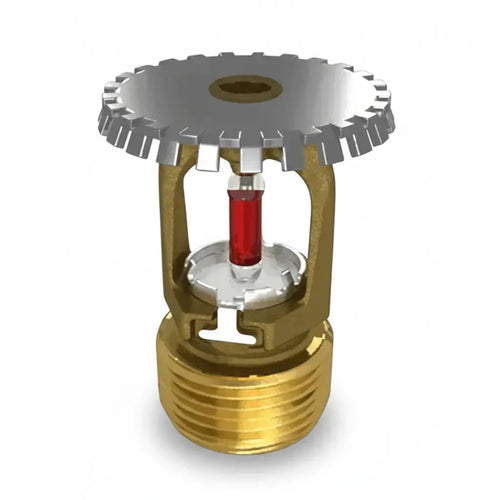


Choosing the Right CPVC Fittings for Fire Protection Systems in Residential and Light Hazard Occupancies
When it comes to hot water and chemical piping systems, selecting the right CPVC fittings is crucial for safety, efficiency, and cost-effectiveness. In the United States, the demand for reliable and durable piping solutions is on the rise, driven by growth in commercial, residential, and industrial sectors.
CPVC fittings, made from chlorinated polyvinyl chloride, offer a superior alternative to traditional materials, thanks to their exceptional resistance to high temperatures and corrosive chemicals.
This article delves into why CPVC fittings are increasingly the preferred choice, highlighting their unique advantages and guiding you toward making informed decisions for your piping projects
What Are CPVC Fittings?
CPVC fittings are thermoplastic components derived from polyvinyl chloride (PVC) through a chlorination process. This additional chlorination significantly enhances their properties, particularly their ability to withstand higher temperatures and a broader range of chemical exposures.
CPVC fittings are engineered to handle higher temperatures and more aggressive chemicals than standard PVC. While PVC is suitable for cold water and drainage, CPVC is specifically formulated to withstand temperatures up to 200°F and corrosive substances, making it ideal for chemical-resistant plumbing.
Introduced to U.S. plumbing systems in the 1960s, CPVC quickly gained traction due to its superior performance in hot water distribution and industrial fluid handling. Today, it is a staple in fire protection systems, chemical plants, and residential hot water lines.
Key Benefits of CPVC Fittings
So, what makes CPVC fittings the go-to choice for hot water and chemical piping systems? Here are some key benefits:
High-temperature Resistance:
CPVC fittings maintain structural integrity at temperatures up to 200°F, making them ideal for hot water and steam lines.
Chemical Corrosion Resistance:
They withstand a wide range of corrosive chemicals, ensuring reliability in industrial and fire protection systems.
Easy Installation & Maintenance:
Lightweight and simple to cut, join, and repair, CPVC fittings reduce labor costs and downtime.
Longevity & Low Total Cost of Ownership:
With a lifespan of 50 years or more, CPVC systems require minimal maintenance, offering significant savings over time.
Compliant with U.S. Standards:
Certified to National Sanitation Foundation (NSF) and American Society for Testing and Materials (ASTM) requirements, CPVC fittings meet the highest safety and code standards

Types of CPVC Fittings You Should Know
The Fire Protection Parts website offers a comprehensive range of CPVC fittings designed for various applications. They include:
Solvent Weld Fittings:
These are the most common type and involve chemically fusing the pipe and fitting together using a special solvent cement. This creates a strong, permanent, and leak-proof joint.
Examples from our inventory include:
High-Quality CPVC 90° Elbows:
Perfect for changing the direction of your piping, ensuring smooth flow without sharp turns.
CPVC Coupling Adapter For Reliable Piping Connections:
Essential for connecting two straight sections of CPVC pipe, providing a seamless and secure link.
Durable CPVC Tees for Reliable Fire Protection Systems:
Used to branch off a main pipeline, allowing for multiple connections or distribution points.
Threaded Fittings:
These fittings have threaded ends that screw onto corresponding threaded pipes or other components, often used for connections that might need to be disassembled for maintenance or future modifications.
While solvent welding offers a more permanent bond for pure CPVC systems, threaded connections are vital for transitioning to other materials or connecting to specific equipment. Choosing between solvent weld and threaded fittings depends on the specific application. Solvent weld is generally preferred for permanent, high-pressure and high-temperature systems, while threaded fittings offer flexibility for certain connections and are used in areas requiring periodic inspection or replacement.
Common Mistakes to Avoid
Even with the advantages of CPVC, improper installation or selection can compromise performance.
Here are some common pitfalls to steer clear of:
Mixing PVC with CPVC:
Despite their similar appearance, PVC and CPVC have different chemical compositions and temperature tolerances. Never use PVC fittings or solvent cement with CPVC pipes, as this will lead to system failure.
Ignoring Thermal Expansion:
Like all plastics, CPVC expands and contracts with temperature changes. Proper design must account for thermal expansion and contraction, using expansion loops or offsets to prevent stress on the system.

Using Wrong Adhesives or Joining Methods:
Always use CPVC-specific solvent cement and thread sealants and follow the manufacturer's instructions for proper curing times. Using incorrect adhesives or improper joining techniques will result in weak, leaky joints.
Underestimating Flow Requirements:
Ensure the chosen pipe and fitting sizes are adequate for the intended flow rates and pressure requirements of your system. Undersized piping can lead to reduced efficiency and increased wear.
Conclusion
Choosing the right CPVC fittings is essential for building safe, efficient and cost-effective hot water and chemical piping systems. With proven performance, chemical resistance, and compliance with U.S. standards, CPVC fittings from Fire Protection Parts are the smart choice for any project.
Upgrade your system with the best in chemical-resistant plumbing and industrial CPVC pipe fittings. Visit our website to explore the full range and enjoy exclusive bulk pricing.
Shop CPVC Fittings Now – Bulk Discounts Available Across the USA

