



Choosing UL FM Fire Protection Products
When a submittal gets kicked back because a valve, sprinkler, or trim component is missing the right listing, the delay is rarely small. It can hold up inspections, push labor schedules, and create avoidable rework. That is why buyers looking for ul fm fire protection products are not just comparing price - they are protecting project timelines, code compliance, and system performance.
For contractors, maintenance teams, and commercial buyers, UL and FM approvals are often shorthand for something more practical: confidence that the product has been evaluated for fire protection service and is suitable for the application it is being specified for. But that does not mean every listed or approved component is interchangeable, or that the marking alone answers every technical question. The right purchase still depends on the system type, the hazard, the authority having jurisdiction, and the exact product data.
What UL FM fire protection products really indicate
In the field, people often say "UL/FM" as a quick way to describe products that meet common fire protection approval expectations. That shorthand is useful, but it can blur an important point. UL Listed and FM Approved are not the same designation, and some products carry one, the other, or both depending on the manufacturer, product category, and intended use.
What matters to the buyer is whether the specific product is evaluated for the exact fire protection application involved. A butterfly valve for sprinkler control, a dry pendent sprinkler, an air compressor for a dry pipe system, or a backflow preventer may each have different listing and approval paths. The product marking needs to line up with the role it will play in the system, not just with a broad assumption that it is "fire rated."
That distinction becomes especially important on engineered systems and replacement work. A part that looks similar on paper may differ in pressure rating, temperature range, material compatibility, finish, trim configuration, or agency approval. In fire protection, those details are not cosmetic.
Where buyers run into trouble with UL FM fire protection products
The most common problem is oversimplification. A purchaser sees the right brand, the right size, and a familiar product family, then assumes the approval status and technical suitability are the same as the original specification. Sometimes that works. Sometimes it creates a mismatch that only shows up at delivery, during installation, or at inspection.
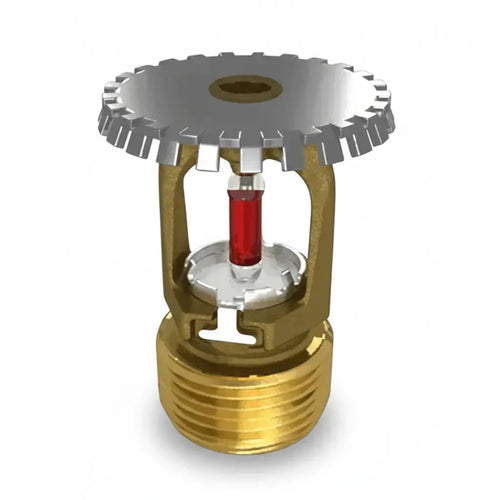
Sprinklers are a good example. K-factor, temperature rating, orientation, finish, thread type, and coverage characteristics all matter. An approved sprinkler is not the right sprinkler unless it matches the design intent and installation conditions. The same goes for valves, alarm trim, riser components, and foam equipment. Even within trusted brands, there can be meaningful differences between models.
Replacement parts create another gray area. If a facilities team is repairing an existing system, speed matters, but so does exact compatibility. Swapping in a substitute without confirming approvals and fit can create larger issues later, especially when the system comes up for testing, inspection, or modification.
How to evaluate products beyond the label
A reliable purchasing process starts with the specification, the approved submittal, or the existing nameplate data. That sounds obvious, but it is often skipped when a job is moving fast. Before ordering, confirm the manufacturer, model, size, pressure class, connection type, finish, and approval details required for the application.
Then look at the system context. Is this for wet, dry, preaction, deluge, foam, or fire pump service? Is the component exposed to corrosion, freezing conditions, or special occupancy requirements? Is it part of new construction, retrofit, tenant improvement, or emergency replacement? The same product category can have very different requirements depending on where and how it is used.
There is also the code and enforcement side. NFPA standards drive much of the system design and installation framework, but the authority having jurisdiction may have additional expectations. Some jurisdictions, engineers, or owners are very specific about approvals, brands, and substitutions. Others allow more flexibility if the documentation supports equivalency. Either way, assumptions are expensive.
Product categories where approval details matter most
Valves and backflow assemblies are often treated like straightforward line items, yet they are among the easiest places to make a costly mistake. Grooved versus flanged ends, supervisory switch compatibility, pressure ratings, body materials, and orientation requirements can all affect installation and acceptance.
Sprinklers require even closer attention because small specification differences have visible consequences in the field. A dry pendent sprinkler for a freezer box, canopy, or unheated vestibule is not a generic replacement item. Barrel length, listing parameters, temperature rating, and manufacturer-specific requirements must all align.
Air compressors for dry pipe and preaction systems are another category where application fit matters more than many buyers expect. The unit must support the system volume, pressure requirements, and desired refill performance. Approval status is one piece of the decision, but proper sizing and accessories matter just as much.
Fire pump components, alarm devices, CPVC fittings, and manifold assemblies also deserve close review. Some are highly standardized. Others are not. The more technical the system, the less room there is for casual substitution.
Why brand matters with compliant fire protection parts
In commercial fire protection, approved products from established manufacturers bring more than name recognition. They usually come with better documentation, more consistent quality control, clearer technical support, and stronger field familiarity. That can reduce headaches for installers, inspectors, and maintenance personnel.
This is one reason many buyers stay with recognized manufacturers such as Viking, Reliable, Potter, General Air Products, Zurn Wilkins, and Ames when the specification allows it. The goal is not simply to buy a part with the lowest upfront cost. It is to source a component that performs as expected, integrates properly, and stands up to review.
There is a trade-off, of course. Trusted brands are not always the cheapest option, and some specialty components carry longer lead times. But low-cost substitutes can create far more expensive delays if they arrive without the needed approvals, do not match the approved design, or trigger questions during inspection.
Sourcing strategy for contractors and facility buyers
For everyday stocked items, speed and consistency usually drive the purchasing decision. For harder-to-find parts, the real value comes from working with a supplier that understands the product category well enough to flag mismatches before they become field problems.
That is particularly useful when the buyer only has partial information - maybe a photo from the field, an old cut sheet, a model number that is no longer current, or a specification with outdated nomenclature. In those situations, product depth and technical support save time. Fire Protection Parts serves this type of buyer by focusing on code-compliant, brand-name fire protection equipment and replacement components rather than generic industrial substitutes.
For procurement teams, this approach also reduces risk. A supplier that regularly handles fire protection categories is more likely to understand why a specific trim package, pressure switch, check valve assembly, or sprinkler variant matters. That kind of category knowledge helps prevent the wrong item from entering the approval chain.
A practical way to avoid delays
The best time to verify listing and approval details is before the purchase order is issued, not after material lands on site. On quoted jobs, compare the approved submittal directly against the product being ordered. On replacement work, confirm the exact model and system role before accepting an alternate.
If there is any uncertainty, ask a straightforward question early: Is this exact product listed or approved for this exact fire protection application, and does it match the project requirement? That one step can save days of back-and-forth later.
It also helps to keep documentation organized. Cut sheets, approval data, model numbers, and manufacturer literature should be easy to access for the field team and the office. When inspectors or project managers need confirmation, quick documentation keeps the job moving.
The market for fire protection components is wide, but life safety purchasing is not the place for guesswork. When you are choosing UL FM fire protection products, the right decision is usually the one that balances approval status, application fit, manufacturer quality, and dependable availability. If a supplier can help you confirm all four before you buy, that is not a convenience - it is part of keeping the project on track.

