



Commercial Sprinkler Repair Parts That Fit
A sprinkler system repair can stall over a small component: a missing valve trim part, an incompatible gasket, a damaged pressure switch, or a sprinkler head that does not match the existing listing. Commercial sprinkler repair parts are not interchangeable simply because they look similar. The right replacement must fit the system mechanically, perform as intended, and support the applicable code and inspection requirements.
For contractors, facilities teams, and purchasing departments, the goal is not just to find a part quickly. It is to restore protection without creating a new compliance issue, extending an impairment, or introducing a component that will fail under service conditions.
Start With the System, Not the Part Number
The fastest way to order the wrong part is to begin with a generic description such as “alarm valve repair kit” or “sprinkler wrench.” Commercial fire protection systems are built around specific manufacturers, valve models, pressure ratings, trim arrangements, and approval criteria. A replacement part must be evaluated within that context.
Before sourcing anything, identify the equipment manufacturer, model number, size, and configuration. For an alarm valve or dry valve, this information is usually found on the nameplate. For a sprinkler, document the manufacturer, model, temperature rating, K-factor, orientation, response type, thread size, finish, and deflector style. A photo can help confirm the part, but it should not replace nameplate data or product documentation.
This matters most when the repair affects waterflow, supervision, alarm operation, or sprinkler discharge. A component that physically threads into place may still be unsuitable for the system. When details are incomplete, experienced technical support and a custom quote process can prevent a costly return or a field delay.
Common Commercial Sprinkler Repair Parts
The parts needed most often vary by system type and maintenance history. Wet-pipe systems may require alarm valve trim, pressure gauges, supervisory switches, check valves, inspection test components, drain valves, and replacement sprinklers. Dry and preaction systems often involve additional air maintenance equipment, low-air supervisory devices, accelerators, actuators, and specialized valve trim.
Sprinklers and Escutcheons
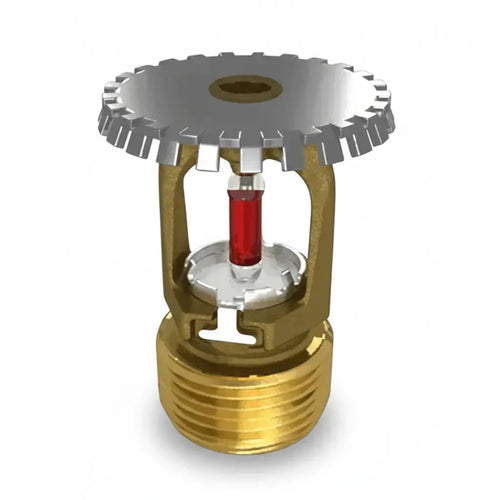
Sprinklers are life-safety devices, not general plumbing fittings. A replacement must match the existing system design and the sprinkler’s listing. Key considerations include the K-factor, temperature classification, upright, pendent, sidewall, or concealed orientation, quick-response or standard-response designation, and corrosion-resistant coating where required.
For example, substituting a standard pendent sprinkler for a quick-response model can affect the system design basis. Likewise, a white painted residential-style sprinkler is not automatically appropriate for a commercial light-hazard ceiling, even if the thread size matches. Corrosive environments, cold storage, commercial kitchens, parking structures, and exterior canopies may require more specialized selections.
Escutcheons also need attention. Recessed, adjustable, and concealed sprinkler assemblies are typically manufacturer-specific. Mixing parts across brands can affect fit, appearance, and listing compliance.
Valves, Trim, and Internal Repair Kits
Control valves, alarm valves, check valves, and backflow preventers contain serviceable components that wear over time. Diaphragms, clappers, seats, gaskets, O-rings, springs, retard chambers, and trim assemblies should be selected for the exact valve model and size.
A complete manufacturer repair kit is often the best choice when multiple internal components are aging or when the condition of individual parts is uncertain. It can reduce repeat service calls and helps ensure that materials within the valve are intended to work together. For a single, clearly identified failed component, an individual replacement may be appropriate, provided it is approved for that assembly.
Do not overlook the trim. Corroded fittings, plugged orifices, leaking gauges, damaged drains, and improperly rated pressure switches can compromise alarm performance or make testing difficult. Trim repairs should preserve the original valve arrangement and use components rated for the system’s working pressure and environment.
Gauges, Switches, and Air System Components
Pressure gauges are consumable inspection items, particularly in areas with vibration, corrosion, freezing conditions, or repeated pressure cycling. Replacements need the correct pressure range, connection size, and service rating. A gauge with an excessively high range may technically fit but provide poor visibility of normal operating pressure.
Waterflow switches, supervisory switches, tamper switches, pressure switches, and low-air alarms should be matched to the fire alarm interface and the monitored device. Electrical ratings, conduit entries, switch action, time delay settings, and compatibility with the existing fire alarm control equipment all matter.
On dry systems, air compressors, pressure maintenance devices, air regulators, check valves, and related fittings deserve the same scrutiny. A poorly matched air component can cause nuisance low-air signals, extended trip times, or repeated compressor cycling.
Compatibility Checks That Prevent Rework
A repair part should be confirmed against four practical categories: manufacturer compatibility, listing and approval requirements, mechanical fit, and operating conditions. Each one can create problems if it is treated as an afterthought.
Manufacturer compatibility is the first check. Many components are designed specifically for Viking, Reliable, General Air Products, Potter, Zurn Wilkins, Ames, and other recognized manufacturers. Equivalent-looking parts from another product line may not seal correctly or may not be recognized for use in the assembly.
Approval and listing requirements come next. Depending on the component and application, buyers may need UL Listed, FM Approved, or other project-specified credentials. The applicable fire code, system design documents, authority having jurisdiction, and manufacturer instructions should guide the selection. A lower-cost substitute is not a savings if it creates an inspection deficiency or requires replacement before turnover.
Mechanical fit includes nominal size, thread standard, connection type, face-to-face dimensions, gasket material, bolt pattern, and pressure class. This is especially important with backflow assemblies, valves, CPVC components, grooved couplings, and pipe fittings. Confirm whether the existing system uses steel, CPVC, copper, or another compatible material before ordering.
Operating conditions are equally relevant. A sprinkler riser room, an unheated loading dock, a chemical processing area, and a finished office building put different demands on fire protection components. Temperature exposure, corrosion, water quality, vibration, accessibility, and required finish can all influence the right repair selection.
Keep Repairs Aligned With Inspection and Impairment Procedures
Replacing a part in a fire sprinkler system may require shutdown, draining, restoring water supply, testing, and documentation. The exact process depends on the work being performed and the building’s impairment plan. In occupied facilities, even a short system outage should be coordinated with the building owner, monitoring provider, insurance requirements, and the authority having jurisdiction when applicable.
NFPA 25 inspection, testing, and maintenance requirements provide a useful framework for identifying deficiencies and documenting corrective work. However, a standard does not replace manufacturer instructions or the judgment of a qualified fire protection professional. Internal valve repairs, sprinkler replacement, and work affecting system operation should be performed and verified by appropriately qualified personnel.
After the repair, confirm that control valves are returned to their normal position, supervisory devices are restored, gauges show expected pressure, alarms operate as required, and the system is no longer impaired. The repair record should identify the equipment serviced, components installed, test results, and any remaining recommendations.
Buy for Reliability, Not Just Availability
When a facility has an open deficiency or a contractor has a scheduled shutdown window, availability matters. But stocked inventory alone is not enough. The supplier should be able to support brand-specific components, provide clear product identification, help verify technical details, and offer quote support for larger or specialized repairs.
Fire Protection Parts supplies code-conscious commercial and industrial fire protection components from trusted manufacturers, helping buyers source everyday repair items and harder-to-find system parts through one specialized channel. For larger repairs, providing equipment photos, nameplate information, quantities, and required delivery timing upfront makes the quote and fulfillment process more accurate.
The right commercial sprinkler repair part is the one that restores the system as designed, supports a clean inspection record, and remains dependable after the service truck leaves. Accurate identification at the start protects the schedule, the budget, and most importantly, the people and property the system is meant to protect.

