



Contractor Fire Protection Supply That Keeps Work Moving
A missing valve trim component, an incorrect sprinkler, or an unlisted fitting can turn a scheduled inspection or installation into a costly delay. Contractor fire protection supply is not simply a purchasing task. It is a critical part of delivering systems that perform as designed, meet applicable requirements, and protect people and property when called upon.
For contractors, fitters, facilities teams, and procurement professionals, the right source does more than ship boxes. It helps confirm that the parts on the order match the system, the specification, the installation conditions, and the authority having jurisdiction's expectations.
What a Dependable Contractor Fire Protection Supply Source Provides
Fire protection work often requires a mix of standard materials and highly specific components. A service technician may need a replacement pressure switch or dry sprinkler on short notice. A new installation may require pipe, fittings, valves, risers, backflow assemblies, supervisory devices, and alarm accessories that must work together as a complete system.
The strongest supply partner brings those categories together while maintaining the technical depth to support the order. That means carrying recognized manufacturers, providing clear product information, and helping buyers avoid substitutions that create compatibility or compliance problems later.
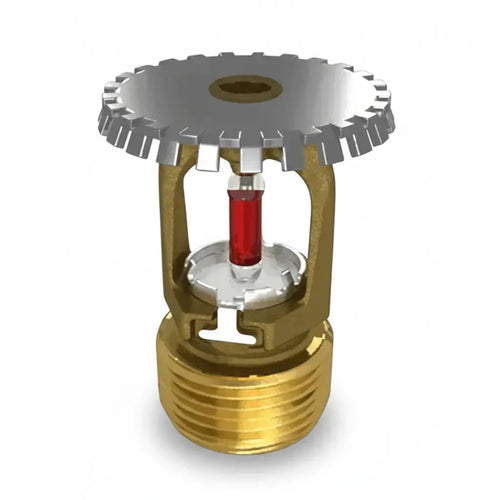
A dependable source should also understand that a part number is only one piece of the decision. A sprinkler head may look similar to another model but differ in temperature rating, response type, thread size, finish, K-factor, orientation, listing, or application. A valve may require a particular connection type, pressure rating, trim package, or supervisory arrangement. Getting those details right before the order leaves the warehouse is far less expensive than correcting them in the field.
Recognized Brands Reduce Unnecessary Risk
Life safety components should not be treated as generic commodities. Contractors need equipment from manufacturers with documented performance, established approvals, available technical data, and long-term product support. Trusted names such as Viking, Reliable, General Air Products, Potter, Zurn Wilkins, and Ames are familiar across commercial and industrial applications for a reason.
Brand consistency can also simplify maintenance. When a facility has existing equipment from a known manufacturer, sourcing an approved replacement or compatible component helps preserve system integrity and makes future service more predictable. There are situations where an equivalent product is acceptable, but that decision should be based on the specification, listing information, system design, and AHJ requirements - not just price or availability.
Buy to the System, Not Just the Part Number
A purchase order can be accurate on paper and still be wrong for the job. Before ordering, contractors should review the information that determines whether a component is suitable for the specific fire protection system.
Start with the system type. Wet, dry, preaction, deluge, foam, standpipe, and fire pump installations have different operating conditions and component requirements. For example, dry systems demand careful attention to air maintenance devices, compressors, accelerators, dry valves, and sprinklers rated for the environment. A wet-pipe component selected for a conditioned interior area may not be suitable for a cold storage room, parking structure, or exterior canopy.
Then verify the specifications that affect installation and operation. These commonly include nominal size, thread or groove connection, pressure rating, material, temperature rating, electrical characteristics, trim requirements, and listed or approved application. For replacement work, confirm the manufacturer and model of the existing equipment whenever possible. Photos of labels, nameplates, trim assemblies, and connection points can prevent a great deal of uncertainty.
The applicable NFPA standard, project drawings, local amendments, and the authority having jurisdiction remain central to selection. A distributor can help identify product options and documentation, but the contractor, engineer, and AHJ determine what is acceptable for the installation. This distinction matters most on retrofit work, where an existing system may have been installed under earlier codes or contain discontinued equipment.
Stocked Materials Matter, but Specialized Support Matters Too
Fast access to common items keeps crews productive. Contractors frequently need dependable sources for fire extinguishers, CPVC fittings, pipe, valves, sprinkler heads, alarm devices, and repair parts. Ready access helps limit downtime when service calls reveal damaged components or inspections identify deficiencies.
Yet many difficult jobs are not solved by stocked items alone. A fire pump room renovation, dry-system repair, or foam system project can require a custom combination of equipment, accessories, and documentation. In those cases, a custom quote is more than a pricing exercise. It is a practical way to consolidate the material package, check manufacturer availability, and reduce the chance that a critical component is missed.
This is where experienced customer service adds value. A knowledgeable team can ask the questions that change the order: Is the device for indoor or outdoor use? Is the sprinkler standard response or quick response? Does the valve need a tamper switch? Is the pipe being installed in a listed CPVC system? Is the replacement part intended for a specific generation of equipment?
Those questions are not friction. They are how a supplier helps keep an urgent order from becoming a return, a failed inspection, or another truck roll.
Balance Price Against Total Project Cost
Material pricing matters, particularly on large bids and recurring service work. But the lowest unit price does not always produce the lowest project cost. A low-cost substitute that lacks the required listing, arrives without supporting documentation, or does not fit the installed system can create labor overruns that quickly outweigh the original savings.
Contractors should evaluate supply decisions through the full cost of procurement: product quality, approval status, availability, shipping time, warranty coverage, accuracy of fulfillment, and technical assistance. A dependable component installed once is usually less costly than a questionable component that has to be removed, replaced, documented, and reinspected.
This does not mean every job requires the premium option. It means the product must be appropriate for the application. In a straightforward repair, an in-stock listed replacement may be the best choice. On a design-build project with a long lead time, planning ahead may allow for more options. The right approach depends on the project schedule, specification, jurisdiction, and risk of delay.
Build a Better Ordering Process for Service and Install Work
The most effective contractors make fire protection purchasing part of their operating process rather than an afterthought. They maintain accurate records of common system types, installed manufacturers, frequently used sizes, and repeat-order part numbers. This gives estimators, technicians, and purchasing staff a shared reference point when time is limited.
For larger orders, separate materials by system or area whenever possible. Grouping riser components, sprinkler materials, alarm accessories, or backflow equipment by scope makes receiving easier and reduces field confusion. It also helps reveal omissions before the order is released.
For replacement items, include as much identifying information as possible with the request. Manufacturer, model number, size, pressure rating, photos, and a description of the application all help. If a label is unreadable or equipment has been modified over time, state that clearly. A careful review before shipment is often the fastest path to a successful repair.
Finally, do not wait for an emergency to identify a dependable supplier. Establishing a relationship before a dry valve trips, a fire pump controller needs service, or an inspection deadline exposes a deficiency gives your team more control over price, options, and delivery timing.
Supply Confidence Supports Better Fire Protection Work
Fire protection systems are built from components that have to perform together under demanding conditions. The pipe, fittings, valves, sprinklers, pumps, detection devices, and supervisory equipment on a project are not interchangeable details. Each contributes to a system that must be installed correctly and maintained with discipline.
Fire Protection Parts supports contractors and commercial buyers with code-conscious, brand-name components across the fire and life safety supply chain, including hard-to-source replacement parts and custom-quoted material packages. Fast fulfillment is valuable, but accuracy, trusted manufacturers, and knowledgeable support are what help protect the schedule and the system.
When the next project requires a part that cannot be guessed, treat the purchase as part of the life safety work itself. Verify the application, confirm the specifications, and source equipment you can stand behind after installation.

