



Dry Pipe Sprinkler System Problems: Troubleshooting and Solutions for 2026
Dry pipe failures are rarely mysterious. They are the predictable result of poor air quality, thermal physics, or internal corrosion. These issues can be solved with the right hardware and a proactive approach. If you're managing a facility in 2026, you've likely dealt with the stress of a sudden alarm or the discovery of a pinhole leak. We understand that dry pipe sprinkler system problems don't just threaten your property. They disrupt your operations and drain your budget through emergency repair fees. You deserve a system that provides protection without the constant threat of failure.
This guide will show you how to identify and resolve common failures to ensure your facility remains code-compliant. We'll diagnose the root causes of false trips while providing functional remedies to keep your system running. You'll learn how to source reliable components like air compressors and dry pendent sprinklers that meet the latest NFPA 25 requirements. From understanding updated internal valve inspection rules to implementing corrosion mitigation, we're here to help you eliminate doubt and restore confidence in your fire protection strategy.
Key Takeaways
- Learn how to diagnose common dry pipe sprinkler system problems by monitoring air pressure levels and compressor cycle frequency.
- Understand the hidden risks of internal corrosion and Microbiologically Influenced Corrosion (MIC) that compromise system integrity from the inside out.
- Prevent costly false trips by maintaining the precise air-to-water ratio required for your specific valve configuration.
- Identify why the air compressor is the critical heart of your system and how managing condensation prevents mechanical failure.
- Ensure long-term code compliance by sourcing UL-listed and FM-approved components like dry pendent sprinklers and specialized air compressors.
Identifying Common Dry Pipe Sprinkler System Problems
Dry pipe systems are inherently more complex than their wet pipe counterparts. While a wet system is essentially a pressurized water line, Dry pipe sprinkler systems rely on a delicate balance of compressed air and water pressure held back by a specialized valve. This air-water interface is the primary source of most mechanical issues. Diagnosing dry pipe sprinkler system problems starts with three specific metrics: air pressure, water pressure, and compressor cycle frequency. If your air compressor is cycling more than once or twice a day without a known cause, you have a leak that requires immediate attention.
It's vital to distinguish between a "slow trip" and a catastrophic failure. A slow trip occurs when air escapes gradually, causing the valve to open but delaying water delivery beyond the code-mandated 60-second window. Catastrophic failures involve total valve blockages or pipe ruptures that leave your facility unprotected. Often, the culprit is stagnant water. Even in a "dry" system, moisture pools in low spots. This trapped water leads to localized pipe thinning, where the metal becomes paper-thin before finally giving way. Identifying these issues early prevents the high costs of emergency repairs.
Why Dry Systems Fail More Frequently Than Wet Systems
The primary reason for failure is the "Oxygen-Water-Metal" triangle. In a wet system, the water is stagnant and oxygen is quickly depleted, which actually slows corrosion. In a dry system, you're constantly introducing fresh, oxygen-rich air via the compressor. When this oxygen meets residual moisture and metal pipe, corrosion accelerates. The dry pipe valve itself acts as a single point of failure. It's a complex mechanical device that must move perfectly to transition from air to water. External factors like unheated warehouses also play a role. Cold air holds less moisture, leading to increased condensation as temperatures fluctuate, which further fuels internal decay.
Signs Your System Needs Immediate Maintenance
You don't need to be an engineer to spot the warning signs of dry pipe sprinkler system problems. Watch for these red flags:
- Excessive Compressor Run Times: If you hear your air compressor running frequently, your system is struggling to maintain the pressure seal.
- Valve Weeping: Water bypass in the dry valve or "weeping" at the main drain indicates the clapper isn't seating correctly.
- Orange Water: Visible rust or "orange water" during annual trip tests is a definitive sign of internal corrosion.
Addressing these signs immediately with professional-grade air compressors and reliable valve components ensures your system remains a protector, not a liability. Ignoring these symptoms leads to false alarms and, eventually, system failure during a real fire event.
Internal Corrosion: The Silent Threat to System Integrity
Internal corrosion is the most persistent threat to fire safety infrastructure. While the exterior of a pipe may appear sound, dry pipe sprinkler system problems often start deep within the metal walls. In these systems, the combination of pressurized air and residual moisture creates a high-oxygen environment that accelerates oxidation. This process eats the pipe from the inside out, making it nearly impossible to detect through a standard visual walkthrough. According to industry data, Microbiologically Influenced Corrosion (MIC) is the leading cause of premature pipe failure in dry pipe systems, often resulting in expensive emergency repairs.
The danger extends beyond simple leaks. As corrosion progresses, it creates rust scale and debris that travel through the lines during a system trip. This sediment can clog sprinkler head orifices or foul the deflectors, which distorts the water discharge pattern. If the spray pattern is compromised, the system cannot effectively suppress a fire. Identifying these issues early is the only way to prevent a catastrophic failure when the system is needed most.
Microbiologically Influenced Corrosion (MIC) Explained
MIC occurs when moisture trapped in high spots or improperly pitched pipes becomes a breeding ground for bacteria. These microbes don't just sit in the water; they actively consume the metal and leave behind corrosive byproducts. One telltale sign of MIC activity is a distinct "rotten egg" smell during annual trip tests. This scent indicates anaerobic bacteria are present. Don't assume that simply flushing the system will solve the issue. In many cases, flushing introduces fresh oxygen and nutrients that actually accelerate the decay process. Professional intervention and specialized treatments are often required to stop the spread.
Repairing vs. Replacing Corroded Pipe
When you discover pinhole leaks in hard-to-reach attic or warehouse spaces, you must decide between a localized repair or a full pipe replacement. If your steel piping has been in service for more than a decade, the structural integrity of the entire run is likely in question. For residential or light-hazard retrofits, using Viking CPVC fire sprinkler pipe is a reliable alternative to traditional steel. It's naturally resistant to the corrosion that plagues dry systems and is easier to install in tight configurations.
Maintaining a code-compliant facility means you can't afford to cut corners with generic hardware. It's essential to source verified sprinkler system components online to ensure every repair meets modern safety standards. For those managing complex facilities, finding reliable fire protection parts is the most effective way to eliminate doubt and ensure long-term system performance.
Solving False Trips and Pressure Imbalance Issues
A "false trip" occurs when the air pressure in your piping drops below the mechanical threshold required to hold the dry pipe valve closed. It's one of the most frustrating dry pipe sprinkler system problems because it often happens without an obvious leak or fire event. Most differential dry pipe valves rely on a specific air-to-water pressure ratio, typically 1:5 or 1:6. If your facility's water pressure is 100 PSI, you must maintain at least 20 PSI of air to keep the system stable. Falling even slightly below this margin triggers the valve, flooding the system with water and necessitating a costly reset and drainage process.
Small air leaks that seem manageable during the day can quickly lead to big headaches when the sun goes down. These imbalances are often driven by thermal physics rather than a major mechanical failure. Understanding how pressure fluctuates allows you to set your compressor limits with a safety buffer. This proactive approach prevents the system from tripping during minor environmental changes, keeping your operations running without interruption.
The Impact of Temperature on Air Pressure
Basic physics dictates that cold air occupies less volume than warm air. When temperatures plummet, the air pressure inside your pipes drops accordingly. This is why auxiliary systems in unheated warehouses or loading docks are most at risk during the winter months. You might find your system trips on the coldest night of the year simply because the air contracted enough to lose its hold on the valve clapper. Proactive pressure adjustments for seasonal weather changes are essential. Increasing your air maintenance pressure by just 5 to 10 PSI before a cold snap can provide the necessary cushion to avoid a middle-of-the-night emergency call.
Troubleshooting the Dry Pipe Valve Latch
If your pressures are correct but the system still trips, the issue is likely mechanical. Debris in the valve seat is a common cause of water bypass. Even a tiny pebble or a flake of rust can prevent the clapper from seating perfectly. When you reset the clapper, don't assume a "click" means it's secure. You must verify that the latching mechanism is fully engaged and the seat is clear of obstructions. In older differential valves, worn gaskets and seals often lose their elasticity over time. These components are critical for maintaining the pressure seal. If you notice "weeping" from the intermediate chamber, it's a clear signal that your gaskets need replacement to prevent future dry pipe sprinkler system problems.

Mechanical Failures: Air Compressors and Condensation
The air compressor is the heart of a dry pipe system. It works tirelessly to maintain the pressure that holds back the water supply at the dry pipe valve. When this mechanical component fails, the result is an immediate and costly system trip. This doesn't just cause operational downtime; it introduces water into pipes that are meant to stay dry, accelerating the very corrosion issues discussed in previous sections. Managing these dry pipe sprinkler system problems requires a reliable air source that can keep up with the demands of the system without constant manual intervention.
Effective air management is a priority for any facility; while maintaining your sprinkler system, you can also learn more about Ventdel AS for high-quality ventilation systems and spare parts that ensure a healthy building environment.
Condensation is the primary enemy in these environments. As the compressor draws in ambient air, it also pulls in moisture. When this air cools inside the piping, the moisture condenses into liquid water. Managing condensation is one of the most effective ways to prevent dry pipe sprinkler system problems before they require emergency repairs. If this water isn't managed, it pools in low spots, leading to localized corrosion or freeze-ups. Oil-less compressors are the industry standard for fire protection because they prevent oil mist from entering the piping. Oil in the lines can degrade rubber gaskets and seals over time, leading to leaks that are difficult to track down.
Maintaining Your Air Supply
Watch for signs of a failing motor or a sluggish pressure switch. If your compressor takes longer than usual to reach its required pressure, or if it makes unusual grinding noises, it's time for a professional inspection. A compressor that runs too frequently is often a sign of a larger system leak, but it can also indicate that the pressure switch is failing to maintain the correct differential. Before you commit to a replacement, consult our guide to air compressors for dry sprinkler systems to ensure you're selecting a unit with the correct capacity for your system's total volume. Integrating an air dryer into your setup is another professional-grade solution. It removes moisture before it ever enters the pipes, significantly reducing internal corrosion and long-term maintenance costs.
Managing Condensation with Drum Drips
Drum drips, also known as auxiliary drains, are critical for removing accumulated condensation. These must be located at the lowest points of the system where water naturally pools. Draining them is a precise procedure that requires careful attention to avoid a system trip. You must close the top valve and open the bottom valve to release water while maintaining the system's air seal. If you reverse this order, you'll lose the air pressure holding the main valve, causing it to trip. In unheated areas, these drains are prone to freezing, which can crack the pipe and lead to a total failure. Using proper insulation or heat trace is a functional remedy that provides peace of mind during extreme winter weather.
If you're seeing signs of wear in your current setup, it's time to upgrade to professional-grade air compressors designed specifically for fire protection reliability.
Sourcing Reliable Parts for System Longevity
Resolving persistent dry pipe sprinkler system problems requires more than just a quick fix. It demands a commitment to professional-grade hardware. When you source components for repairs, you must verify they are UL-listed and FM-approved. These certifications aren't just bureaucratic hurdles. They are your assurance that the part will perform under the extreme conditions of a fire event. Using substandard or non-compliant parts can void your insurance and leave your facility at risk. For residential contractors, sourcing fire protection parts online is the most efficient way to maintain code compliance while keeping projects on schedule.
Waiting for a part to arrive while your system is tagged out of service is a major operational risk. We recommend building a "Critical Spares" cabinet. This simple step minimizes downtime and ensures you're prepared for the most common mechanical failures. For those managing facilities with engine-driven fire pumps or backup power, Representaciones BURG SpA provides critical spares for Perkins and Caterpillar equipment. Having the right valve seals or pressure gauges on hand can turn a potential emergency into a routine maintenance task, eliminating the delay of shipping times and ensuring that your protector remains active at all times.
Selecting Dry Pendent Sprinkler Heads
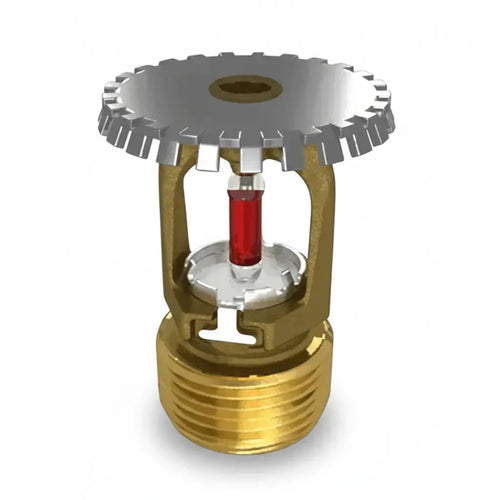
Dry pendent sprinklers are specialized components designed for areas prone to freezing. You cannot use standard pendents in these systems because water can become trapped in the drop nipple, leading to a freeze-up and pipe rupture. When replacing these, you must identify the correct barrel length to ensure the head is properly insulated from the cold space. It's also vital to review fire sprinkler head temperature ratings for your specific environment. A head that activates too early or too late is a failure of the system's core mission. Precision in selection is the only way to ensure reliable performance.
Building a Maintenance Kit
A robust maintenance kit should include more than just replacement heads. Stock your facility with essential pressure gauges, replacement escutcheons, and valve seals. These smaller items are often the first to fail but the easiest to fix. Don't overlook the importance of ASC Seismic Bracing. This hardware protects your piping from mechanical stress and vibration, which can lead to the very leaks that cause dry pipe sprinkler system problems. When you are ready to secure your facility, buy your replacement fire sprinkler heads and control valves from a trusted professional source that understands the high stakes of fire safety. Making the right choice now prevents a failure later.
Secure Your System Against Future Failures
Proactive monitoring of air pressure and diligent condensation management are your first lines of defense against system downtime. By addressing internal corrosion with high-quality materials and ensuring your air supply is reliable, you transform a vulnerable system into a dependable protector. Resolving dry pipe sprinkler system problems doesn't have to be a reactive cycle of expensive emergency repairs. With the right hardware and a clear maintenance strategy, you can maintain code compliance and operational continuity throughout 2026 and beyond. It's about making the right choice before a failure occurs.
When you need verified components to restore your facility's safety, we're here as your mission-driven partner. Shop Professional Fire Protection Parts and Hardware to access UL-Listed and FM-Approved components designed for strength and longevity. We provide expert technical support for contractors and fast shipping on critical replacement parts to ensure you're never left unprotected. Take control of your fire protection strategy today and build a system that stands the test of time. Your peace of mind is worth the investment in quality hardware.
Frequently Asked Questions
How often should I drain the drum drips on my dry pipe system?
Drain your drum drips daily during freezing temperatures and immediately after any system trip or flow test. Under normal conditions, you should check these auxiliary drains weekly or monthly to remove accumulated condensation. Consistent draining prevents water from pooling in low spots where it can cause internal corrosion or freeze and rupture the pipe. It's a simple maintenance step that prevents major mechanical failures.
Why does my air compressor run every few hours even when no one is using the system?
Your air compressor cycles frequently because it's compensating for a pressurized air leak somewhere in the piping. Even a tiny pinhole leak or a worn gasket in a differential valve creates enough pressure loss to trigger the compressor's pressure switch. Frequent cycling is one of the most common dry pipe sprinkler system problems. It accelerates wear on the compressor motor and indicates that your system's pressure seal is compromised.
What is the difference between a dry pipe system and a pre-action system?
A dry pipe system releases water as soon as a sprinkler head opens and air pressure drops, but a pre-action system requires a supplemental fire detection event. In a pre-action setup, an independent smoke or heat detector must activate before the valve allows water into the piping. This provides an extra layer of protection against accidental discharge, making pre-action systems ideal for high-value environments like data centers or museums.
Can I convert my dry pipe system to a nitrogen-filled system to stop corrosion?
You can convert to a nitrogen-filled system by installing a nitrogen generator to replace your standard air compressor. Nitrogen is an inert gas that eliminates the oxygen necessary for the oxidation process to occur. This is a highly effective functional remedy for stopping internal corrosion. It significantly extends the lifespan of your steel piping by removing the "Oxygen" side of the corrosion triangle.
What happens if the water pressure in my dry pipe valve is higher than the air pressure?
If the water pressure exceeds the air pressure threshold, the dry pipe valve clapper will force itself open and flood the system. This is known as a system trip. Most valves operate on a specific differential ratio, such as 1:5 or 1:6, meaning you must maintain a consistent air pressure cushion to hold back the water supply. An unexpected trip requires a full system reset and extensive drainage.
How do I identify which fire sprinkler head needs replacement after a leak?
Identify heads for replacement by looking for mineral deposits, "orange water" staining, or a discolored heat-sensitive bulb. If a head has leaked, the internal seal is broken and the component will not perform reliably during a fire. You must match the exact temperature rating and response type when sourcing replacement heads to maintain the system's design integrity and ensure code compliance.
Is it normal for a dry pipe system to have a small amount of water in the pipes?
Some moisture is normal due to atmospheric condensation, but it must be managed through auxiliary drains. While a dry system shouldn't have standing water, residual moisture from previous trip tests often remains in improperly pitched pipes. This is why functional drum drips are essential for managing dry pipe sprinkler system problems like localized thinning and Microbiologically Influenced Corrosion (MIC).
What are the NFPA 25 requirements for dry pipe trip testing in 2026?
The 2026 edition of NFPA 25 requires a full-flow trip test every three years to verify water reaches the remote inspector's test connection within 60 seconds. You must also perform a partial-flow trip test annually to ensure the dry valve operates correctly without flooding the entire system. These tests are critical for identifying mechanical obstructions or valve seating issues before they lead to a system failure.

