

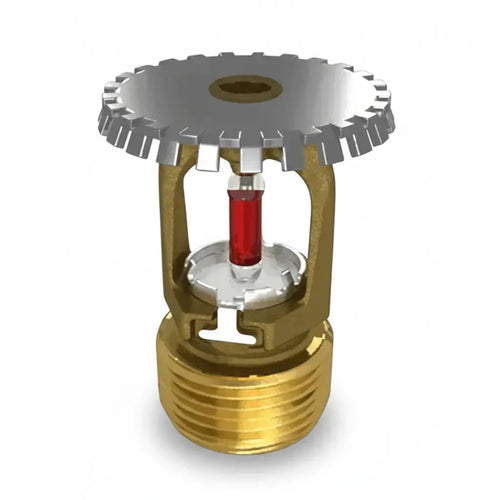


Dry Sprinkler System vs. Antifreeze: Choosing the Right Freeze Protection in 2026
A single frozen pipe often causes more property damage than the fire it was designed to extinguish. You've likely felt the seasonal anxiety that comes with dropping temperatures, wondering if your protection will hold under pressure. When evaluating a dry sprinkler system vs antifreeze for your facility, the choice isn't just about the initial price tag. It's about long-term reliability and strict adherence to the latest NFPA 13 and 25 standards.
We understand the frustration of navigating complex "listed" antifreeze requirements and the mechanical maintenance of dry pipe hardware. You need a system that won't fail when the mercury hits zero. This guide compares the mechanics, costs, and compliance needs of both options to ensure your fire protection remains dependable through 2026. We'll examine everything from air compressor requirements to Viking listed antifreeze solutions. By the end, you'll have a clear understanding of the hardware required to keep your building safe and your maintenance budget under control.
Key Takeaways
- Learn why standard wet systems fail in unheated environments and how to prevent catastrophic pipe bursts during extreme winter freezes.
- Understand the mechanical requirements of dry pipe systems, including the role of air compressors and dry pipe valves in maintaining a water-free line.
- Navigate the latest NFPA compliance standards for "listed" antifreeze solutions to ensure your facility meets mandatory safety codes.
- Evaluate the long-term maintenance and installation costs of a dry sprinkler system vs antifreeze to choose the most cost-effective protection for your building.
- Identify the critical hardware needed for a reliable installation, from Viking listed antifreeze to specialized dry pendent sprinklers.
The Critical Need for Freeze Protection in Fire Sprinklers
Standard fire suppression relies on water being ready at a moment's notice. In most heated buildings, wet-pipe systems provide this reliability. However, in unheated environments, that same water becomes a liability. When temperatures drop, the physics of water expansion takes over. Ice occupies about 9% more volume than liquid water. As ice plugs form, they trap liquid water between the blockage and the sprinkler head. This creates extreme hydraulic pressure that can easily exceed the burst strength of steel or Viking Plastics CPVC piping.
NFPA 13 and NFPA 25 are very clear on this risk. Any area where temperatures are expected to fall below 40°F (4°C) must have dedicated freeze protection. This isn't a suggestion; it's a code requirement designed to prevent total system failure. Building owners generally face a choice: dry sprinkler system vs antifreeze. One relies on mechanical separation using air or nitrogen, while the other uses chemical solutions to lower the freezing point. Both aim to prevent the catastrophic failure of your fire suppression infrastructure. Choosing between them requires a look at your specific facility layout and long-term maintenance capacity.
While your building's infrastructure requires strict temperature management to avoid failure, you can apply that same level of control to your personal environment; to see how to maintain comfort in any setting, check out FrostWave.
Identifying High-Risk Freeze Zones
Vulnerability depends on the building's thermal envelope and the local climate. High-risk areas that demand professional freeze protection often include:
- Unheated Warehouses: Loading docks and large storage bays often lack insulation or climate control, leaving pipes exposed to the elements.
- Cold Storage: Commercial freezers and refrigerated lockers require specialized protection to prevent immediate line freezing.
- Residential Spaces: Unheated attics, crawl spaces, and attached garages are common failure points in multi-family housing and single-family homes.
The Cost of Failure: Beyond the Water Damage
The immediate aftermath of a burst pipe is a flood, but the secondary costs are often higher. When a system fails, it's considered impaired and is effectively offline. Under NFPA 101 and local codes, an unprotected building often requires a physical "Fire Watch." This means hiring personnel to patrol the property 24/7 until the system is repaired and certified. These costs add up quickly and can dwarf the price of the initial repair. Additionally, insurance providers may deny claims if they find the system wasn't maintained according to NFPA 25 standards. Ensuring you have the right components, like the correct fire sprinkler head temperature ratings and compliant freeze protection, is the only way to mitigate these legal and financial risks. Reliability isn't just about safety; it's about business continuity.
Dry Pipe Sprinkler Systems: The Mechanical Defense
Dry pipe systems offer a mechanical solution to the freezing problem. Instead of filling the pipes with water, these systems use pressurized air or nitrogen. This gas acts as a barrier, holding back the water supply at the dry pipe valve, which is located in a heated portion of the building. When a sprinkler head activates, the air pressure drops. This allows the valve to open, and water flows into the system. In the ongoing comparison of dry sprinkler system vs antifreeze, the dry pipe method is often favored for large scale applications where chemical volume would be impractical. It's a robust approach that eliminates the risk of chemical degradation over time.
The heart of this setup is the dry pipe valve. It operates on a pressure differential, typically requiring only a fraction of the water pressure in air to remain closed. Reliability depends on the consistency of that air supply. This is why selecting the right air compressor for dry sprinkler systems is a critical safety decision. If the air pressure fails, the system trips, and water enters the freezing zone, leading to the exact pipe bursts you are trying to avoid.
Essential Dry System Hardware
A functional dry system requires more than just a valve. You need a dedicated air maintenance device to regulate pressure and prevent the system from tripping due to minor leaks. For larger systems, an accelerator is often necessary. This component speeds up the air exhaust process, ensuring water reaches the remote sprinkler head within the time limits mandated by NFPA 13. Sourcing these precision components from a trusted partner like Fire Protection Parts ensures your mechanical defense meets rigorous industry standards.
Dry Pendent Sprinklers for Wet-to-Dry Transitions
Not every building requires a full dry pipe system. Sometimes, you only need to protect a small unheated area, such as a loading dock or a walk-in freezer, while the rest of the facility uses a standard wet system. This is where dry pendent sprinklers become essential. These specialized heads feature an internal seal that keeps water back in the heated piping. This design prevents water from entering the cold zone until the head is activated by heat.
The most important factor here is the barrel length. Barrel length is the specific distance between the sprinkler head and the connection to the wet pipe. It must be long enough to keep the water side seal within the heated space. This thermal isolation prevents the water from freezing at the point of entry. Choosing the correct length is vital for maintaining the integrity of your freeze protection strategy.
Antifreeze Systems: Chemical Freeze Prevention
Antifreeze systems provide a chemical solution to the freezing threat, keeping the piping full of liquid rather than pressurized gas. This approach is often the most efficient choice for small unheated zones where the mechanical complexity of a dry valve isn't justified. When comparing a dry sprinkler system vs antifreeze, the chemical route often wins on installation speed and physical footprint. You don't need a bulky dry valve assembly or a noisy air compressor. Instead, the system operates much like a standard wet-pipe setup, but with a specialized fluid that remains liquid even in sub-zero temperatures. It's a straightforward remedy for protecting isolated areas like residential attics or small commercial storage rooms.
Listed Antifreeze vs. Legacy Glycol
The landscape of fire protection chemicals shifted permanently after the 2013 NFPA pivot. Older systems often used high concentrations of propylene or ethylene glycol mixed on-site. Investigations revealed that these legacy mixtures could actually ignite when discharged through a sprinkler head onto an active fire. Modern codes now mandate factory-premixed, agency-listed solutions. These are engineered to ensure the mixture is safe, stable, and effective. Identifying the correct anti-freeze for fire sprinkler systems is now a matter of verifying UL or FM listings. Using a non-compliant solution doesn't just risk a code violation; it compromises the safety of the entire facility.
Maintenance and Testing Requirements
Chemical systems require a different type of vigilance than mechanical ones. Reliability depends entirely on the fluid's concentration. NFPA 25 requires annual testing using a calibrated refractometer to ensure the solution still meets the required freeze point. If the antifreeze becomes diluted by water or contaminated by pipe scale, the entire system may need to be drained and refilled with fresh premix. Hardware also plays a critical role in these systems. Since liquids expand and contract with temperature changes, an expansion tank is necessary to manage pressure fluctuations without tripping relief valves. Protecting the building's water supply is also a top priority. You must install a backflow preventer in fire protection lines that contain antifreeze. This prevents chemicals from entering the potable water system, ensuring the safety of the building's drinking water while maintaining fire readiness.
Head-to-Head: Dry Pipe vs. Antifreeze Systems
Choosing between a dry sprinkler system vs antifreeze requires balancing upfront capital with long-term operational costs. Dry pipe systems involve a higher initial investment due to the specialized valves and the need for a dedicated air supply. However, once installed, the "fuel" for the system is simply air. In contrast, antifreeze systems are often cheaper to install in small configurations but carry higher recurring costs. Replacing listed chemical solutions after a system trip or during a required five-year drain-down can become expensive if the system volume is high. For large warehouses, the mechanical complexity of air is more economical than the chemical volume of antifreeze.
Operational complexity also differs. A dry system requires staff to understand air compressor maintenance and the nuances of the dry valve. If the compressor fails, the system is compromised. Antifreeze systems are simpler to understand but demand strict adherence to chemical testing schedules. You must verify that your staff or service provider is equipped to manage these specific requirements. Reliability isn't just about the hardware; it's about the humans managing it. Order your freeze protection components today to ensure your team has the right tools for the job.
The Decision Matrix: Which One Do You Need?
The scale of the protected area usually dictates the winner. For small unheated zones like residential attics or isolated overhangs, antifreeze or dry pendent heads are the most efficient choices. They provide targeted protection without the need for a full dry valve assembly. Large unheated spaces, such as distribution centers or parking garages, almost always utilize dry pipe systems because they can handle massive volumes without the prohibitive cost of chemical premix. While dry pipe systems require a "trip time" for air to exhaust before water reaches the head, antifreeze systems offer instant flow similar to a standard wet system.
Corrosion Management in Cold Systems
Internal corrosion is the silent killer of fire suppression infrastructure. Many facility managers believe dry systems are immune to rust because they don't contain standing water. This is a myth. Compressed air contains moisture that condenses inside the pipes. When oxygen and water meet steel, pinhole leaks are inevitable. Premium installations often use nitrogen generators to replace oxygen with inert gas, significantly extending the system's lifespan.
For antifreeze applications, material choice is equally important. Using Viking CPVC fire sprinkler pipe is an excellent way to mitigate corrosion risks. CPVC doesn't pit or scale like metallic piping, ensuring that the antifreeze solution remains clean and the pipe walls remain smooth. This combination of chemical protection and high-quality materials provides the ultimate peace of mind for residential and light commercial freeze protection.
Sourcing Components for Your Freeze-Proof System
Reliability in fire protection starts with the components you choose. When deciding between a dry sprinkler system vs antifreeze, the hardware must meet the rigorous demands of the 2026 NFPA codes. Cutting corners with unlisted parts leads to system failure and legal liability. You need components designed for longevity and verified by testing agencies. Sourcing from a specialist ensures that every valve, compressor, and chemical solution is ready to perform under extreme conditions. Professional-grade parts eliminate the doubt that often accompanies seasonal temperature drops.
Proper identification of replacement parts is a common hurdle for facility managers. If a head activates or shows signs of corrosion, you must match the replacement exactly to the original design specifications. This includes verifying fire sprinkler head temperature ratings to ensure the new head operates at the correct thermal threshold for its environment. Expert support is invaluable during this phase. Whether you're selecting specialized deluge valves or navigating the complexities of seismic requirements, professional guidance removes the guesswork from your procurement process. Specialists like MESCH Isolierung & Brandschutz GmbH can provide the technical proficiency needed to manage these complex fire protection and insulation standards. Ensuring all components meet 2026 standards for residential and commercial use is the only way to maintain a compliant, safe building.
Checklist for Dry Pipe Sourcing
Mechanical systems require a suite of interconnected parts to function properly. Your sourcing list should prioritize the following essentials for a robust installation:
- Air Compressors and Maintenance Devices: These keep the system pressurized and prevent nuisance trips.
- Dry Pipe Valves and Pressure Switches: These act as the primary gateway for the water supply.
- Dry Pendent Heads: These are vital for protecting small cold zones that transition from a main wet system.
- Seismic Bracing: High-risk zones require seismic bracing for sprinkler systems to maintain structural integrity during ground movement.
- Trim Kits and Escutcheons: These are essential for finishing repairs and ensuring the system remains airtight and aesthetically correct.
Checklist for Antifreeze System Sourcing
Chemical systems demand a focus on fluid integrity and containment. Ensure your inventory includes these critical items to keep your system code-compliant:
- Listed Premixed Solutions: Never use unlisted chemicals or on-site mixes. Stick to factory-premixed antifreeze for guaranteed safety.
- Refractometers: This is your primary tool for mandatory annual concentration testing.
- Expansion Tanks and Backflow Preventers: These manage pressure changes and protect your facility's potable water supply.
- Viking CPVC Fittings: These provide a corrosion-resistant path for your chemical solutions and simplify the installation process.
Before every winter season, you must verify the specific gravity of your solution. Use a refractometer to confirm the mixture hasn't been diluted by water ingress or chemical breakdown. If the concentration falls outside the listed range, the system requires a full flush and refill with fresh premix. This simple preventative step ensures your antifreeze remains effective when the first freeze arrives. While the debate of dry sprinkler system vs antifreeze often comes down to the size of the space, the quality of your parts is non-negotiable for safety.
Securing Your Fire Protection Against the 2026 Freeze
Protecting your facility from winter damage requires a deliberate choice between a dry sprinkler system vs antifreeze. We've seen that while dry pipe systems offer a robust mechanical shield for large warehouses, listed antifreeze solutions provide a streamlined chemical defense for smaller, isolated zones. The deciding factor is always your system volume and the specific demands of your building's environment. Don't let a drop in temperature lead to a catastrophic pipe burst or a costly code violation. Reliability is built on the quality of your components and your adherence to NFPA 13 and 25 standards.
You need hardware that meets the highest industry standards to stay compliant and safe. We act as your mission-driven partner, providing the expert technical support contractors and facility managers rely on. As an authorized retailer for Viking and ASC Engineered Solutions, we offer fast shipping on air compressors and listed antifreeze to keep your projects on schedule. Shop Code-Compliant Freeze Protection Parts at Fire Protection Parts today. Ensure your fire suppression is ready for whatever winter brings.
Frequently Asked Questions
Is a dry sprinkler system more expensive than an antifreeze system?
Initial hardware costs for dry systems are typically higher because they require specialized valves and dedicated air supplies. However, the comparison of dry sprinkler system vs antifreeze changes when you factor in long-term operational expenses. While air is free, listed antifreeze is a recurring cost. For large facilities, the mechanical investment in a dry system often proves more economical over time than maintaining a high volume of chemical premix.
Can I use automotive antifreeze in my fire sprinkler system?
No, you must never use automotive antifreeze because it is highly flammable and lacks the necessary safety listings. Fire protection systems require factory-premixed solutions that are specifically engineered to suppress flames rather than fueling them. Using unlisted chemicals creates a catastrophic safety risk and will lead to immediate code violations. Always source agency-listed fluids that meet the 2026 UL and FM standards for fire suppression.
What is the maximum size for an antifreeze sprinkler system?
The maximum size is determined by the manufacturer's listing and specific hydraulic calculations for the building. While legacy systems were often limited to 40 gallons, modern listed solutions allow for larger volumes if the system can maintain the correct pressure and flow. For massive unheated areas like industrial warehouses, the mechanical simplicity of a dry pipe system is generally preferred over managing hundreds of gallons of chemical solution.
How often does a dry pipe air compressor need to run?
A compressor should only run occasionally to compensate for minor pressure fluctuations. If your unit cycles frequently, it's a sign of a leak in the piping or a failing air maintenance device. Frequent operation leads to motor wear and introduces excessive moisture into the system. Regular maintenance helps identify these leaks early, preventing the system from tripping and allowing water to enter the freezing zone unexpectedly.
Do dry sprinkler systems corrode faster than wet systems?
Yes, dry systems are highly susceptible to internal corrosion because they contain both oxygen and condensed moisture. This combination causes iron oxide to form, leading to pinhole leaks and obstructed heads. Many professionals now use nitrogen generators instead of standard air compressors to mitigate this risk. Nitrogen is an inert gas that displaces oxygen, effectively stopping the corrosion process and extending the lifespan of the piping infrastructure.
What is a dry pendent sprinkler and when is it the best choice?
A dry pendent sprinkler is a specialized head featuring an internal seal that keeps water in the heated piping until activation. It's the ideal choice for protecting small unheated zones, such as a loading dock or walk-in freezer, without installing a full dry sprinkler system vs antifreeze setup. This allows you to extend a standard wet system into a cold area while maintaining the thermal isolation required to prevent freezing.
Are antifreeze systems still legal under NFPA 25 in 2026?
Yes, antifreeze systems remain legal provided they utilize factory-premixed, agency-listed solutions. The 2026 standards strictly prohibit the use of legacy glycol mixtures that were blended on-site. Any existing system still using unlisted chemicals must be drained and refilled with compliant premix to pass inspection. Building owners are responsible for ensuring their chemical freeze protection meets these updated safety requirements to maintain their insurance and occupancy permits.
How do I test if my antifreeze solution is still effective?
You must test the solution annually using a calibrated refractometer to measure its specific gravity and freeze point. This test is a mandatory requirement under NFPA 25 and should be performed before the first winter freeze. If the results show the concentration has drifted outside the listed range, the system must be flushed and refilled. This ensures the fluid will remain liquid and ready for discharge during extreme cold weather events.

