



Essential Residential Fire Sprinkler System Maintenance Parts for 2026
Your residential fire sprinkler system isn't a "set it and forget it" appliance; it's a life-saving machine that requires precise hardware updates to remain functional. With the 2025 edition of NFPA 13D now the active standard, homeowners and contractors face stricter scrutiny regarding system integrity and part compatibility. Sourcing the correct residential fire sprinkler system maintenance parts is often the difference between a code-compliant home and a dangerous liability.
You likely already know that keeping your family safe means more than just checking a pressure gauge once a year. It's about ensuring every component, from the backflow preventer to the specific sprinkler head model, is rated for your layout and ready to perform under pressure. We'll help you eliminate the guesswork and the fear of system failure. This guide identifies the critical hardware you need to replace to stay life-ready in 2026. We will cover essential components like residential fire pump parts and Viking Plastics CPVC fittings, giving you the professional confidence to maintain a system that never fails when it matters most.
Key Takeaways
- Learn how to identify and select residential fire sprinkler system maintenance parts that meet the updated 2025 NFPA 13D standards for home safety.
- Discover why components like escutcheons and cover plates are vital for proper head deployment and aren't merely decorative additions.
- Gain the expertise to spot physical triggers for hardware replacement, including corrosion, leaks, or failed pressure readings on the riser.
- Understand the importance of keeping specialized maintenance tools and spare cabinets on-site for immediate, code-compliant repairs.
- Learn why verifying UL/FM listings and sourcing from specialized fire protection experts is critical for long-term system reliability.
What Are Residential Fire Sprinkler System Maintenance Parts?
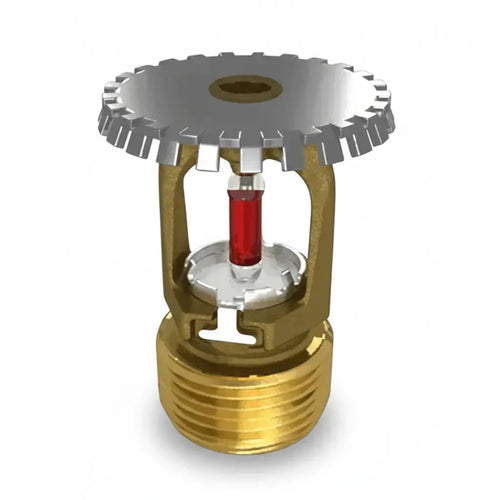
Residential fire sprinkler system maintenance parts are the specific hardware components used to restore or sustain the life-saving capabilities of a home suppression network. While the initial installation involves bulk materials, maintenance focuses on high-precision items like replacement heads, calibrated gauges, and specialized valves. These parts aren't just plumbing supplies. They are safety-critical assets designed to replace elements that have succumbed to age, environmental wear, or mechanical failure. Regular replacement of these components prevents the kind of catastrophic leaks that lead to expensive water damage; it also ensures the system actually activates during a fire.
A proactive maintenance strategy involves more than just keeping spare parts in a cabinet. It requires an understanding of how different Fire sprinkler system components interact under pressure. Common items found in a maintenance inventory include residential-grade sprinkler heads, pressure gauges, and specialized Viking Plastics CPVC Pipe for Fire Protection fittings. By addressing these smaller components before they fail, you avoid the high costs and logistical headaches of a full system overhaul.
The Role of Replacement Hardware in Home Safety
Reliability in fire protection is absolute. There is no middle ground. If a single sprinkler head becomes clogged with mineral deposits or shows signs of corrosion, the integrity of the entire suppression zone is at risk. This is why sourcing the correct residential fire sprinkler system maintenance parts is a priority for any proactive homeowner or contractor. Using verified, code-compliant hardware ensures that your system remains a valid asset in the eyes of insurance adjusters and local authorities. It's vital to separate aesthetic updates from functional repairs. While a new cover plate might look better, a new backflow preventer or a fresh supply of CPVC ensures the water actually reaches the fire. Functional maintenance is a non-negotiable requirement for long-term safety, and for homeowners with fireplaces, this same rigor should be applied by partnering with specialists like Home Safe Hearth & Chimney for regular inspections.
Key Standards: NFPA 13D and Maintenance Requirements
Standards like NFPA 13D exist to remove the element of chance from fire safety. The 2025 edition of NFPA 13D provides the framework for how residential systems must be kept. This standard emphasizes that components must be maintained to specific tolerances to ensure they operate as intended during an emergency. NFPA 13D compliance is the benchmark for residential part selection and long-term system reliability. Every replacement part, from a simple gauge to a complex residential fire pump system, must carry a UL listing or FM approval. These marks signify that the part has been tested specifically for fire service. Using unrated hardware from a general retailer isn't just a code violation. It's a gamble with the safety of the structure and its occupants.
Critical Components: Sprinkler Heads, Escutcheons, and Gauges
Maintaining a home suppression system requires a granular focus on specific residential fire sprinkler system maintenance parts that directly impact water delivery. Sprinkler heads are the most visible elements, but their performance depends on a supporting cast of trim and monitoring hardware. If any single component is compromised, the entire system's reliability is called into question. Identifying these parts correctly is the first step toward a successful maintenance cycle.
Visual inspections often reveal the most common issues, but technical specifications determine the correct remedy. You cannot simply swap one head for another based on appearance. Every component must be an exact match for the original design to ensure the hydraulic calculations remain valid and the system performs as engineered.
Residential Sprinkler Head Identification and Replacement
Every sprinkler head is engineered for a specific environment. To replace one, you must identify its Sprinkler Identification Number (SIN), which is typically stamped on the deflector. This alphanumeric code tells you the manufacturer, orifice size, and response type. You also need to verify the temperature rating, usually indicated by the color of the glass bulb or a stamp on the frame. For a deeper look at these specs, consult our guide on Fire sprinkler head temperature ratings. Replacement is mandatory if you notice "loading," which is the buildup of dust, grease, or paint. Cleaning loaded heads is often prohibited by code because it can damage the sensitive thermal element. When in doubt, replacement is the only safe path.
The Functional Importance of Trim and Escutcheons
A common misconception is that escutcheons and cover plates are merely decorative. In reality, these are functional NFPA 13D compliance items. They ensure the sprinkler head is positioned correctly within the ceiling or wall to allow for an unobstructed spray pattern. Using the wrong escutcheon can block water distribution or delay the heat-sensing bulb's activation. If your escutcheons are rusted, bent, or have been accidentally painted during a home renovation, they must be replaced. Ensure your new trim matches the specific recessed or pendent head model to maintain the required clearance for deployment. If you need to verify compatibility, you can find the right replacement fire protection hardware in our catalog.
Pressure Gauges: Monitoring System Health
Gauges are your system's heartbeat monitor. They provide the only visual confirmation that your water supply or air pressure is within the required operating range. In a wet system, the water gauge should reflect the static pressure of your local supply. In dry systems, you'll monitor both air and water gauges to ensure the valve remains closed until needed. Standards generally require that gauges be replaced every five years or tested for accuracy against a calibrated instrument. Because they are inexpensive compared to the cost of a failed inspection, most professionals opt for full replacement. Sourcing high-quality sprinkler system components online ensures you receive factory-new, calibrated units that provide peace of mind for the next five-year cycle.
Identifying Wear: When to Repair vs. Replace System Parts
A functional fire suppression system depends on the physical integrity of its components. Over time, environmental stressors and mechanical aging degrade even the highest-quality hardware. Knowing when to simply repair a component versus when to source new residential fire sprinkler system maintenance parts is critical for maintaining home safety. Visual indicators like corrosion or physical damage are obvious signals, but operational triggers, such as pressure drops during a routine check, often tell a more urgent story.
Environmental factors play a significant role in the lifespan of your hardware. Coastal homes or properties with high-humidity basements often see accelerated wear. It's helpful to Inspect a home fire sprinkler system regularly to identify these issues before they compromise the network. While some parts have a multi-decade shelf life, others, like specific seals or gauges, require more frequent replacement to stay code-compliant. Ignoring these signs doesn't just risk water damage; it risks system failure when every second counts.
Spotting Corrosion and Mineral Buildup
Corrosion is a silent threat in fire protection. If you see "green" oxidation on brass sprinkler heads, it's often a sign of a slow, weeping leak or excessive ambient humidity. This isn't just a cosmetic issue. Mineral buildup can fuse the moving parts of a head, preventing it from activating during a fire. Hard water is equally destructive, as it creates deposits on valve seats and internal seals that lead to pressure loss. Similarly, Viking Plastics CPVC Pipe for Fire Protection is incredibly durable, but it must be inspected for external stress or chemical exposure. If the pipe shows signs of discoloration or cracking, replacement is the only functional remedy to ensure the system remains life-ready.
Managing Residential Fire Pump Wear
Residential fire pump systems are the powerhouse of many 13D systems, but they contain several high-wear items. Mechanical seals and controllers are common failure points that demand attention. Because the reliability of these control systems often depends on precision electronic components, you can click here to learn about the manufacturing standards at Adage Components. A failing seal won't just leak; it can lead to pump cavitation and eventual motor failure. Pressure switches and relief valves are equally vital. If a pressure switch fails to trigger the pump during a flow test, the system is effectively useless. Identifying these failures early allows you to source the necessary Fire protection parts online and perform repairs before an emergency occurs. Reliable performance requires a commitment to replacing these high-impact components at the first sign of operational drift.
Maintenance Hardware for NFPA 13D Compliance
NFPA 13D compliance relies on more than just the pipe in the walls. It requires a suite of peripheral hardware that keeps the system accessible and operational. For most homeowners, the riser room is the central hub for this maintenance. Sourcing the correct residential fire sprinkler system maintenance parts for this area ensures that during an inspection or an emergency, there is no confusion regarding system status. It's about providing the clear communication and specialized tools needed for a rapid response.
Proper identification is mandatory under safety codes. Weathered or illegible signage on control valves can lead to dangerous delays during a repair or an emergency. A compliant system must also include a spare head cabinet mounted near the riser. This cabinet must contain the exact models installed throughout the home and the specific wrenches needed for their installation. Without these specialized tools, replacing a damaged head becomes an impossible task. If you are auditing your current inventory, you can find certified residential fire protection parts in our online store.
Essential Riser Room Maintenance Parts
The riser room requires specific components to remain functional. Control valve signs must be clearly visible and securely attached. If a sign has become detached or the text has faded, it must be replaced immediately to meet inspection standards. You must also verify the spare head cabinet is fully stocked. Code usually requires a minimum of three spare heads, but having a full set for every model in your home is a better safety practice. It's also critical to inspect the riser connection point, particularly where Viking CPVC fire sprinkler pipe meets the main water supply. Any signs of stress or hairline fractures at this junction require immediate replacement of the affected fittings to prevent a system-wide leak.
Freeze Protection: Antifreeze and Dry Pipe Maintenance
Residential systems in colder climates face the constant threat of frozen pipes. In wet systems, this is managed through the use of specialized anti-freeze solutions. These solutions must be tested annually to ensure they haven't become diluted or chemically unstable. If the concentration is off, the solution must be drained and replaced with a factory-mixed, NFPA-compliant version. For homes utilizing residential dry systems, maintenance focuses on air pressure. These systems rely on small-scale air compressors for dry sprinkler systems to maintain the supervisory pressure that keeps the water valve closed. If your compressor is running more than usual, it's a sign that a seal is failing or a dry pendent head has developed a slow leak. Replacing these high-wear items before the first frost is essential for winter reliability.
Sourcing Reliable Residential Fire Protection Parts Online
Sourcing residential fire sprinkler system maintenance parts requires a shift in mindset from standard home repair to professional life safety procurement. A general hardware retailer may stock basic plumbing fittings, but they rarely carry the UL-listed and FM-approved hardware required by the 2025 edition of NFPA 13D. When every component in your system is part of a calculated hydraulic design, there is no room for substitutes. Fire Protection Parts bridges the gap between complex safety requirements and accessible procurement by providing a dedicated platform for verified, professional-grade hardware.
Verification is the only antidote to doubt in the fire protection industry. Every replacement part you install must be tested and certified for fire service to ensure it can withstand the extreme pressures and temperatures of a suppression event. Sourcing from a specialized store ensures that your components aren't just "functional" in a general sense, but are specifically rated for the life-saving tasks they must perform. This level of adherence to standards is what provides true peace of mind for homeowners and contractors alike.
Why Quality Brands Matter for Maintenance
Quality is a non-negotiable attribute when it comes to fire safety. Viking and Viking Plastics CPVC components are industry standards because they offer the chemical resistance and pressure ratings necessary for long-term reliability. Mixing these high-tier materials with uncertified "knock-off" heads or valves creates a weak point in your system that can lead to catastrophic failure or expensive leaks. High-quality residential fire sprinkler system maintenance parts are designed for longevity. By choosing brand-name components with proven track records, you effectively reduce the frequency of future repairs and ensure that your suppression network remains life-ready for years to come.
Your Partner in Residential Fire Safety
Identifying the correct replacement part isn't always straightforward, especially when dealing with legacy systems or complex multi-family layouts. Our mission is to act as a dependable guide through the procurement process. We provide the expert support necessary to help you match SIN numbers, temperature ratings, and pipe schedules with precision. For contractors and property managers, we offer the ability to streamline bulk sourcing, ensuring that every unit in a residential complex is maintained to the same high standard of excellence. We don't just sell hardware; we provide the components that protect what matters most. Take the final step in securing your system today and Shop Residential Fire Protection Parts to ensure your home remains fully compliant and ready for any emergency.
Maintaining a Life-Ready Home for 2026
Proactive maintenance transforms a fire suppression system from a passive fixture into a dependable life-saving asset. By identifying corrosion early, verifying SIN numbers, and keeping your riser room fully stocked, you eliminate the uncertainty that often surrounds residential fire safety. Reliability depends on the physical integrity of every component in your network. Utilizing the correct residential fire sprinkler system maintenance parts ensures your system meets the rigorous standards of the 2025 NFPA 13D code and remains ready for the unexpected.
We stock industry-leading brands like Viking and offer deep expertise in NFPA 13D compliant hardware to ensure you never have to compromise on quality. With fast shipping on critical maintenance components, we help you resolve system issues before they become liabilities. Secure your home with code-compliant residential fire sprinkler parts from Fire Protection Parts. Investing in professional-grade hardware today provides the peace of mind you deserve for the long term.
Frequently Asked Questions
How often should I replace my residential fire sprinkler heads?
Residential sprinkler heads do not have a fixed expiration date but must be replaced immediately if they show signs of corrosion, loading, or physical damage. While NFPA standards often suggest testing or replacement intervals of 50 years for standard response heads, fast-response residential heads may require more frequent attention. Regular visual inspections are the most reliable way to determine if a head has reached the end of its functional life.
Can I use any brand of escutcheon for my sprinkler head replacement?
No, you must use an escutcheon that is specifically listed and approved for use with your exact sprinkler head model. Using a generic or mismatched trim piece can obstruct the water spray pattern or prevent the head from deploying correctly during a fire. Always verify that the replacement escutcheon matches the manufacturer and model number of the head to maintain system listing and safety.
What are the most common maintenance parts needed for a residential fire pump?
The most frequent requirements include replacement mechanical seals, pressure switches, and thermal relief valves. These residential fire sprinkler system maintenance parts ensure the pump triggers instantly when a pressure drop is detected. Replacing these high-wear items during routine maintenance prevents pump cavitation and motor failure, ensuring the system provides the necessary hydraulic boost when every second counts.
Is it necessary to replace fire sprinkler gauges every few years?
Yes, industry standards generally require that pressure gauges be replaced or recalibrated every five years to ensure accuracy. Gauges are precision instruments that can drift or fail due to internal fatigue or environmental exposure. Because they provide the only visual confirmation of your system's static and residual pressure, installing factory-new, calibrated gauges is the most cost-effective way to maintain operational confidence.
Can I paint my residential sprinkler head cover plates to match my ceiling?
You must never paint a cover plate yourself, as the additional layer of paint can bond the plate to the frame and prevent it from falling away during a fire. If you need a specific color, you must purchase factory-pre-painted cover plates that are listed for your specific sprinkler model. These factory finishes are tested to ensure they release at the correct temperature without delay.
What parts are required to maintain a residential dry pipe system?
Maintenance for dry systems focuses on air compressors, dry pendent heads, and supervisory pressure switches. Because these systems use compressed air to hold back the water supply, ensuring the compressor seals and check valves are in peak condition is vital. You should also regularly inspect the dry pendent heads in unheated attics for signs of internal corrosion or mechanical wear that could lead to a system trip.
How do I identify the correct replacement head for an older home system?
Locate the Sprinkler Identification Number (SIN) stamped on the deflector of the head to identify the manufacturer and performance specs. If the SIN is missing or illegible, you must match the orifice size, K-factor, and temperature rating exactly to the original design. Sourcing residential fire sprinkler system maintenance parts for legacy systems is best handled by a specialist who can verify compatibility with your existing piping and hydraulics.
Are CPVC fittings and pipes used in residential maintenance different from commercial ones?
Residential systems utilize Viking Plastics CPVC Pipe for Fire Protection, which is specifically listed for NFPA 13D and 13R applications. While the material is similar to commercial fire-rated CPVC, the pipe schedules and specific fitting configurations are often tailored to residential water supplies and flow requirements. You must always use CPVC and solvent cement that are specifically rated for fire suppression rather than standard domestic plumbing.

