

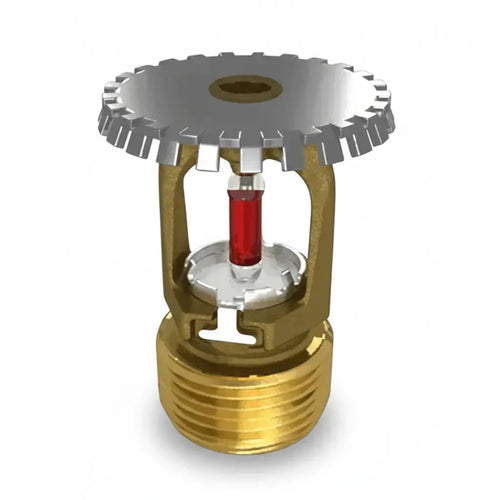


7 Fire Sprinkler Retrofit Trends to Watch
A retrofit bid can change fast once ceilings open up, pipe conditions are exposed, or an AHJ asks for a higher level of documentation than the owner expected. That is why fire sprinkler retrofit trends matter right now. For contractors, facilities teams, and specifiers, retrofit work is no longer just about replacing old components. It is about making aging systems code-aligned, easier to maintain, and more practical to support over the long term.
Retrofit demand is rising for a simple reason: a large share of commercial and industrial buildings are operating with systems installed under older standards, older occupancy assumptions, or older product availability. Add tenant improvements, insurance pressure, deferred maintenance, and labor constraints, and retrofit work starts looking less like a one-off repair and more like an ongoing capital strategy.
Why fire sprinkler retrofit trends are shifting
The biggest shift is that owners are asking tougher questions before they spend. They do not just want a system to pass inspection this year. They want to know whether the parts being installed will still be serviceable in five to ten years, whether replacements can be sourced quickly, and whether the upgrade will create new maintenance headaches.
That changes product selection. In retrofit work, the lowest upfront price often loses to availability, compatibility, and brand trust. A cheaper substitute that creates fitment issues, listing concerns, or uncertain lead times can erase any savings once crews are back on site for rework.
There is also a compliance reality. Many retrofit projects happen in occupied buildings where downtime is expensive and sequencing matters. Work has to be planned around access limits, permit schedules, inspections, and partial system shutdowns. That makes dependable components and clear documentation more valuable than ever.
1. Targeted retrofits are replacing full-system overhauls
One of the clearest fire sprinkler retrofit trends is the move toward selective upgrades. Owners are often phasing work by riser, floor, tenant space, or known failure point instead of replacing an entire system at once.
In practice, that means more projects built around specific components such as aging valves, backflow assemblies, trim packages, sprinkler heads, compressors for dry systems, and corroded sections of pipe. This approach makes sense when budgets are tight or building operations cannot support a broad shutdown. It also creates more demand for parts that match existing configurations and listings without forcing unnecessary redesign.
The trade-off is that piecemeal work requires tighter coordination. If one section is upgraded and another remains untouched, contractors need to think carefully about hydraulic impacts, material compatibility, and inspection expectations. A phased retrofit can save money, but only when it is engineered and sourced with the full system in mind.
2. Corrosion management is driving more retrofit decisions
Corrosion is no longer treated as a background maintenance issue. In many retrofit scopes, it is the reason the job exists at all. Pinhole leaks, scale buildup, trapped moisture, and recurring dry system trouble are pushing owners to address root causes instead of repeatedly patching failures.
That has increased interest in replacing vulnerable sections with better-matched materials and updating supporting components that affect system conditions. On dry and preaction systems, for example, air management and compressor performance play a bigger role in retrofit planning than they did a decade ago. The same goes for trim components and valves that have been kept in service well past their practical life.
This trend matters because corrosion-related retrofits are rarely solved by a single part swap. Contractors are looking at the broader operating environment - pressure fluctuations, trapped condensate, poor drainage, and aging internals. The more complete the diagnosis, the more likely the retrofit holds up.
3. Component compatibility is getting more attention
Retrofit projects live or die on fit, listing, and system compatibility. That sounds obvious, but it is becoming a bigger issue as older buildings mix legacy equipment with newer replacement products.
A sprinkler head replacement is not just a sprinkler head replacement if escutcheon depth, temperature rating, response type, thread compatibility, or finish requirements affect the result. The same is true for valves, riser components, CPVC fittings, and backflow devices. Buyers are spending more time confirming exact specs because the cost of getting it wrong is high - especially when ceilings, access equipment, and labor are already committed.
This is one reason trusted manufacturers continue to dominate retrofit purchasing. Contractors and facilities teams want known performance, current listings, and reliable documentation. Generic substitutions may look acceptable on paper, but if they create uncertainty during inspection or installation, they add risk the job does not need.
4. Documentation and traceability are part of the job now
Another of the more practical fire sprinkler retrofit trends is the growing expectation for cleaner paperwork. Product data, listings, submittals, replacement records, and clear part identification are becoming standard requirements, not extras.
Part of that is driven by AHJs and insurers. Part of it comes from owners who have inherited buildings with incomplete records and do not want the same problem after the retrofit is done. When replacement parts are clearly documented by model, manufacturer, and approval status, future inspections and service calls get easier.
For purchasing teams, this shifts value toward suppliers that can support exact product identification and custom quote accuracy. Speed still matters, but speed without traceability can create expensive confusion later. A fast shipment is only useful if the part arrives as specified and can be documented with confidence.
5. Occupied-building retrofits are shaping product choices
A lot of retrofit work now happens in buildings that cannot simply shut down for a week. Hospitals, multifamily properties, warehouses, schools, retail sites, and active commercial facilities all put pressure on installation windows.
That is affecting what contractors buy. Products that simplify changeouts, reduce call-backs, and shorten install time have a real advantage in retrofit settings. So do readily available parts from established brands, because lead-time surprises can ripple across a project schedule.
This does not mean every job should default to the fastest-install option. Some projects still demand more extensive rework for code or performance reasons. But in occupied spaces, labor efficiency and dependable availability now carry more weight in the buying decision than they used to.
6. Retrofit work is becoming more brand-driven
When a new build is value-engineered aggressively, buyers may have more flexibility. Retrofit work is different. Existing system conditions, owner expectations, and inspection risk tend to push purchasing toward brands with proven field history.
That is especially true for critical components such as valves, sprinkler heads, backflow preventers, dry system accessories, and detection-related interfaces tied to suppression performance. Buyers want products that are recognized, supported, and easier to match to existing conditions. They also want manufacturer warranties and confidence that replacement parts will still be obtainable.
This is where distribution matters. A specialized source like Fire Protection Parts can help contractors and facilities buyers stay with trusted manufacturers rather than settling for whatever happens to be available through a general supply channel. In retrofit work, avoiding the wrong substitute is often as valuable as finding the right part quickly.
7. Smarter scoping is reducing emergency retrofits
The best retrofit jobs are not emergencies. More owners are using inspection findings, recurring deficiency patterns, and known end-of-life components to plan upgrades before a failure forces the issue.
That does not eliminate surprises once a project starts, but it does improve decision-making. Instead of reacting to a leak, failed valve, or obsolete device at the worst possible time, teams can align procurement, scheduling, and permitting in advance. They can also standardize parts across a facility or portfolio, which makes future maintenance simpler.
This trend favors buyers who know how to distinguish between a repair part and a retrofit opportunity. If a building keeps cycling through the same service calls, the lowest-cost short-term fix may be the expensive choice over time.
What these trends mean for buyers
For contractors, the message is straightforward: retrofit success depends as much on sourcing discipline as installation skill. Exact product matching, code-compliant replacements, and realistic lead-time planning are now core parts of project execution.
For facilities teams and procurement groups, the takeaway is slightly different. The right retrofit purchase is not always the broadest scope or the cheapest part. It is the option that solves the actual system issue, holds up under inspection, and can be supported later without a scavenger hunt for obsolete components.
That usually means asking a few practical questions early. Is the part aligned with the existing system and current code requirements? Is it from a manufacturer with a strong support footprint? Can the replacement be documented clearly for future service? And if the project is phased, will this choice still make sense when the next section of the building is upgraded?
Retrofit work has always required judgment. What is changing is the margin for error. Buildings are older, owners are more cost-sensitive, and compliance expectations are not getting lighter. The teams that handle this work well are the ones that treat parts selection as part of the protection strategy, not just the purchasing task.
If current fire sprinkler retrofit trends point in one direction, it is this: better outcomes come from planning around reliability, compatibility, and long-term serviceability from the start.

