



Residential Fire Pump System Cost: 2026 Price Guide and Cost Factors
Your home's safety shouldn't be a guessing game, yet many homeowners realize too late that their municipal water pressure isn't strong enough to power a life-saving sprinkler system. This realization often leads to a frantic search for the residential fire pump system cost and a mountain of technical jargon. It's frustrating to face NFPA 13D compliance requirements without a clear price tag or a list of necessary components. You want to protect your family, but you also need to protect your budget from unexpected electrical upgrades and installation fees.
We understand that the gap between code requirements and your actual water supply can feel like a financial trap. This guide eliminates that uncertainty by breaking down the primary drivers of residential fire pump costs, from hardware components like Viking Plastics CPVC pipe to long-term maintenance needs. You'll gain a realistic estimate of total project expenses and learn how to source code-compliant parts that guarantee performance. We'll explore the difference between pump-only setups and integrated tank packages so you can make an informed, safety-first decision for your home.
Key Takeaways
- Understand how NFPA 13D standards dictate your system requirements and why a pump is essential when municipal pressure falls short.
- Learn how pump horsepower and tank capacity directly impact the total residential fire pump system cost and overall hardware budget.
- Discover why choosing Viking Plastics CPVC pipe for fire protection reduces material costs and simplifies system integration compared to traditional piping.
- Identify the differences between standard plumbing and specialized fire protection labor to avoid hidden expenses during the installation phase.
- Plan for long-term reliability by budgeting for annual churn testing and routine maintenance to prevent shaft damage and ensure system readiness.
What is a Residential Fire Pump System and Why is it Necessary?
A residential fire pump system is a specialized assembly of hardware designed to ensure your home's fire sprinklers have enough water pressure to operate effectively. It's more than a simple motor; it's a dedicated life-safety tool. For many homeowners, understanding What is a Fire Pump is the first step in recognizing how these systems bridge the gap between weak municipal water supplies and the high-pressure demands of modern sprinkler heads. This equipment serves as a backup that guarantees your protection system won't fail when you need it most.
The 2025 edition of NFPA 13D sets the standard for these systems in one- and two-family dwellings. This code isn't just a suggestion. It's a calculated safety requirement designed to give residents at least 10 minutes to escape a fire by controlling its spread. When local water mains can't provide the necessary flow, a pump becomes a non-negotiable insurance policy for your property. Infrastructure in many areas is aging or wasn't built for modern residential growth. This often leads to insufficient pressure during peak usage hours. Understanding the residential fire pump system cost starts with recognizing that this equipment is the difference between a functional safety system and a decorative one.
The Core Components of a Residential System
Every reliable system relies on three primary elements. The fire pump serves as the heart, providing the hydraulic lift required to move water through the pipes. A dedicated storage tank ensures you have a guaranteed water supply regardless of what's happening with the municipal grid. This is particularly vital in rural areas where well water might be the only source. Finally, the controller acts as the brain. It monitors pressure levels and activates the pump the moment a sprinkler head opens and pressure drops. These components work together to provide peace of mind through professional-grade engineering.
When Do You Actually Need a Pump?
You might need a pump if your static water pressure is low or if your home is located on a hill far from the water main. Friction loss in long pipe runs can significantly reduce pressure by the time water reaches the furthest sprinkler. Multi-story homes often face this challenge because water loses pressure as it fights gravity to reach upper floors. A fire protection professional will perform hydraulic calculations to determine if your residual pressure meets NFPA 13D standards. If it doesn't, a pump is the only way to achieve compliance and ensure total protection. It's about eliminating doubt and ensuring your family is safe.
Primary Hardware Factors Influencing Purchase Cost
Hardware accounts for the largest portion of your initial investment. The horsepower (HP) and gallons per minute (GPM) ratings are the primary drivers of the total residential fire pump system cost. A larger home with more sprinkler heads requires a higher GPM to maintain the 2025 NFPA 13D standards. This demand for higher flow directly scales the price of the pump motor and the internal impeller system. Sourcing a pre-assembled skid often provides a more reliable solution because components are factory-tested for compatibility. You can browse residential fire pump systems to see how these configurations differ based on your home's specific hydraulic needs.
Material quality is another variable that dictates longevity and price. Most residential setups utilize high-density polyethylene (poly) tanks because they are corrosion-resistant and cost-effective. However, in environments where extreme durability is required, stainless steel tanks are available at a higher price point. Choosing between a pre-engineered package and sourcing individual components is a critical decision. While individual parts might seem cheaper upfront, the labor required to align, pipe, and test them often exceeds the cost of a pre-assembled unit. Professional-grade skids eliminate the guesswork and ensure every valve and fitting meets safety standards.
Pump Selection: Vertical vs. Horizontal Split Case
Many residential garages or utility rooms have limited floor space. Vertical in-line pumps are the most popular choice for these applications because they occupy a significantly smaller footprint. While horizontal split case designs are common in industrial settings, they are rarely used in homes unless the flow requirements are exceptionally high. Regardless of the physical design, ensuring the unit meets the NFPA 20 Standard is critical for insurance approval. UL Listing and FM Approval provide the verification that the hardware will perform during a fire, which is a non-negotiable requirement for residential safety.
Storage Tank Variables
Tank capacity is determined by the required run-time of your sprinklers. Most residential systems must provide a 7 to 10-minute water supply. A 300-gallon tank is often sufficient for smaller dwellings, but larger estates or those with higher-hazard classifications frequently require 400-gallon models. You must also consider physical access during the planning stage. If a tank is too wide to fit through a standard 30-inch doorway, you'll face expensive structural modifications. Atmospheric tanks are the standard for residential use, as they are simpler to maintain than pressurized alternatives and provide a reliable, gravity-fed supply to the pump intake.
Total Project Budget: Installation and Materials
Calculating the total residential fire pump system cost requires looking beyond the hardware on the pallet. Installation labor and auxiliary materials often represent a significant portion of the final invoice. You aren't just paying for pipe and wire; you're paying for the specialized expertise required to meet life-safety codes. Most standard plumbers lack the specific certifications needed for fire protection systems. Hiring a dedicated fire protection contractor is essential. These specialists understand the nuances of hydraulic pressure and NFPA compliance, which justifies their higher hourly rates compared to general residential contractors.
Permitting and inspection fees are another mandatory budget line item. Every jurisdiction has different requirements for system sign-off. Local fire marshals must verify that the pump, tank, and piping are installed exactly as designed before the system is commissioned. This process ensures your home meets the benchmarks outlined in the U.S. Fire Administration guide for residential safety. Skipping these steps can lead to insurance denials or system failure during an emergency. Professional installation provides the verification you need for total peace of mind.
The Role of CPVC in Reducing System Costs
Material selection directly impacts labor hours. Using Viking Plastics CPVC pipe for fire protection is a strategic way to manage your budget. Unlike heavy steel pipe that requires specialized threading equipment and multiple installers, CPVC is lightweight and uses a simple solvent-cement joining process. This ease of installation can significantly reduce the time a contractor spends on-site. Furthermore, CPVC is naturally resistant to corrosion and scale buildup. This longevity prevents the "hidden" costs of premature pipe replacement. Sourcing your sprinkler system components online allows you to secure all necessary fittings and pipe in one shipment, streamlining the logistics of your build.
Electrical and Structural Considerations
Your home's infrastructure must be ready to support the new equipment. A fire pump requires a dedicated electrical circuit to ensure it has power even if other breakers trip. In some regions, backup power sources or secondary controllers are necessary to maintain protection during grid failures. You must also evaluate the structural integrity of your installation site. A full 400-gallon water tank weighs more than 3,300 pounds. Your concrete slab must be thick enough to support this concentrated load without cracking. If you are also considering other high-performance water systems for your home, you can learn more about the structural and electrical requirements for Iceology Cold Plunge units. If you live in a high-risk zone, you'll also need to budget for ASC seismic bracing to secure the tank and pump during an earthquake. These technical details ensure the system remains functional when it matters most.

Operational Costs: Maintenance and Reliability
Reliability isn't a one-time purchase. It's a commitment to regular upkeep. While the initial residential fire pump system cost covers the hardware, your long-term budget must account for annual churn testing. Industry averages for electric pump testing typically hover around $1,200. This procedure verifies that the pump can reach its rated pressure without overheating. Ignoring this simple check can lead to catastrophic failure when the system is actually needed. Professional-grade "Premium" systems often feature better accessibility for these tests, which can slightly reduce the labor hours billed by your technician compared to lower-end "Econo" models.
You must also clear drip pockets and clean drain lines regularly. Sediment buildup in these areas leads to shaft damage or motor burnout. Every few years, you should anticipate replacing the pump packing and gland halves. This is a specialized task that typically costs between $2,000 and $3,000. It sounds expensive, but the cost of neglect is far higher. A seized pump or a burnt-out motor can easily result in repair bills exceeding $10,000. Regular maintenance isn't just about code compliance; it's about protecting the significant investment you've made in your home's safety.
NFPA 25 Requirements for Residential Owners
NFPA 25 dictates the inspection and testing standards for water-based fire protection systems. For residential owners, this includes a monthly "no-flow" test. You simply run the pump for a few minutes to ensure the controller and motor activate correctly. It's essential to keep a detailed log of these tests. Local fire marshals often request these records during routine inspections or property transfers. Many homeowners find peace of mind by signing a preventative maintenance contract. This ensures a professional handles the technical details while you maintain a perfect compliance record.
Spare Parts and Accessories
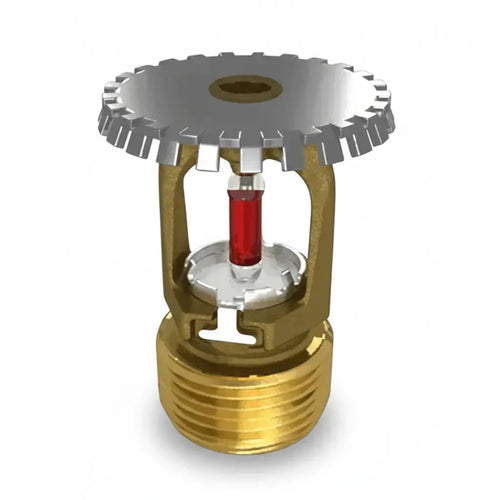
Keeping essential fire protection parts online in your inventory allows for immediate repairs. If a seal leaks or a gauge fails, you don't want to wait weeks for a shipment. Using OEM parts is vital for maintaining system integrity and warranty coverage. You should also be familiar with your fire sprinkler head temperature ratings. If a head is damaged or needs replacement, installing one with the wrong rating can compromise the entire system's activation timing. Always use verified components to ensure your system remains a reliable shield for your family.
Order your replacement fire pump components today to ensure your system stays code-compliant and ready for action.
Sourcing Your Residential Fire Pump System
Sourcing a fire pump isn't like buying a standard water heater. You need hardware that carries UL Listing and FM Approval to ensure it performs under pressure. General big-box stores often stock pumps that look similar but lack these critical life-safety certifications. Choosing a specialized fire protection retailer ensures every component is code-compliant from the start. This professional approach eliminates the risk of an inspector rejecting your system after it's already installed. For contractors, dedicated e-commerce platforms offer the advantage of bulk pricing and fast shipping. These logistics ensure the residential fire pump system cost stays within the project's original estimate while maintaining a strict timeline.
Buying from an expert vendor provides a layer of protection that general retailers can't match. You gain access to a supply chain that understands the urgency of fire safety. When you buy through a specialized partner, you're investing in verified hardware designed for longevity. This prevents the frustration of mid-project delays caused by incompatible fittings or non-compliant controllers. Professional sourcing is about more than just a transaction; it's about securing a mission-driven partner who values excellence and safety above all else.
Choosing a Trusted Partner
You need a supplier that offers more than just a checkout button. Professional sourcing requires deep technical knowledge and access to a full suite of compatible hardware. For example, sourcing seismic bracing for sprinkler systems alongside your pump ensures the entire assembly is stabilized according to local code. Fire Protection Parts streamlines this procurement process by acting as a single-source partner for pumps, controllers, and Viking Plastics CPVC. This integration prevents the delays that occur when parts from different vendors don't fit together correctly. It's a methodical approach that respects your time and your budget.
Ensuring Long-Term Performance
Verify the reputation of the brands you choose before finalizing your order. Names like Viking and Viking Plastics are industry standards for a reason. They offer robust warranties and proven performance in real-world conditions. Before you hit "buy," run through a final checklist. Ensure you have your hydraulic calculations ready. Confirm that your utility room has the physical space for both the pump and the storage tank. Verify that your electrical panel can handle the dedicated circuit required for the controller. Once these factors are confirmed, you're ready to proceed with your 2026 residential project. Professional sourcing is the final step in securing peace of mind and unwavering protection for your home.
Invest in Unwavering Protection for Your Family
Achieving total home safety requires a methodical approach to system design and procurement. You now understand that the residential fire pump system cost is a balance of high-performance hardware, smart material choices like Viking Plastics CPVC, and a commitment to professional installation. By prioritizing UL-listed components and following NFPA maintenance standards, you eliminate the uncertainty that often plagues residential safety projects. Protecting your property is a serious responsibility, but with the right technical guidance, it's entirely manageable.
Don't leave your family's safety to chance or unverified hardware. Sourcing your components from a specialized retailer ensures that every valve, pipe, and pump meets the highest industry standards for reliability. Browse Residential Fire Pump Systems and Components at Fire Protection Parts to find the code-compliant parts you need for your 2026 project. We're here to help you build a system that delivers professional performance and absolute peace of mind. Your proactive steps today ensure a safer tomorrow.
Frequently Asked Questions
How much does a typical residential fire pump system cost in 2026?
The total residential fire pump system cost is primarily driven by the horsepower and flow rate requirements of your specific floor plan. Larger homes or those with high-hazard classifications need more power to push water through the pipes. You must also account for whether you're purchasing a standalone pump or an integrated pump-and-tank package. These variables ensure your system meets the hydraulic demands calculated by your fire protection engineer.
Do I need a water tank if I have a residential fire pump?
You typically need a water tank if your municipal supply cannot provide the required volume of water for the mandatory run-time. While a pump increases pressure, it cannot create water that isn't there. A dedicated storage tank acts as a reservoir; it ensures the pump has a steady supply to protect your home for the duration required by NFPA 13D standards.
Can I install a residential fire pump myself to save money?
You shouldn't attempt a DIY installation because residential fire pumps are life-safety devices that require professional certification. Improper installation can lead to system failure, insurance denials, and code violations. Licensed fire protection contractors ensure the pump is correctly wired, piped, and calibrated. Professional installation provides the verification needed for long-term reliability and total peace of mind.
What are the electrical requirements for a home fire pump?
A residential fire pump requires a dedicated electrical circuit and a specialized controller to ensure it remains operational during an emergency. Most home systems run on 240V single-phase power. The wiring must be sized correctly to handle the motor's starting current without tripping breakers. It's essential to have a licensed electrician coordinate with your fire protection specialist to meet all local and national electrical codes.
How often does a residential fire pump need to be tested?
You should perform a no-flow churn test every month and a full performance test once a year. The monthly test ensures the motor and controller activate correctly; the annual test verifies the pump can still meet its rated pressure and flow. Keeping a detailed log of these tests is vital for local fire marshal inspections and maintaining your 2026 compliance records. Regular testing identifies potential issues before they become expensive repairs.
Will a fire pump increase my home insurance premiums?
What is the difference between a jockey pump and a main fire pump?
A jockey pump is a small pump designed to maintain pressure in the pipes, while the main fire pump provides the high-volume flow needed during a fire. The jockey pump prevents the main pump from starting unnecessarily due to minor leaks or pressure fluctuations. This setup protects the main motor from excessive wear and tear. Together, they ensure the system is always pressurized and ready to activate the moment a sprinkler head opens.
Does NFPA 13D require a fire pump for all new homes?
NFPA 13D doesn't mandate a pump for every home; it only requires one when the existing water supply is insufficient. If your local water main or well pump can provide enough pressure to meet the system's hydraulic calculations, you can skip the pump. However, as infrastructure ages or residential areas expand, many homeowners find that a pump is the only way to achieve the flow rates required for modern life-safety standards. This necessity is a major factor in the overall residential fire pump system cost.

