



Data Center Fire Suppression System Components: The 2026 Sourcing Guide
What if the very system designed to save your data center becomes the primary cause of its most expensive outage? It's a valid fear for facility managers who know that a single incompatible valve or a faulty compressor can lead to accidental discharge or catastrophic water damage. Selecting the right data center fire suppression system components isn't just about following a checklist. It's about ensuring that every mechanical part, from deluge valves to specialized seismic bracing, works in perfect harmony to protect high-density workloads and lithium-ion battery backups.
You already understand that downtime is not an option and that meeting updated NFPA 75 and 76 standards is non-negotiable for your 2026 operations. We promise to help you identify every critical hardware component required for a code-compliant, failsafe system. This guide provides a clear overview of the mechanical requirements for your facility, covering everything from PTR Electric Deluge VXD valves to ASC seismic bracing and dedicated air compressors. You'll gain the expert confidence needed to source parts that eliminate doubt and ensure long-term performance in an era of tightening EPA regulations and evolving safety codes.
Key Takeaways
- Master the hardware requirements of NFPA 75 and 76 to ensure your facility remains fully compliant with updated 2026 safety standards.
- Identify the essential data center fire suppression system components for pre-action setups, including the critical role of the PTR Electric Deluge VXD valve.
- Evaluate the performance benefits of Viking Plastics CPVC piping and learn why ASC seismic bracing is a non-negotiable requirement for system stability.
- Understand the mechanical precision required for clean agent delivery, from high-pressure storage cylinders to engineered discharge nozzles.
- Streamline your procurement process by learning how to source verified, code-compliant hardware for routine repairs and critical system upgrades.
Essential Architectures for Data Center Fire Suppression
A data center fire suppression system is a specialized network of detection and suppression hardware designed to extinguish fires without damaging sensitive electronics. In a facility where a single minute of downtime can cost thousands, standard fire protection isn't sufficient. You need an architecture that understands the unique risks of high-density server racks and lithium-ion battery backups. Selecting the right data center fire suppression system components starts with understanding how these systems interact with your environment.
Industry standards like NFPA 75 and NFPA 76 serve as the foundation for component selection. These codes dictate everything from detection sensitivity to the required density of suppression agents. NFPA 75 specifically mandates that data processing areas have automatic protection, whether it's a gaseous clean agent system, a sprinkler system, or a hybrid of both. Following these standards isn't just about passing inspections; it's about ensuring your hardware is verified to perform under extreme conditions.
Facility managers generally avoid "wet pipe" sprinkler systems in the white space. In a wet pipe setup, water sits in the pipes directly above your servers at all times. A single mechanical failure or accidental impact on a sprinkler head could lead to catastrophic water damage. Instead, professionals look toward clean agents or pre-action architectures that offer layers of protection against accidental discharge. It's a choice between immediate risk and managed safety.
The Clean Agent Path: Gaseous Suppression
Gaseous fire suppression systems are the preferred choice for protecting high-value IT assets. These systems use chemical agents or inert gases to stop a fire by removing heat or oxygen without leaving a trace of residue. The primary hardware includes high-pressure storage cylinders, electric actuators, and discharge nozzles engineered for specific flooding patterns. Because these systems discharge rapidly, you must also install pressure relief vents to prevent structural damage to the room during a release event. This ensures the fire is out and your walls stay standing.
The Pre-Action Path: Protecting Against Accidental Discharge
Pre-action systems are the gold standard for water-based data center protection. They utilize a dual-interlock mechanism that requires two independent events before water enters the piping: a smoke detection trigger and the heat-activation of a sprinkler head. This failsafe design ensures that a broken pipe or a bumped head won't result in an accidental leak. Critical hardware for this setup includes the pre-action control valve and a dedicated supervisory air system. This air system monitors the pipes for leaks, providing peace of mind that the system is ready to act only when a real fire is confirmed.
Pre-Action and Dry Pipe System Hardware Components
While the suppression agent often gets the most attention, the mechanical infrastructure is what ensures the system performs when seconds count. In a data center, the goal is to keep water out of the piping until a fire is confirmed. This strategy relies on a specific set of data center fire suppression system components that manage pressure and control flow with surgical precision. If one valve fails or a compressor loses power, the entire safety net collapses, leaving your hardware vulnerable to either fire or accidental water damage.
The control valve is the heart of this water-exclusion strategy. In modern facilities, electric deluge valves like the PTR Electric Deluge VXD have become the standard. These valves provide a fast-acting response to electronic signals from smoke detectors. They're designed for compact footprints, making them ideal for the tight mechanical rooms often found in urban data centers. Beyond the main deluge valve, you'll need OS&Y (Outside Screw and Yoke) valves. These are essential because they provide a clear visual confirmation of whether the system is open or closed, eliminating guesswork during maintenance or emergencies.
Compliance with NFPA 75 standards for data center fire protection requires these mechanical systems to be robust and verifiable. This includes the installation of backflow preventers to ensure that the fire protection water doesn't contaminate the building's potable supply. Every piece of hardware must be rated for the specific pressures of your facility to maintain total system integrity.
Air Supply and Supervisory Pressure
Dry pipe and pre-action systems can't function without a reliable air compressor for dry pipe sprinkler supply. This compressor maintains "supervisory pressure" within the pipes. If a leak occurs or a sprinkler head is damaged, the drop in air pressure triggers an immediate alarm without releasing water. An air maintenance device is used to regulate this pressure, ensuring it stays within a narrow, safe range. High-sensitivity pressure switches monitor these levels 24/7, providing the early warning needed to prevent false discharges. If you're currently designing a new layout, you can source these critical air maintenance components here to ensure your system meets 2026 specifications.
Control Valves and Deluge Hardware
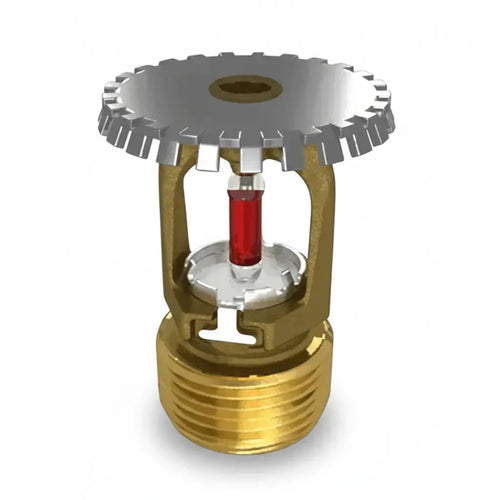
To finish the assembly, you must consider the "drops" or the points where the water actually exits the system. Dry pendent sprinklers are used in areas where temperatures might drop or where you want to ensure no water sits in the drop nipples. This hardware prevents "ice plugs" or stagnant water from causing corrosion or leaks directly above server racks. By combining these specialized sprinklers with check valves for system isolation, you create a layered defense that protects your data while remaining ready to act. Selecting high-quality data center fire suppression system components ensures that your mechanical infrastructure is just as smart as the servers it protects.
Clean Agent Delivery Components and Hardware
Gaseous suppression systems represent the peak of non-destructive fire protection. While the chemical agent is the extinguishing medium, the delivery hardware determines whether the fire is suppressed or the room is simply filled with expensive gas. Selecting the right data center fire suppression system components for clean agent delivery requires a focus on high-pressure integrity and rapid discharge capabilities. These systems must flood a protected space within seconds to stop a fire before it causes hardware failure.
The system begins with agent storage cylinders. These are DOT-rated, high-pressure vessels designed to hold chemical agents like FM-200 or inert gases under extreme tension. Connecting these tanks to the piping network is the electronic actuator. This component acts as the critical bridge between your detection system and the physical release of the agent. Without a verified, fast-acting actuator, even the most sensitive smoke detector can't trigger a response. For safety and control, manual pull stations and abort switches provide the necessary human interface. The abort switch is particularly vital. It allows personnel to pause a discharge if a false alarm is identified, preventing the high cost of agent replacement and unnecessary downtime.
Nozzle Placement and Engineering
Engineering discharge nozzles for a modern data center is complex due to high-airflow environments. Hot and cold aisle containment systems create pressure differentials that can deflect a standard gas discharge. Nozzles must be placed to ensure total flooding even when server fans are at full speed. A significant trend for 2026 is the use of silent nozzles. These are engineered to reduce the acoustic decibel levels during discharge, which prevents the vibration-induced head crashes in hard disk drives (HDDs) that standard high-pressure nozzles can cause. While you focus on gaseous protection for the white space, don't forget to source fire sprinkler heads online for adjacent hallways and loading docks to maintain full building compliance.
Detection and Notification Integration
Speed is everything. Aspirating smoke detection, often referred to as VESDA, is the standard for triggering clean agent systems. These units "sniff" the air for microscopic combustion particles long before a standard heat detector would react. Once triggered, the system relies on notification appliances like horn-strobes and warning signs to clear the room of personnel. Finally, the system must integrate with HVAC shutdown components. If your cooling system continues to circulate air during a discharge, it will dilute the agent and potentially exhaust it from the room, rendering the suppression effort useless. Verified dampers and relay switches ensure the agent stays where it's needed most.

Structural and Piping Components for Data Centers
The suppression agent and control valves are vital, but they rely on a structural backbone to function. In high-density server environments, the choice of piping and support hardware is a critical design decision. These data center fire suppression system components must withstand high pressure and environmental stressors while maintaining a clean, corrosion-free interior. If your piping fails under stress, the most advanced clean agent in the world won't save your hardware.
Traditionally, black steel was the default for fire protection. However, many modern facilities now prefer Viking CPVC fire sprinkler pipe. This material offers significant advantages in specific zones. It's lighter than steel, making it easier to install around complex cable trays and overhead obstructions. More importantly, it resists the internal scaling and corrosion that can clog discharge nozzles over time. In a data center, where air quality and hardware cleanliness are paramount, a non-corrosive piping solution is a major asset.
Supporting these pipes requires heavy-duty all-thread rods and hangers. These aren't generic hardware store items. They must be rated for the specific loads of a fully charged fire protection system. When routing pipe above expensive racks, there's no room for compromise on structural integrity. Every hanger must be verified to hold the weight of the system during a discharge event, when the force of moving water or gas is at its peak.
Seismic Protection for High-Density Environments
Data centers are often located in tech hubs prone to geological activity. This makes seismic bracing for sprinkler systems a mandatory requirement under NFPA 13. A complete seismic restraint system includes specialized braces, clamps, and ASC Engineered Solutions hardware. These components prevent the piping from swinging or breaking during an earthquake. Without verified bracing, even a minor tremor could cause a major pipe rupture, flooding your facility and destroying your servers. Ensuring your system stays anchored provides an essential layer of professional assurance.
Piping and Fittings for Clean Installation
Beyond the main runs, the choice of fittings determines the system's longevity. Using CPVC fire protection fittings minimizes the risk of pinhole leaks that plague older steel systems. In non-conditioned support rooms or loading docks where temperatures might fluctuate, using anti-freeze for fire protection is a smart remedy to prevent pipe bursts. For the high-load demands of a server room, sourcing high-grade all-thread rods and heavy-duty hangers is the final step in a robust installation. You can browse our full inventory of structural fire protection hardware here to find components that meet your specific facility requirements.
Maintenance and Sourcing: Ensuring System Reliability
Maintaining a 100% uptime environment requires more than just a high-end initial installation. It demands a rigorous maintenance schedule and a reliable supply chain for replacement hardware. Even the most robust data center fire suppression system components are subject to environmental wear and mechanical fatigue. For broader safety infrastructure such as fire shelters and specialized gas valves, you can check out Estribofire to ensure your facility is equipped with durable, long-lasting hardware. Gaskets can degrade, pressure switches can drift out of calibration, and air compressors can lose efficiency after years of continuous supervisory service. Identifying these common failure points during annual and semi-annual inspections is the only way to prevent a system-wide failure.
For mission-critical facilities, downtime for repairs is unacceptable. This is why developing a comprehensive spare parts inventory is a best practice for 2026. Having essential hardware on-site allows for immediate remedies when a component shows signs of fatigue. When you need to replenish that inventory, sourcing fire protection parts online from a specialized provider ensures you receive code-compliant hardware without the delays of traditional procurement. It's a proactive approach that eliminates doubt and keeps your facility ready for any emergency.
Compliance and Standards
Every component in your system must carry a UL Listing or FM Approval. These certifications are your proof that the hardware has been tested to survive the high-stakes environment of a data center. Part of your readiness checklist should include a detailed log of fire sprinkler head temperature ratings throughout the facility. This ensures that if a head is replaced during maintenance, the new unit matches the thermal requirements of that specific zone. It's a small but vital detail that prevents accidental discharge or a delayed response during a fire.
Sourcing Professional-Grade Hardware
When it comes to hardware, prioritize brands with a proven track record for longevity, such as Viking. High-quality data center fire suppression system components are engineered to tighter tolerances and built with superior materials. Purchasing through a specialized e-commerce provider offers the fast turnaround required to keep your facility in continuous compliance with NFPA standards. Our final recommendation is simple: never prioritize price over reliability for mission-critical components. The cost of a component failure far outweighs the savings of a cheaper part. Choose verified excellence to protect your infrastructure and your peace of mind.
Securing Your Infrastructure for 2026 and Beyond
Protecting a modern data center requires a shift from reactive repairs to proactive system management. You've seen how the right mix of pre-action valves, clean agent actuators, and seismic bracing creates a layered defense against both fire and accidental discharge. Reliability isn't just a goal; it's a requirement for every mechanical part within your facility. Selecting verified data center fire suppression system components is the final step in building a resilient infrastructure that meets the rigorous demands of NFPA 75 and 76.
In addition to fire safety, maintaining mission-critical energy infrastructure is paramount for 2026 operations; to ensure your backup power systems are fully supported, visit Secure Supplies Group.
When you need to source hardware that won't fail when seconds count, trust a partner that prioritizes code compliance and professional excellence. We provide the expert technical support and high-performance parts facility managers depend on to stay operational. As an authorized retailer for Viking and ASC Engineered Solutions, we offer UL-listed and FM-approved hardware designed for longevity.
Browse Professional Data Center Suppression Components at Fire Protection Parts
Equip your facility with confidence and ensure your mission-critical assets remain protected for years to come. Making the right choice today provides the peace of mind you need for tomorrow's challenges.
Frequently Asked Questions
What are the essential components of a data center fire suppression system?
Essential data center fire suppression system components include high-sensitivity smoke detection (VESDA), control valves like the PTR Electric Deluge VXD, and specialized suppression agents. Beyond the agents themselves, you need structural hardware like ASC seismic bracing and Viking Plastics CPVC pipe to ensure the system remains operational during an emergency. These mechanical parts work together to detect, contain, and extinguish fires with surgical precision.
Why are pre-action systems preferred over standard wet pipe systems in server rooms?
Pre-action systems are the preferred choice because they provide a failsafe against accidental water damage. In a standard wet pipe system, water sits in the pipes 24/7 directly above your server racks. Pre-action architectures require a dual-trigger event, typically a smoke detection signal and a heat-activated sprinkler head, before water enters the piping. This multi-stage verification protects your IT equipment from leaks caused by mechanical accidents or pipe fatigue.
What is the difference between NFPA 75 and NFPA 76 regarding suppression components?
NFPA 75 is the primary standard for the protection of information technology equipment, focusing on the data center environment itself. NFPA 76 applies specifically to telecommunications facilities, which often house data centers but have different requirements for network continuity. Both standards dictate the types of data center fire suppression system components you must source to ensure your facility is code-compliant and protected against total loss.
How often do data center fire suppression components need to be inspected?
Most mechanical components require semi-annual or annual inspections to remain compliant with NFPA standards. Clean agent cylinders and actuators typically need a professional check every six months to ensure pressure levels are correct. Sprinkler system hardware, including pre-action valves and air compressors, generally undergoes a full functional test once per year to verify that the mechanical response is fast and accurate.
Can I use CPVC piping for fire suppression in a data center?
Yes, Viking Plastics CPVC pipe for fire protection is a common choice for modern data centers. It's often preferred over traditional black steel because it resists internal scaling and corrosion. This prevents rust particles from clogging delicate discharge nozzles. Additionally, its lightweight design makes it easier to install in the tight, overhead spaces often found in server rooms and cable tray environments.
What is a silent nozzle and why is it used in data centers?
A silent nozzle is a specialized discharge component engineered to reduce the acoustic decibel levels during a gaseous release. Standard high-pressure nozzles can generate sound waves powerful enough to cause head crashes in hard disk drives (HDDs). Silent nozzles mitigate this vibration risk. They ensure that even if the suppression system activates, your physical storage hardware remains undamaged by the sound of the discharge.
Why does a dry pipe system need an air compressor?
Dry pipe and pre-action systems rely on an air compressor to maintain supervisory pressure within the piping network. This compressed air acts as a monitoring tool. If a pipe develops a leak or a sprinkler head is damaged, the drop in air pressure triggers an immediate alarm. This allows facility managers to address the issue before water is ever introduced into the system, preventing accidental discharge.
What happens if a clean agent system discharges accidentally?
If a clean agent system discharges accidentally, it won't damage your electronics or leave any residue behind. These agents are non-conductive and designed for use in occupied spaces. However, an accidental release is a significant financial event because the cylinders must be professionally recharged and the room must be vented. Using abort switches and verified actuators helps minimize the risk of these costly false activations.

