

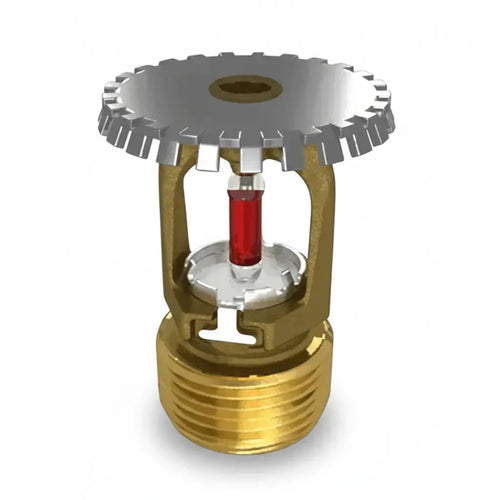


Residential Fire Pump Systems: The 2026 Buyer’s Guide to Home Fire Safety
In 2025, wildfires across the United States destroyed 12,773 residential properties; this highlights a critical vulnerability in modern home defense. Many owners discover too late that their municipal lines or private wells simply cannot provide the pressure required for effective suppression. If you are building under the 2025 NFPA 13D standards or 2026 California Fire Code, a fire pump system for home use is often the vital link between a failed inspection and a secure residence.
You know that a fire sprinkler system is only as reliable as the water driving it. It's common to feel frustrated by complex local codes or the fear that your water supply won't perform during an emergency. This guide provides the expert clarity you need to select a system that guarantees adequate pressure for your sprinklers and wildfire defense. We'll preview the technical requirements for 2026, the necessity of water storage tanks, and the specific hardware required to ensure your home remains a safe haven.
Key Takeaways
- Identify whether your property has the low municipal pressure or well-water limitations that make a dedicated boost system mandatory.
- Understand the critical differences between NFPA 13D life-safety sprinklers and the high-volume pump configurations required for effective wildfire defense.
- Master the technical specifications for a fire pump system for home use, including how to match GPM and PSI to your specific floor plan.
- Learn how to size water storage tanks and suction lines to ensure a consistent, air-free supply during the most critical minutes of a fire event.
- Discover why contractors prioritize professional-grade hardware and individual components over generic kits to maintain long-term code compliance.
Evaluating Your Home’s Fire Protection Needs
Effective home fire safety starts with a simple question: Will your water supply perform when it matters most? Many homeowners assume that if water flows from the tap, their sprinklers are ready. This is a dangerous misconception. A fire pump system for home use isn't just an accessory; it's a hydraulic necessity for properties where municipal or well pressure falls short of safety standards. Without an adequate boost, your sprinkler heads are nothing more than ceiling decorations.
Rural and urban properties face distinct challenges. In urban areas, high-density living and aging municipal pipes often lead to a "pressure drop" during peak usage hours. If your shower pressure fluctuates when the dishwasher runs, your fire suppression system is at risk. Rural properties usually rely on wells or small-diameter lines. These sources rarely provide the 20 to 30 Gallons Per Minute (GPM) required to support multiple active sprinkler heads. Additionally, if you live in a high-risk wildfire zone, your requirements shift. You aren't just looking at internal life safety; you need a system capable of powering external perimeter defense to block embers from igniting your roof or eaves.
Pressure vs. Volume: What Does Your System Lack?
Understanding fire pump basics is the first step in diagnosing your home's needs. You must distinguish between static pressure and residual flow pressure. Static pressure is the reading when no water is moving. It looks impressive on a gauge but doesn't tell the whole story. Residual pressure is what remains while the sprinklers are actually flowing. Sprinklers require a specific volume, measured in GPM, to suppress a fire effectively. If your residual pressure drops too low during a flow test, your heads will merely drip rather than spray. Testing your supply is non-negotiable. Use a flow meter to determine your actual output before selecting hardware. If the numbers don't meet your hydraulic calculations, a pump is the only solution.
Code Compliance and NFPA 13D Basics
Compliance is about more than just passing an inspection; it's about verified reliability. The NFPA 13D standard governs sprinkler installations for one- and two-family dwellings. It specifically addresses the use of a fire pump system for home applications when the local water supply is insufficient. Many jurisdictions now mandate these systems for new builds, especially in California under the 2026 fire codes. Always prioritize UL-listed components. Using unverified parts can void insurance claims and fail during a crisis. Professional-grade residential fire pump systems ensure every component meets rigorous safety benchmarks. Selecting the right hardware eliminates doubt and ensures your home meets the highest standards of protection.
NFPA 13D Sprinkler Pumps vs. Wildfire Defense Systems
Choosing a fire pump system for home safety requires understanding two distinct missions. Internal systems, governed by NFPA 13D standards, prioritize life safety. They provide enough water to allow occupants to escape and prevent flashover within a single room. Wildfire defense systems, however, function as structural shields. They are designed to combat external radiant heat and wind-blown embers. While an internal sprinkler might only use 20 Gallons Per Minute (GPM), a wildfire system often demands 100 GPM or more to saturate a roof and create a humidity barrier around the property perimeter.
The water source often dictates the hardware selection. Internal systems typically draw from pressurized city mains or dedicated indoor tanks. If the municipal flow is weak, the pump bridges the gap to ensure heads reach their design pressure. External systems often rely on static sources. Swimming pools, ponds, or large external tanks become the reservoir. Integrating these with high-quality residential sprinkler system hardware ensures that whether the threat is a kitchen fire or a forest fire, your response is automated and powerful. Without the right pump, even the best pipe and heads remain dry during a crisis.
Packaged Sprinkler Pump Systems
For most homeowners, space is at a premium. Packaged systems, often called "pump-in-a-box" solutions, solve this problem. These units house the pump, motor, and controller in a single, compact footprint. They are ideal for basement or utility closet installations where every square foot counts. These systems remain in a state of 24/7 readiness. They use specialized sensing lines to detect a drop in pressure the moment a sprinkler head activates. This triggers the pump instantly, providing the necessary boost without human intervention. If you are looking for a reliable fire pump system for home use, these pre-engineered units offer the fastest path to code compliance and safety.
Portable Wildfire Protection Pumps
When a wildfire approaches, municipal water pressure often fails as the entire community draws from the same line simultaneously. Portable, gas-powered pumps provide independence from the grid. These units are designed for rapid deployment. You can position them near a swimming pool or pond to draw thousands of gallons of water through heavy-duty suction hoses. High-pressure nozzles and fire-blocking gels work with these pumps to create a thermal barrier around the structure. They don't replace internal sprinklers; they act as the first line of defense against radiant heat and blowing embers. Selecting the right hardware involves balancing these internal needs with the external risks of your specific geography.
Critical Performance Specifications: GPM, PSI, and Power
Selecting a fire pump system for home use requires more than a casual glance at a spec sheet. You must match the hardware to the specific hydraulic demands of your floor plan. Flow rate, measured in Gallons Per Minute (GPM), is your first priority. Most residential sprinkler heads require a minimum of 13 to 18 GPM each. If your design assumes two heads will activate simultaneously, your pump must reliably deliver at least 26 to 36 GPM plus a safety margin. Without this volume, the spray pattern collapses, and the fire will likely outpace the suppression system.
Pressure, measured in Pounds per Square Inch (PSI), is the second half of the equation. This is the "push" that overcomes gravity and pipe friction. In multi-story homes, the pump must provide enough "lift" to move water to the highest sprinkler head while maintaining the required operating pressure. If your home sits on a steep grade or has three stories, a standard booster might fail. Redundancy is equally vital. In fire-prone regions, the power grid is often the first thing to fail. Relying solely on a standard electric motor without a secondary power source is a gamble that rarely pays off when a wildfire is on the horizon.
Electric vs. Gas: Choosing the Right Driver
Electric motors are the standard for NFPA 13D compliance because they offer "start-on-demand" reliability. They are quiet and integrate easily with indoor plumbing. However, they are tethered to the electrical grid. Gas-powered engines are the superior choice for external wildfire defense. They operate independently of the home’s power supply and can draw from static sources like ponds. The trade-off is maintenance. Gas units require regular fuel stabilization and test runs to ensure the carburetor doesn't clog. For total peace of mind, many homeowners install an electric pump for internal safety and keep a portable gas unit for perimeter protection.
Understanding Pump Curves
Every professional-grade fire pump comes with a manufacturer’s pump curve. This graph shows the relationship between pressure and flow. You must verify that your required GPM falls within the "sweet spot" of the curve. If you push a pump beyond its limits, you risk cavitation, where vacuum bubbles form and implode, causing catastrophic internal damage. Conversely, "dead-heading" happens when the pump runs without water flowing, leading to rapid overheating. As the system demands higher PSI to overcome elevation or pipe friction, the available GPM output from the pump will naturally decrease. Proper sizing ensures your system operates safely within these physical boundaries.
Sizing and Configuration: Tanks, Suction, and Fittings
A fire pump system for home safety is only as effective as the infrastructure supporting it. While the pump provides the power, the storage tank and piping network provide the endurance. For homes following NFPA 13D, you must calculate your tank capacity based on at least a 10-minute water supply. In some rural jurisdictions or larger residences, this requirement may increase to 30 minutes. A 500 to 1,000-gallon tank is standard for most residential applications. Ensuring this tank remains full and protected from environmental hazards is vital for system readiness.
The choice of materials in your piping loop directly impacts long-term reliability. Professional contractors often utilize CPVC fire protection fittings because they resist scale and corrosion, which can otherwise clog sprinkler heads over time. To protect your family's health, you must integrate a backflow preventer. This component ensures that the stagnant water sitting in your sprinkler lines never siphons back into your potable water supply. It is a critical safety barrier that eliminates the risk of contamination and ensures your plumbing remains compliant with local health codes.
Essential Accessories for a Complete System
Monitoring your system's health shouldn't be a guessing game. Pressure gauges allow for quick visual inspections, while relief valves prevent over-pressurization that could burst pipes. For notification, flow switches are essential; they trigger an alarm the moment water starts moving through the heads. Stability is another often-overlooked factor. Using all thread rod and seismic bracing ensures the pump remains anchored during a seismic event or the high-vibration period of initial activation. These small hardware components are what separate a professional installation from a DIY risk.
Suction and Discharge Piping Layout
Poor suction layout is the leading cause of residential pump failure. You must avoid air pockets by ensuring the suction line is as short and straight as possible. Ideally, your system should use a "flooded suction" design, where the water level in the tank sits higher than the pump inlet. This uses gravity to keep the pump primed. Large-diameter pipes help minimize friction loss, ensuring that the energy generated by the fire pump system for home use isn't wasted before it reaches the sprinklers. High-quality check valves are the final piece, preventing water from flowing backward and losing the system's prime. You can find the exact components needed for a professional layout at Fire Protection Parts.
Sourcing Professional-Grade Fire Pump Hardware
Procurement is the final hurdle in securing your property. The reliability of a fire pump system for home safety depends entirely on the quality of its individual components. While generic, pre-assembled kits might seem convenient, they often hide inferior valves or non-compliant fittings that fail under the high-stress conditions of a fire event. Professional contractors avoid these risks by sourcing individual, UL-listed parts. This approach allows for a customized hydraulic setup that matches your specific GPM and PSI requirements without compromise.
Longevity is a primary concern for any safety installation. Fire protection systems often sit dormant for years, making them susceptible to internal corrosion or mechanical seizing. Choosing hardware made from corrosion-resistant materials ensures that when the system finally needs to activate, it performs as designed. Utilizing an expert residential fire sprinkler parts checklist helps you identify the specific technical requirements for every component, from the pump motor to the smallest check valve. Verified hardware eliminates the "hope for the best" mentality and replaces it with professional certainty.
The Fire Protection Parts Difference
Contractors and facility managers trust Fire Protection Parts because we prioritize verified performance over generic solutions. You get direct access to high-quality valves, sprinklers, and air compressors that meet the most stringent safety codes. We understand that residential construction projects operate on tight schedules. Our commitment to rapid shipping ensures your project stays on track without sacrificing safety standards. We don't just sell hardware; we provide the peace of mind that comes from knowing your fire pump system for home defense is built with components that won't fail when lives are on the line.
Next Steps for Your Home Protection Project
Moving from the planning phase to installation requires a methodical approach. First, consult with a fire protection engineer to finalize your hydraulic calculations. These numbers dictate the exact pump specifications you need. Next, review your local fire codes to ensure your chosen hardware meets all permit requirements for your specific jurisdiction. Once your design is verified, you can begin the procurement process with confidence. Professional-grade protection is an investment in your family's future. Browse our complete inventory of residential fire pump components to find the reliable hardware your home deserves.
Building a Resilient Home Defense Strategy
Securing your property against fire requires more than a standard plumbing layout. It demands a precision-engineered fire pump system for home safety that accounts for every PSI of lift and every GPM of flow. You've learned that meeting NFPA 13D standards isn't just about compliance; it's about ensuring your sprinklers have the hydraulic power to perform during a crisis. By prioritizing "flooded suction" configurations and independent power sources for wildfire defense, you eliminate the variables that lead to system failure.
Don't leave your family's safety to chance with generic retail kits. Professional-grade protection relies on UL-Listed Components and NFPA Code Compliant Parts that are built for longevity. Whether you're navigating complex hydraulic calculations or selecting the right fittings, our team provides the Expert Technical Support you need to build with confidence. You're now equipped with the knowledge to make an informed choice for your home's future.
Secure Your Home with Professional Fire Pump Hardware and take the final step toward complete peace of mind today.
Frequently Asked Questions
Do I need a fire pump if I have a swimming pool?
You still need a pump because a swimming pool is only a reservoir, not a pressure source. Without a dedicated fire pump system for home defense, pool water cannot reach your roof or sprinklers with enough force to extinguish flames. You must have a pump capable of drawing from the static source and providing the specific GPM required for your suppression layout.
What is the difference between a jockey pump and a fire pump?
A jockey pump is a small, low-volume unit that maintains pressure in your pipes to prevent the main pump from starting unnecessarily due to minor leaks. The main fire pump is the heavy-duty component that activates only during a fire event. It delivers the massive volume of water needed for suppression, while the jockey pump only handles system maintenance.
Does NFPA 13D require a fire pump in all homes?
NFPA 13D does not mandate a pump for every residence. It only requires a fire pump system for home use when your municipal or well supply lacks the hydraulic pressure to meet safety standards. If your existing water supply cannot support two active sprinkler heads at the required PSI, a pump becomes a mandatory part of your infrastructure.
Can I use a regular well pump for my fire sprinkler system?
Standard well pumps rarely meet fire suppression standards. They are designed for consistent, low-volume domestic use, not the high-volume burst required by sprinkler heads. You need a pump specifically rated for fire duty to ensure it doesn't burn out or fail when multiple heads activate simultaneously and demand maximum flow.
How often should a residential fire pump be tested?
You should conduct a brief functional test monthly and a comprehensive flow test annually. The 2026 edition of NFPA 25 emphasizes regular inspections for valves and pumps to ensure readiness. Monthly "no-flow" starts verify the motor and controller are functional, while annual tests confirm the pump still meets its original GPM and PSI performance curves.
What happens to my fire pump if the electricity goes out during a fire?
An electric pump will fail during a power outage unless it's connected to a secondary power source like a backup generator. This is a critical vulnerability in fire-prone regions where the grid often fails first. You must plan for power redundancy to ensure your suppression system remains active when the local electrical supply goes down.
Are gas-powered fire pumps allowed for indoor sprinkler systems?
Gas-powered pumps are generally not permitted for indoor installations due to toxic exhaust and fuel storage hazards. They produce carbon monoxide and require flammable liquids that create additional risks inside a dwelling. Electric motors are the industry standard for indoor NFPA 13D systems because they are cleaner and offer more reliable automated starting.
How do I calculate the GPM needed for my home fire pump?
To calculate GPM, identify the two most demanding sprinkler heads in your home’s design area. Add their required flow rates together and include a safety margin for pipe friction. Most residential heads require 13 to 18 GPM each, meaning your pump should handle at least 30 to 40 GPM to ensure effective coverage across your entire floor plan.

