

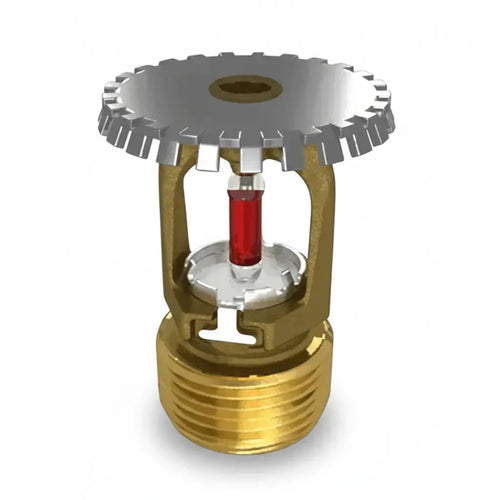


Winterizing Dry Sprinkler System Parts Checklist: A 2026 Guide to Freeze Protection
Dry pipe systems don't freeze because of the cold; they freeze because of hardware failures that allow moisture to linger. It's a high-stakes reality for facility managers who expect their infrastructure to remain bone dry during a winter snap. When temperatures drop, even a small amount of trapped condensate can lead to burst pipes or a false system trip that halts your operations. This winterizing dry sprinkler system parts checklist provides the professional assurance you need to verify your hardware is ready for the 2026 season. We know that a single oversight in your maintenance routine can lead to catastrophic damage and costly emergency repairs.
You deserve a system that functions without compromise when the freeze hits. We've compiled this guide to ensure your dry pipe system survives the winter through a comprehensive hardware inspection and maintenance protocol. You'll learn exactly which components require your attention, including air compressors, backflow preventors, and the dry valves that now require annual internal inspections under the 2026 NFPA 25 updates. We'll preview the critical parts to inspect and the technical steps necessary to prevent moisture accumulation in your lines. This methodical approach helps you maintain compliance while providing the peace of mind that comes from professional expertise.
Key Takeaways
- Identify the critical role of moisture elimination to prevent ice blockages and pipe ruptures in unheated environments.
- Execute a systematic winterizing dry sprinkler system parts checklist to verify the integrity of drum drips and low-point drains.
- Optimize air compressor performance and pressure regulation to eliminate the risk of false system trips during temperature drops.
- Recognize early warning signs of seal failure, such as ice heaving, specifically in dry pendent sprinkler heads.
- Maintain NFPA 25 compliance and system reliability by utilizing only UL-listed and FM-approved hardware for all replacements.
Why Dry Pipe Systems Require a Winterization Parts Checklist
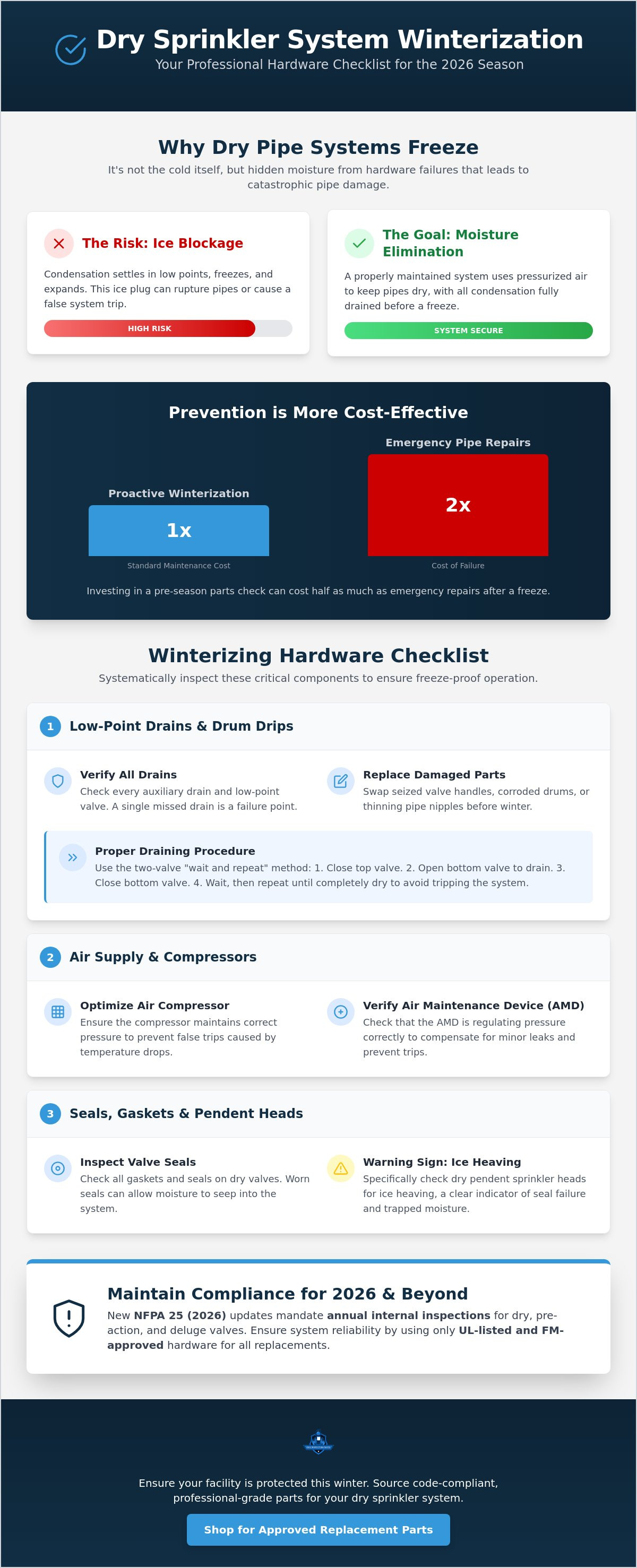
Winterizing a dry pipe system is more than a seasonal chore. It's a critical process of moisture elimination and hardware verification designed to prevent system failure when temperatures plummet. Unlike wet systems, Dry pipe systems rely on pressurized air or nitrogen to hold back the water supply. However, the presence of air doesn't mean the pipes are empty. Condensation is an unavoidable byproduct of system operation. Without a rigorous winterizing dry sprinkler system parts checklist, this hidden moisture settles in low points, freezes, and causes the very piping it's meant to protect to rupture.
Failure usually occurs at three specific points: drainage components, air supply integrity, and thermal barriers. If your drum drips are seized or your air compressor cannot maintain pressure, the system is compromised. Executing a winterizing dry sprinkler system parts checklist before the first frost is always more cost-effective than emergency pipe repairs. According to industry data, replacing broken pipes can cost twice as much as standard winterization and activation services. Investing in reliable parts now ensures your facility remains compliant and operational throughout the 2026 freeze.
The Role of Moisture in Dry Pipe Failures
Air compressors are essential, but they introduce ambient humidity into the lines every time they cycle. As this air cools, water droplets form and collect in small-diameter piping. This leads to a dangerous freeze-thaw cycle. When the water turns to ice, it expands, creating plugs that can trip the dry valve or crack the pipe wall. Adhering to the 2026 NFPA 25 updates is mandatory for safety. These standards now emphasize annual internal inspections for dry, pre-action, and deluge valves to ensure no residual moisture or corrosion is undermining your freeze protection.
Distinguishing Between Wet and Dry Winterization Needs
Wet systems primarily focus on maintaining proper concentrations of Anti-freeze for Fire Protection. Dry systems have a different priority: drainage. While the lines are filled with air, the dry valve itself must stay in a heated environment. NFPA standards require valve rooms to be maintained at a minimum of 40°F. Effective dry system maintenance also requires specialized hardware like Air Maintenance Devices (AMD) and high-performance Air Compressors for Sprinkler Systems. These components work together to regulate pressure and prevent accidental trips caused by minor leaks or temperature-induced pressure drops.
Critical Hardware Checklist: Low-Point Drains and Drum Drips
The most frequent failure point in any dry pipe system is the drainage network. While the main lines remain filled with air, condensation naturally migrates to the lowest elevations of the piping. If these areas lack a functional drain, water pools and creates an immediate freeze risk. A thorough winterizing dry sprinkler system parts checklist must prioritize the inspection of every auxiliary drain and low-point valve. Neglecting a single rusted nipple or a seized valve handle can lead to a catastrophic pipe burst when the first hard freeze arrives in late 2026.
Every low point in your system requires a functional drain to ensure total moisture removal. If a drain is inaccessible or the hardware is too corroded to operate, you're leaving the system's integrity to chance. Professionals don't take these risks. Replacing damaged handles or thinning pipe nipples before winter is a standard safety protocol. It's much simpler to swap a valve now than it is to manage a flooded warehouse in January. Ensuring you have the right sprinkler system components online before the season starts eliminates the stress of long lead times during peak demand.
How to Properly Service an Auxiliary Drain
Servicing a drum drip, also known as an auxiliary drain, is a precise two-valve operation. Follow these steps to ensure you don't accidentally trip the system. First, close the top valve to isolate the drain from the system pressure. Second, open the bottom valve to release any collected water. After the water stops flowing, close the bottom valve and wait several minutes. Repeat this process until no more moisture appears. This "wait and repeat" method is the only way to ensure all condensate is removed. If you notice the valves are difficult to turn or the drum itself shows signs of thinning, it's time to replace the entire assembly to maintain NFPA 25 requirements for system maintenance.
Signs of Corrosion in Drain Components
Corrosion often hides in plain sight. Inspect your drainage fittings for "pinhole" leaks or white mineral deposits, which indicate a slow, persistent weep. The material of your fittings matters significantly. While black steel is common, many professionals prefer galvanized components for drainage points because they offer superior resistance to the moisture that sits in these low areas. If you find significant rust on the threads or if the valve internal seals have failed, proactive replacement is your only safe option. You can find high-quality, durable replacement fittings and valves that stand up to the harshest winter conditions, providing the professional assurance your facility requires.
Optimizing the Air Supply: Compressors and Dehydrators
The air supply is the primary barrier between your dry pipe system and a catastrophic freeze. While previous sections focused on removing liquid water, this part of the winterizing dry sprinkler system parts checklist addresses the source of moisture and the pressure that holds the dry valve closed. If your compressor fails during a cold snap, the pressure drops, the dry valve trips, and water floods into unheated piping. At that point, you aren't just dealing with a maintenance issue; you're facing an emergency. Professional cold weather sprinkler maintenance requires a deep dive into the health of your compressor and the quality of the air it produces.
Modern systems in 2026 increasingly utilize air dehydrators or nitrogen generators to solve the moisture problem at the source. Compressed air naturally generates heat and condensation. Without a dehydrator, that water vapor enters the system and freezes in small-diameter lines. Nitrogen generators go a step further by removing oxygen, which significantly reduces internal corrosion. As you go through your checklist, verify that these drying units are functioning according to manufacturer specifications. Check compressor oil levels and inspect belt tension for signs of wear. A slipping belt or low oil can lead to a total motor failure during the peak of winter.
Air Maintenance Device (AMD) Calibration
The Air Maintenance Device (AMD) is the regulator that ensures your system stays at the correct pressure without over-pressurizing. A faulty AMD is the leading cause of "nuisance trips" in cold weather. As temperatures drop, air density changes, and a poorly calibrated AMD might fail to compensate for minor pressure fluctuations. Inspect the AMD for clogged strainers or restricted orifices. These tiny components can easily become blocked by debris or scale, preventing the air from reaching the system. Verify that the pressure switch settings align perfectly with your dry pipe valve's requirements to ensure unwavering reliability.
Compressor Reliability for Dry Systems
Compressor fatigue is a silent killer of dry pipe systems. Signs of trouble include excessive run times, loud operation, or a motor that feels unusually hot to the touch. If your compressor is cycling more than once a week without a known leak, it is working too hard. Review our air compressors for dry sprinkler systems guide to ensure your unit is properly sized for your system's capacity. An undersized compressor will fail prematurely under the strain of winter temperature swings. We recommend keeping a backup compressor or a comprehensive repair kit on-site. This small investment provides the professional assurance that your facility remains protected even if the primary unit requires service.
Inspecting Seals, Gaskets, and Dry Pendent Heads
A single failing seal can undo all the work put into drainage and air maintenance. Your winterizing dry sprinkler system parts checklist is incomplete without a close inspection of gaskets and specialized sprinkler heads. While the main piping contains air, the seals at the dry pipe valve and individual heads are the only barriers preventing water from entering unheated zones. Over time, rubber gaskets lose their elasticity and becomes brittle, especially in environments with fluctuating temperatures. A brittle gasket leads to persistent air leaks, forcing your compressor to run more frequently and increasing the moisture load within the system.
The structural integrity of the piping itself also plays a role in freeze protection. Verify that all pipe hangers and supports are secure and properly aligned. If a support has shifted, it can cause the pipe to sag, creating a "belly" where water can trap. This trapped water will not reach the low-point drains discussed in previous sections, leading to localized freezing and eventual pipe rupture. Furthermore, check for "ice heaving" around escutcheons. If a sprinkler head appears to be pushed away from the ceiling or is surrounded by frost, it indicates that moisture has bypassed the internal seal and expanded as it froze. Browse our full selection of replacement dry pendent sprinklers and valve gaskets to secure your system before the next freeze.
Dry Pendent Sprinkler Integrity
Dry pendent sprinklers are unique because they feature a long, factory-sealed barrel. This barrel is designed to keep water in the heated area while the sprinkler head itself extends into an unheated space, such as a loading dock or cold storage room. If you see condensation inside the glass bulb or barrel, the seal has likely failed. These "wet" dry pendents are prone to freezing and must be replaced immediately. When selecting a replacement, refer to our fire sprinkler head temperature ratings guide to ensure the new hardware matches the thermal requirements of your specific environment.
Valve Room Thermal Integrity
The dry pipe valve is the heart of the system, and it must remain in a heated environment to function. NFPA 25 standards require valve rooms to be maintained at a minimum of 40°F. Confirm that the room heater is functional and that the thermostat is calibrated correctly. Inspect the door seals and insulation for gaps that could allow a draft to cause localized freezing at the valve. If your valve requires prime water, verify that the level is at the proper height. Excessive prime water can freeze and prevent the valve from opening, while insufficient levels may fail to provide an airtight seal against the clapper gasket.
Sourcing Code-Compliant Replacement Parts for 2026
Completing your winterizing dry sprinkler system parts checklist often reveals components that have reached the end of their service life. Identifying a failure is only the first step. The second, and arguably more critical step, is sourcing the exact hardware needed to restore system integrity before the first hard freeze. In the fire protection industry, there's no room for "close enough." Using UL-listed and FM-approved parts is a non-negotiable requirement for maintaining life safety standards and insurance compliance. These certifications ensure that every valve, gasket, and sprinkler head has been tested to perform under extreme pressure and freezing conditions.
Precision is vital when ordering replacement hardware. To ensure an accurate match, locate the part numbers or Sprinkler Identification Numbers (SIN) etched into your existing equipment. For dry pendent heads, the SIN is usually found on the deflector. For valves and air maintenance devices, look for the manufacturer's data plate on the body of the casting. Having this information ready allows you to procure the correct 2026-compliant hardware without the risk of installation delays. We recommend facility managers prepare a "Winter Emergency Kit" containing common gaskets, auxiliary drain valves, and spare dry pendent heads to handle unexpected failures during the peak of the season.
The Importance of Verified Hardware
Generic hardware often fails at the worst possible moment. It lacks the precision engineering required for the unique pressures of a dry pipe environment. When you utilize our fire protection parts online sourcing process, you gain the professional assurance that your components meet the exact specifications of your original system design. We prioritize the availability of major brand components, including Viking and other industry leaders, to ensure your repairs are seamless and durable. Sourcing from a specialized retailer eliminates the doubt associated with third-party marketplaces and ensures you receive hardware that adheres to the latest safety codes.
Final Pre-Winter Walkthrough
Before the temperature drops, perform one final walkthrough to confirm every item on your checklist is resolved. Verify that your drum drips are empty, your air compressor is cycling correctly, and your valve room heater is set to at least 40°F. This methodical approach is your best defense against frozen and burst pipes. If your inspection reveals any lingering gaps, consult our guide on Sprinkler System Components to finalize your inventory. Don't leave your facility's safety to chance. Shop the full catalog at Fire Protection Parts today to secure the high-performance hardware your dry pipe system requires for 2026.
Securing Your Infrastructure for the 2026 Freeze
Protecting your facility from winter damage requires more than just a cursory glance at the pressure gauges. You've seen how moisture elimination and hardware verification are the twin pillars of a reliable dry pipe system. From the meticulous operation of auxiliary drains to the calibration of air maintenance devices, every step serves to eliminate the risk of ice plugs and burst pipes. By adhering to this winterizing dry sprinkler system parts checklist, you're taking a proactive stance against the unpredictability of the 2026 freeze.
Don't wait for a pressure drop to discover a faulty gasket or a failing dry pendent head. Reliability is built on the quality of your components. You can secure your system with professional-grade dry pipe components at Fire Protection Parts. We provide UL-Listed and FM-Approved hardware to ensure your repairs meet strict safety standards. With expert technical support and fast shipping on critical replacement parts, you can address vulnerabilities before they become emergencies. Your commitment to maintenance today ensures a safe, compliant, and operational facility all winter long.
Frequently Asked Questions
How often should I drain the low-point drains on a dry sprinkler system?
Drain low-point drains daily for several days following a system trip or reset until you see no moisture. Once the system is dry, check them weekly during the winter months. Frequent drainage is a core part of your winterizing dry sprinkler system parts checklist. This prevents small amounts of condensate from accumulating and forming ice plugs that can rupture your piping and cause expensive repairs.
Can I use regular automotive anti-freeze in my fire sprinkler system?
You cannot use automotive anti-freeze in any fire protection system. These products are often flammable and don't meet the rigorous safety standards required for life-safety infrastructure. Only use UL-listed and FM-approved Anti-freeze for Fire Protection. These specialized mixtures are designed to remain stable and non-combustible, ensuring your system remains compliant with the latest 2026 NFPA 25 requirements and safety standards.
What happens if my dry pipe system accidentally trips in the winter?
An accidental trip in winter causes water to flood unheated piping immediately. You must act quickly to shut off the water supply and drain the entire system through all auxiliary drains. If water sits in those lines for even a few hours during a hard freeze, you risk multiple pipe bursts. Once drained, the system must be professionally reset and the air pressure restored to prevent a second trip.
Why is my dry pipe sprinkler air compressor running more frequently in cold weather?
Air compressors cycle more often in the winter because air density changes as temperatures drop. Cold air occupies less volume, which causes a pressure decrease that triggers the compressor. However, frequent cycling can also indicate a failing seal or a leak in your Air Maintenance Device. If the compressor runs excessively, check your winterizing dry sprinkler system parts checklist for air leaks at gaskets and valve clappers.
What is a drum drip, and do I need one for every floor?
A drum drip is an auxiliary drain assembly consisting of two valves and a collection chamber. You don't necessarily need one for every floor, but you must have one at every low point in the system where water can collect. These are essential for removing condensation from sections of piping that don't naturally drain back to the main riser. Neglecting these points leads to localized freezing and hardware failure.
Is it necessary to insulate dry pipe sprinkler lines?
Insulating the actual dry pipe lines is generally unnecessary because they contain air rather than water. The priority is maintaining the thermal integrity of the room where the dry pipe valve is located. If you have sections of piping exposed to extreme drafts, focus on sealing those air gaps rather than wrapping the pipes. The system's design relies on the total absence of water to prevent freezing.
How do I know if my dry pendent sprinkler head needs to be replaced?
Replace dry pendent sprinklers if you see moisture or cloudiness inside the glass bulb or the barrel. This indicates the factory seal has been compromised, allowing water to enter the "dry" portion of the head. Other red flags include physical damage, corrosion, or ice heaving around the escutcheon. Using a head with a failed seal is a leading cause of localized freeze damage and system malfunction.
What is the minimum temperature required for a dry pipe valve room?
The minimum temperature for a dry pipe valve room is 40°F. This is a strict requirement under NFPA 25 to ensure the water supply on the "wet" side of the valve doesn't freeze. If the room drops below this threshold, the valve clapper can freeze shut or the prime water can turn to ice. This prevents the system from deploying during a fire and puts the entire facility at risk.

