

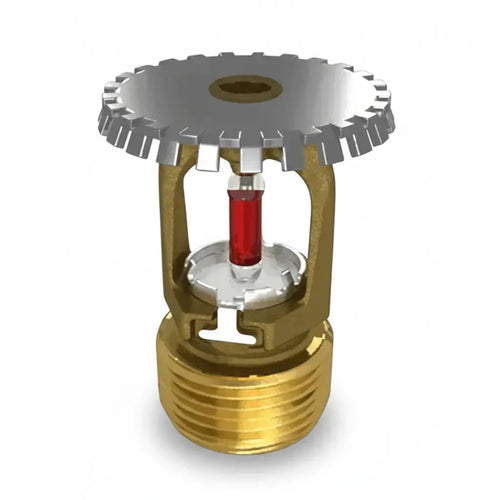


Dry Pipe Fire Sprinkler Parts: The 2026 Professional Sourcing Guide
A dry pipe system is only as reliable as its air-to-water seal. Sourcing the right dry pipe fire sprinkler parts, including trim and compressor components, is often more critical than the valve itself. If you've ever spent hours chasing a phantom air leak or worried about internal corrosion during a deep freeze, you know how quickly these systems can become a liability without the proper hardware.
Managing complex NFPA requirements for freezing environments shouldn't feel like guesswork when lives and property are on the line. You need a system that stays pressurized and functional when temperatures drop. This guide simplifies your procurement process by identifying the essential components required to maintain a code-compliant, leak-free system. Our goal is to help you achieve a reliable setup that eliminates the risk of accidental discharge and provides total peace of mind.
We will break down every critical piece of the puzzle, from specialized dry pendent sprinklers to high-performance air compressors. You'll learn how to identify the exact hardware needed to ensure your fire suppression system remains ready for action, even in the harshest winter conditions. This is your roadmap to a system that works perfectly when it matters most.
Key Takeaways
- Master the core mechanics of dry systems to effectively protect unheated spaces like parking garages and attics from freezing.
- Identify the critical dry pipe fire sprinkler parts required for a complete valve trim package, including essential gauges and switches.
- Learn the technical requirements for dedicated air compressors to ensure your pressure regulation stays within strict code limits.
- Choose the right specialized hardware, such as dry pendent sprinklers, to keep water safely within heated zones.
- Secure your facility's safety by sourcing verified, industry-standard hardware that meets insurance and regulatory requirements.
Anatomy of a Dry Pipe Fire Sprinkler System
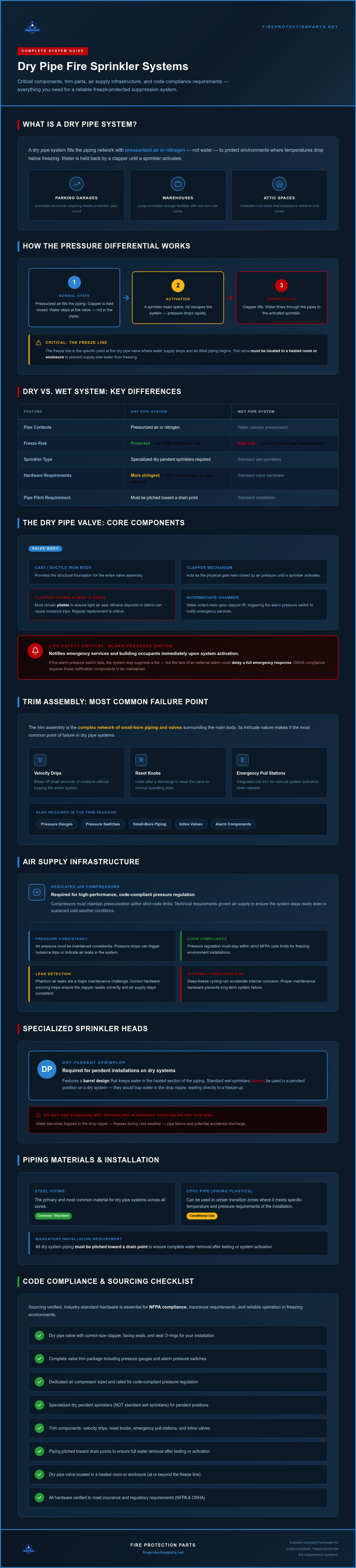
A dry pipe system is a specialized fire suppression method where the piping network is filled with pressurized air or nitrogen rather than water. This design protects property in environments where temperatures frequently drop below freezing, such as unheated parking garages, warehouses, or attic spaces. Without this air buffer, standing water in the pipes would expand as it freezes, leading to catastrophic pipe bursts and system failure. Sourcing high-quality dry pipe fire sprinkler parts ensures the clapper resets correctly and the air supply remains consistent over time.
At the core of the system is the dry pipe valve. This valve relies on a clapper mechanism to maintain the air-to-water seal. The clapper acts as a physical gate, held closed by air pressure until a sprinkler head activates. Once air escapes the system, the clapper opens and allows water to flow through the pipes. Understanding the full range of fire sprinkler system components is essential for anyone responsible for maintaining these complex safety networks. Correctly identifying dry pipe fire sprinkler parts during the design phase prevents costly retrofits and ensures the system meets the unique demands of the facility.
How Dry Pipe Systems Prevent Freezing
Dry systems operate on the principle of pressure differentials. A relatively low volume of air pressure can hold back significantly higher water pressure because of the larger surface area on the air side of the clapper. The freeze line is the specific point at the dry pipe valve where the water supply stops and the air-filled piping begins. This valve must be located in a heated room or enclosure to prevent the supply-side water from freezing. By using pressurized air as the medium, the system remains ready for activation without the risk of ice blockages in unheated zones.
Key Differences Between Dry and Wet Pipe Hardware
Hardware requirements for dry systems are more stringent than standard wet systems. For example, you can't use standard wet sprinklers in a pendent position on a dry system. Doing so would trap water in the drop nipple, leading to a freeze-up. Instead, you must use specialized dry pendent sprinklers with a barrel design that keeps water in the heated section of the piping. Additionally, dry system piping must be pitched toward a drain point to ensure all water is removed after testing or activation. While steel is common, certain transition zones may utilize Viking Plastics CPVC Pipe for Fire Protection, provided it meets the specific temperature and pressure requirements of the installation.
The Dry Pipe Valve: Critical Parts and Trim Components
The dry pipe valve acts as the control center for your entire suppression network. While the heavy cast iron or ductile iron valve body provides the structural foundation, the internal dry pipe fire sprinkler parts determine the system's responsiveness. Components like the clapper facing and seat O-rings must remain pliable to ensure a tight seal. Over time, mineral deposits or debris can compromise these gaskets, leading to air leaks that trigger nuisance trips. Regular replacement of these wear items is the most cost-effective way to prevent system downtime.
Beyond the valve body, the alarm pressure switch plays a vital role in life safety. When the system activates and the clapper lifts, water enters the intermediate chamber and triggers this switch. This notifies emergency services and building occupants immediately. Adhering to OSHA fire safety and sprinkler system requirements is mandatory for workplace compliance, and maintaining these notification components is a key part of that responsibility. If these switches fail, the system might suppress a fire, but the lack of an external alarm could delay a full emergency response.
Understanding the Trim Assembly
The trim assembly is the complex network of small-bore piping and valves surrounding the main body. It's often the most common point of failure because of its intricate nature. Key parts include velocity drips, which bleed off small amounts of moisture without tripping the system, and reset knobs used after a discharge. Emergency pull stations are also integrated into the trim to allow for manual activation if needed. If you're managing a repair, sourcing sprinkler system components online allows you to find exact trim matches for older valve models. For those looking to keep their systems in peak condition, you can browse our inventory of professional-grade trim kits to find compatible hardware.
Quick Opening Devices (Accelerators)
In larger systems, air takes too long to exhaust naturally through a single activated head. This delay can exceed the strict water delivery time limits set by fire codes. Accelerators, or quick opening devices, solve this by sensing a rapid drop in air pressure and immediately redirecting air to the underside of the clapper. This forces the valve open faster. You should evaluate your accelerator during every annual trip test. If it fails to trip or leaks air internally, a rebuild kit might suffice, but significant corrosion usually warrants a full replacement of this critical dry pipe fire sprinkler parts category. Proper maintenance here ensures the water reaches the fire in seconds, not minutes.
Air Supply Infrastructure: Compressors and Maintenance Hardware
The reliability of a dry system depends entirely on the consistency of its air supply. While the valve handles the water, the air supply infrastructure prevents the system from tripping prematurely. Using standard shop compressors is a common mistake that leads to code violations. These generic units aren't designed for the specific duty cycles of fire protection. High-quality dry pipe fire sprinkler parts, like dedicated compressors, are built to withstand years of standby service while providing the rapid pressurization required during system resets.
Internal corrosion remains a leading cause of system failure in 2026. Moisture introduced during the compression process can lead to scale buildup and pinhole leaks. To combat this, many facility managers are transitioning to nitrogen generators. Nitrogen is an inert gas that eliminates the oxygen required for oxidative corrosion. If a full nitrogen setup isn't feasible, installing dehydrators or air dryers is a non-negotiable step to protect your piping. These components strip moisture from the air before it enters the system, extending the lifespan of your hardware significantly.
Choosing the Right Air Compressor
Selecting the correct compressor depends on your system's total volume. Riser-mounted compressors are compact and attach directly to the system piping, making them ideal for smaller zones. Larger facilities typically require tank-mounted units that store a reserve of pressurized air. NFPA standards require the air supply to fill the system to its operating pressure within 30 minutes. If your compressor is undersized, you risk being out of compliance. For detailed technical specifications, consult our guide on air compressors for dry sprinkler systems to ensure your selection meets these rigorous requirements.
Air Maintenance Devices and Regulators
An air maintenance device (AMD) is the primary regulator for your air supply. It ensures that the system maintains a steady pressure even if minor leaks occur. Without an AMD, the compressor would run constantly or the system would trip at the first sign of a pressure drop. When sourcing dry pipe fire sprinkler parts for your air station, prioritize high-accuracy pressure gauges and reliable relief valves. These parts allow for precise monitoring and prevent over-pressurization. During the initial system charge, the bypass valve on the AMD is used to fill the system quickly. Once the operating pressure is reached, the bypass is closed, and the regulator takes over to manage the long-term air balance.
Specialized Sprinkler Heads and System Accessories
The final line of defense in any suppression system is the sprinkler head. In a dry system, choosing the correct head is a matter of thermal physics. Standard wet heads will fail in unheated areas because water remains trapped in the drop, leading to ice plugs. Specialized dry pipe fire sprinkler parts, specifically dry pendent heads, utilize a pressurized barrel to keep the water seal within the heated building envelope. This ensures that when the head activates, water flows freely without being blocked by ice.
While pendents are common, architectural constraints often require dry upright or sidewall variations. These allow for protection in tight spaces or along corridors where vertical piping isn't feasible. To maintain the integrity of the ceiling or wall, always install matching escutcheons or cover plates. These aren't just for aesthetics; they provide a proper seal that prevents heat from escaping the room, ensuring the sprinkler activates at its rated temperature. If you're ready to upgrade or repair your system, you can order specialized dry heads and accessories directly from our inventory.
Dry Pendent Sprinkler Specifications
Ordering the right replacement head requires precision. The most critical measurement is the "A" dimension, which is the distance from the face of the fitting to the finished ceiling. Getting this wrong results in a head that either protrudes too far or sits too deep, violating code. You also need to understand fire sprinkler head temperature ratings to match the specific hazards of your facility. To identify an existing head with 100% accuracy, look for the Sprinkler Identification Number (SIN) stamped on the deflector. This unique code ensures you get an exact match for the K-factor and response type.
Seismic and Structural Support
Dry systems are particularly vulnerable to structural movement because of the weight of the air-filled piping. Local building codes often mandate seismic bracing to prevent the system from shaking apart during an earthquake or significant vibration. Essential components include lateral and longitudinal braces that secure the pipe to the building's structure. Four-way risers are also used at the main valve to provide multi-directional stability. For a deeper look at compliance, reference our seismic bracing for sprinkler systems guide. Maintaining these dry pipe fire sprinkler parts is just as important as the heads themselves for long-term reliability.
Sourcing Code-Compliant Parts for System Repairs
Sourcing dry pipe fire sprinkler parts requires a commitment to quality that goes beyond the lowest price. When you're repairing a system designed to protect lives, using UL-listed and FM-approved components is non-negotiable. These certifications prove the hardware has undergone rigorous testing to perform under extreme conditions. Insurance providers often require documentation of these approvals before they'll cover a facility. If you use uncertified parts, you risk system failure and significant legal liability.
Verifying compatibility with existing systems from manufacturers like Viking or Tyco is the next critical step. Mixing incompatible brands can lead to improper seals or delayed activation times. To avoid these risks, many contractors use a specialized fire protection parts online retailer. These experts understand the nuances of legacy hardware and can guide you toward the correct replacement gaskets or clapper facings. Keeping an on-site inventory of critical spares, such as head wrenches and extra gaskets, minimizes downtime during emergency repairs.
The Professional Sourcing Advantage
Choosing a professional supplier gives you access to expert support that generic hardware stores can't provide. If you're dealing with an obsolete valve or a hard-to-find trim component, an industry-specific retailer can identify the modern equivalent. For facility managers overseeing multiple sites, bulk ordering streamlines the procurement process for large-scale retrofits. Fast shipping is another major benefit. Every hour your system is offline is an hour you might be paying for expensive fire watch services. Rapid delivery of dry pipe fire sprinkler parts keeps your facility protected and your costs under control.
Final Checklist for Dry Pipe Maintenance
A reliable system requires more than just the right parts; it needs consistent oversight. Use this checklist to ensure your hardware remains in peak condition:
- Check air compressor oil levels and inspect belt tension for signs of wear.
- Drain all low-point drains, also known as drum drips, to remove accumulated condensation.
- Confirm all control valves are in the fully open position.
- Verify that tamper switches are functional and reporting correctly to the fire alarm panel.
Following these steps ensures that the high-quality components you've sourced can perform their jobs without interference from maintenance oversights. Reliability in fire protection isn't an accident. It's the result of using the right parts and the right procedures every time.
Secure Your System for the Seasons Ahead
Maintaining a reliable dry pipe system requires more than routine checks. It demands a precise understanding of how the air supply, valve trim, and specialized heads work together to prevent freezing. By prioritizing UL-listed and FM-approved dry pipe fire sprinkler parts, you eliminate guesswork and ensure your facility remains compliant with the latest safety standards. Don't let a minor air leak or an aging gasket become a major liability during the next deep freeze.
As an authorized distributor for industry leaders like Viking and ASC Engineered Solutions, we provide the hardware needed to keep your suppression systems operational. Our US-based technical support team is ready to help you identify hard-to-find components and verify compatibility, ensuring your repairs are right the first time. We maintain an extensive inventory to minimize your downtime and keep your facility protected. Shop code-compliant dry pipe fire sprinkler parts at Fire Protection Parts today to gain the professional assurance that your property is safe, compliant, and ready for any environment.
Frequently Asked Questions
What is the most common part to fail in a dry pipe fire sprinkler system?
Air maintenance devices and pressure switches are the most common components to fail because they cycle constantly to manage pressure. Trim components like velocity drips and clapper facings also wear out due to moisture and sediment. Regularly inspecting these dry pipe fire sprinkler parts prevents nuisance trips and ensures the system remains pressurized. Replacing these small parts during routine maintenance is much cheaper than dealing with a full system discharge.
Can I use a standard wet pipe sprinkler head in a dry pipe system?
You cannot use a standard wet pipe sprinkler head in a pendent position on a dry system. Standard heads allow water to enter the drop nipple, where it will freeze and create an ice plug. Dry systems require specialized dry pendent sprinklers that feature a long barrel. This design keeps the water seal inside the heated portion of the building, allowing the air-filled portion to remain frost-free and functional.
How often do dry pipe valve gaskets and seals need to be replaced?
Valve gaskets and clapper seals don't have a fixed expiration date, but they should be inspected annually during trip tests. Most professionals recommend replacing these seals every five to ten years as part of a proactive maintenance schedule. If you notice air leaks at the valve body or if the clapper fails to reset properly, it's time to install new dry pipe fire sprinkler parts to maintain a reliable seal.
What is a quick opening device and when is it required?
A quick opening device, or accelerator, is a component that senses a drop in air pressure and redirects it to trip the dry pipe valve faster. These are required on systems with a high internal volume where air takes too long to exhaust through a single head. By speeding up the process, accelerators ensure the system meets NFPA water delivery time requirements, which are critical for controlling a fire before it spreads.
Why does my dry pipe system keep tripping without a fire?
Nuisance trips often happen because of slow air leaks in the piping or a failure in the air supply infrastructure. If the air pressure drops below the required differential, the water pressure will force the clapper open. Common culprits include failing air maintenance devices, compressor motor issues, or pinhole leaks caused by internal corrosion. Keeping the system dry and airtight is the only way to prevent these accidental and costly discharges.
Do I need a specific type of air compressor for a dry sprinkler system?
You must use a dedicated air compressor designed for fire protection systems rather than a standard shop compressor. Fire-rated compressors are engineered for the specific duty cycles and pressure ranges required by dry valves. They often include features like oil-less operation to prevent pipe contamination. Using the correct compressor ensures your system can meet the mandatory fill-up times required by local building codes and insurance providers.
What are the NFPA requirements for dry pipe system air supply?
NFPA 13 requires the air supply to be capable of restoring the system to its normal operating pressure within 30 minutes. The air supply must also be permanent and dedicated to the fire system. If the system uses a nitrogen generator, it must meet similar volume and speed requirements. These regulations ensure that if a minor leak occurs, the system can recover quickly without tripping the main valve and flooding the pipes.
How do I identify the correct replacement head for an older dry system?
To identify the correct replacement head, look for the Sprinkler Identification Number (SIN) stamped on the deflector plate. This four to six character code identifies the manufacturer, K-factor, and response type. You'll also need to measure the "A" dimension for dry pendents to ensure the barrel length matches your ceiling depth. Matching these specs exactly is the only way to maintain the system's hydraulic design and ensure code compliance.

