



Dry Sprinkler System vs. Antifreeze: Choosing the Right Freeze Protection for 2026
By 2026, the margin for error in freeze protection has effectively vanished. Choosing between a dry sprinkler system vs antifreeze is no longer a simple matter of preference; it's a critical decision involving mechanical complexity and strict chemical compliance. You've likely felt the frustration of navigating the 2025 edition of NFPA 13 while worrying about the high cost of installation or the risk of a pipe bursting in sub-zero temperatures. It's a high-stakes environment where confusion over flammability standards can lead to expensive mistakes.
We believe your fire suppression should provide unwavering reliability, not constant anxiety. This article will help you secure your facility by comparing the mechanics, maintenance needs, and latest compliance standards for both dry pipe and antifreeze solutions. We'll examine the shift toward listed, factory-premixed solutions and the operational demands of dry systems. You'll gain the expert insight needed to choose a system that meets 2026 codes and ensures your building stays protected through every winter storm.
Key Takeaways
- Identify "Freeze Zones" in your facility where standard wet systems are vulnerable and understand the physics that lead to infrastructure-destroying pipe bursts.
- Explore the hardware requirements for dry pipe systems, including the critical role of air compressors in maintaining a pressurized defense against ice.
- Navigate the mandatory transition to UL-listed, factory-premixed solutions to ensure your facility remains compliant with current non-flammable antifreeze standards.
- Evaluate the maintenance and cost differences between a dry sprinkler system vs antifreeze to determine which protection method offers the best long-term reliability for your specific environment.
- Learn how to assess local fire codes and zone accessibility to select the right components, such as backflow preventers and dry pendent sprinklers.
The Critical Need for Freeze Protection in Fire Suppression
Standard wet-pipe systems rely on a constant water supply ready for immediate discharge. In unheated areas, often called "Freeze Zones," this water becomes a liability. When temperatures drop, the risk of ice formation increases. Water is unique because it expands by approximately 9% when it freezes. This expansion creates immense pressure within the piping. Steel and CPVC have physical limits. When internal pressure exceeds the material's strength, the pipe bursts. The result is catastrophic: massive water damage, a non-functional fire suppression system, and expensive emergency repairs.
Securing these vulnerable areas requires a strategic choice between a dry sprinkler system vs antifreeze. By 2026, safety standards have evolved. Simple insulation is no longer considered a reliable defense. Modern codes prioritize fail-safe mechanisms that ensure protection remains intact even if building heat fails or insulation is compromised. You need a solution that eliminates the possibility of ice-related failure before the first frost hits.
What is a Dry Sprinkler System?
Dry pipe sprinkler systems are the industry standard for large, unheated spaces. Instead of water, the piping network stays filled with pressurized air or nitrogen. A specialized dry pipe valve acts as a gatekeeper. It holds the water supply back in a heated room until a sprinkler head activates. Once the air pressure drops, the valve opens and allows water to flow through the system. This design is highly effective for loading docks, unheated parking structures, and massive warehouses where maintaining a consistent temperature is impossible. These systems require reliable air compressors to maintain the necessary pressure levels.
What is an Antifreeze Fire Sprinkler System?
An antifreeze system is a specialized variation of a wet-pipe system. In this setup, a chemical solution replaces pure water in the portions of the system exposed to cold temperatures. To prevent this chemical solution from contaminating the public water supply, these systems utilize check valves and backflow preventers. They're commonly used for smaller zones, such as residential attics or commercial entryways. It's a compact solution, but it must adhere to strict NFPA standards regarding chemical flammability. Choosing the right dry sprinkler system vs antifreeze setup depends heavily on the volume of the area you're protecting and your specific maintenance capacity.
Dry Sprinkler Systems: Mechanics, Benefits, and Essential Hardware
The dry pipe valve acts as the mechanical heart of your protection strategy. It functions as a specialized gatekeeper. It separates the water supply, located in a heated riser room, from the air-filled piping in the freeze zone. Unlike a standard wet system, the piping network is pressurized with air or nitrogen. This pressure keeps the internal clapper of the dry pipe valve firmly closed. When a fire activates a sprinkler head, the air escapes first. This drop in pressure allows the clapper to swing open and send water into the system. This process takes time, which is why system design is so precise.
When weighing the benefits of a dry sprinkler system vs antifreeze, the mechanical durability of the dry pipe valve is a deciding factor for many facility managers. While antifreeze solution standards focus on chemical concentrations and flammability, dry systems avoid chemical concerns altogether. However, they introduce the risk of "trapped water" corrosion. If pipes aren't pitched correctly toward drains, residual moisture from testing or condensation can pool and eat through the pipe walls. Proper installation requires specific hardware to manage these risks.
Essential components for a high-performance dry system include:
- Dry Pipe Valves: The primary control mechanism for the water supply.
- Accelerators: Devices that speed up the air exhaustion process in large systems to ensure water reaches the heads quickly.
- Pressure Sensors: High and low-air alarms that alert you to potential system trips or compressor failures.
- Auxiliary Drains: Strategically placed low-point drains to remove moisture and prevent corrosion.
The Role of Air Compressors in Dry Systems
A dedicated air compressor for dry pipe sprinkler units is a requirement for system integrity. These compressors must be capable of restoring full system pressure within 30 minutes to comply with NFPA standards. Automatic air maintenance devices are the most reliable option. They monitor pressure levels and activate the compressor without manual intervention. This constant oversight ensures the system remains stable and prevents accidental trips caused by minor, everyday air leaks.
Dry Pendent Sprinkler Heads for Unheated Spaces
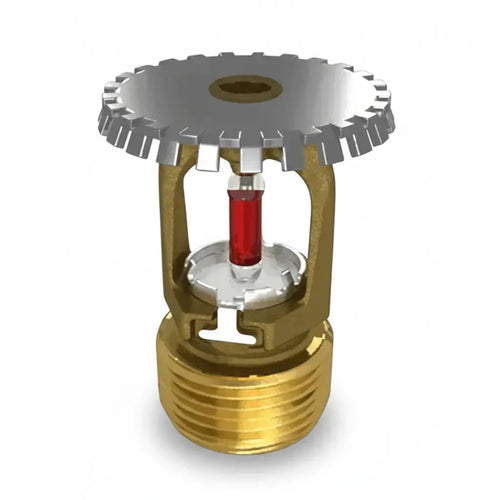
In unheated ceilings, standard heads are a liability. You need specialized dry pendent heads. These components feature a sealed barrel that keeps water from entering the drop nipple where it could freeze and burst the pipe. Selecting the correct barrel length is vital for success. The barrel must be long enough to span the distance from the heated space to the unheated ceiling. Sourcing high-quality viking fire sprinkler heads ensures your hardware meets modern temperature ratings and performance standards. You can browse our selection of fire protection hardware to find the exact parts for your next installation.
Antifreeze Solutions: Compliance, Cost, and Current Standards
The regulatory landscape for chemical freeze protection changed fundamentally following safety concerns over flammability. In the past, contractors often mixed propylene glycol or glycerine on-site to achieve a desired freeze point. Today, NFPA standards strictly prohibit field-mixing. You must use UL-listed, factory-premixed antifreeze solutions. These modern solutions are engineered to be non-flammable and provide predictable protection levels down to specific temperatures. This shift eliminates the human error that once led to dangerous system failures and provides peace of mind for facility managers.
When comparing a dry sprinkler system vs antifreeze, the latter often presents a lower initial cost for targeted applications. You don't need the complex mechanical footprint of a dry pipe valve or a dedicated air compressor. However, you must install specific hardware to manage the solution properly. This includes expansion tanks to accommodate the liquid's thermal growth as temperatures fluctuate. Protecting the potable water supply is another non-negotiable requirement that adds to the system's complexity.
NFPA Requirements for Antifreeze Systems
Compliance doesn't end at installation. NFPA 25 mandates annual testing of the solution's concentration using a refractometer or hydrometer. Fire marshals in 2026 look for clear documentation and permanent labeling at the riser. This includes the brand, type, and specific concentration of the solution used. System design must also account for the hydraulic impact of backflow preventer fire protection components. These devices prevent the chemical solution from siphoning back into the main water line, but they also introduce friction loss that your hydraulic calculations must reflect to ensure adequate pressure at the head.
When to Choose Antifreeze Over Dry Pipe
Antifreeze is the logical choice for small, isolated zones. If your protection area requires less than 40 gallons of fluid, a dry valve is often an overkill expense. This makes it ideal for residential NFPA 13D systems where riser room space is limited. It's also a functional remedy for retrofitting existing wet systems. If you've added an unheated entryway or a small porch, tapping into the existing wet line and adding an antifreeze loop is faster than installing a full dry system. Selecting between a dry sprinkler system vs antifreeze often comes down to the total volume of the area you need to protect and your long-term maintenance capacity.

Dry Sprinkler System vs Antifreeze: The Head-to-Head Comparison
Deciding between a dry sprinkler system vs antifreeze requires looking beyond the initial purchase price. You must evaluate the 10-year total cost of ownership. Dry systems generally demand a higher upfront investment. This covers the specialized dry pipe valve, air maintenance devices, and dedicated air compressors. In contrast, antifreeze systems offer a lower entry point for small zones. However, you must factor in the cost of a high-quality backflow preventer and a listed expansion tank. The choice often hinges on whether you prefer to pay for hardware now or for specialized chemical maintenance later.
Reliability is the ultimate goal. Dry systems eliminate the risk of chemical settling or solution degradation. They provide a "clean" suppression method that doesn't rely on chemical concentrations to remain effective. While antifreeze solutions are now UL-listed for safety, they still require precise management to ensure they don't become a liability. A dry system provides a mechanical certainty that many facility managers find reassuring in high-stakes environments.
Maintenance and Long-Term Reliability
Maintenance is where the two paths diverge. Dry systems come with "hidden costs" related to air management. You must manage condensation and regularly drain drum drips to prevent internal ice plugs. Air leaks can also lead to excessive compressor wear. Antifreeze systems face recurring testing costs. NFPA 25 mandates annual fluid samples to verify the solution's concentration. If the solution degrades or the concentration drifts outside of listed parameters, you face the expense of a full system flush and refill.
Longevity favors dry systems when they are protected against corrosion. While the presence of oxygen and moisture can lead to internal pitting, the use of nitrogen generators has revolutionized the lifespan of these systems. Replacing compressed air with nitrogen can extend the life of the piping to 20 years or more. This makes dry systems a superior choice for long-term infrastructure stability.
Code Compliance and Liability
Risk management often dictates your final choice. Many insurance providers prefer dry systems for high-value assets. They eliminate any concern regarding chemical flammability or potential water supply contamination. Using non-listed antifreeze in a commercial facility is a major liability in 2026. It can lead to denied insurance claims or severe fines from the fire marshal.
You must ensure all sprinkler system components online meet current ASTM standards and NFPA requirements. Compliance is the only way to guarantee your system will perform during a fire event. Source your compliant fire protection hardware from a trusted partner to eliminate any doubt about your system's integrity.
Making the Choice: Selecting the Right Components for Your Facility
Selecting between a dry sprinkler system vs antifreeze requires a thorough assessment of your facility's physical constraints. You've got to look at the record temperature lows for your region. If your area experiences extreme, prolonged freezes, the mechanical isolation of a dry system might be safer than relying on a chemical's freeze point. Zone size is another deciding factor. Large warehouses usually demand dry systems, while small residential attics are perfect candidates for antifreeze loops. Don't forget to check accessibility; if maintenance teams can't easily reach auxiliary drains or test ports, your long-term compliance will suffer.
Local fire codes are the final word. Some jurisdictions have specific restrictions on using antifreeze in high-density residential occupancies. Always consult with a licensed fire protection engineer. They'll perform the hydraulic calculations needed to ensure your pump can push water through the added friction of backflow preventers or the air-to-water transition of a dry valve. Precision in the design phase prevents failure during an emergency. Choosing the right dry sprinkler system vs antifreeze setup is a commitment to long-term safety.
Sourcing Professional Fire Protection Parts
Reliability starts with the components you choose. Sourcing fire protection parts online requires a partner who understands the 2026 standards. If you're building a residential antifreeze loop, verify that your Viking Plastics CPVC Pipe is compatible with the specific listed solution you've selected. Professionalism also extends to the finished look. Match your escutcheons and heads to ensure the installation looks as high-quality as it performs.
Final Checklist for Freeze Protection Success
Your facility's safety depends on verified adherence to standards. Don't compromise on the hardware that protects your assets. Use this checklist to finalize your protection strategy:
- Verify UL-listing for every gallon of antifreeze solution to ensure non-flammability.
- Schedule quarterly inspections for your air compressors to catch minor leaks before they trip the system.
- Keep a stock of replacement fire sprinkler heads on-site for immediate repairs.
- Ensure your backflow preventers are tested annually to protect the local water supply.
Secure Your Facility Before the First Frost
Navigating the complexities of freeze protection requires a balance of mechanical precision and chemical compliance. You've seen how dry pipe systems offer long-term durability for large warehouses through pressurized air and specialized hardware. Conversely, listed antifreeze solutions provide an efficient, code-compliant remedy for smaller zones when using factory-premixed solutions. The decision between a dry sprinkler system vs antifreeze is the foundation of your winter safety strategy and long-term infrastructure health.
Peace of mind comes from using verified, high-performance hardware that meets 2026 standards. You can secure your system with code-compliant dry pipe and antifreeze components from Fire Protection Parts. We offer industry-leading brands like Viking and Viking Plastics CPVC pipe to ensure your installation remains reliable. From specialized air compressors for dry pipe performance to UL-listed antifreeze solutions, our inventory eliminates the doubt of non-compliance. Take action now to ensure your fire suppression remains functional when the temperature drops. Build a system that protects your assets without compromise.
Frequently Asked Questions
Can I put antifreeze in a dry sprinkler system?
No, you should never put antifreeze in a dry sprinkler system. These systems are specifically designed to remain empty of all liquids until the moment of activation. Introducing a chemical solution into the piping would interfere with the pressurized air or nitrogen, potentially causing mechanical failures in the dry pipe valve or accelerated corrosion. If you need freeze protection for a specific zone, you must choose between a dry sprinkler system vs antifreeze as separate engineering solutions.
Is fire sprinkler antifreeze flammable?
Modern, UL-listed antifreeze solutions are engineered to be non-flammable. Older field-mixed solutions that used high concentrations of propylene glycol or glycerine posed significant fire risks, which led to the strict NFPA mandates we follow today. By using factory-premixed solutions, you eliminate the risk of the suppression agent contributing to the fire. Always verify that your solution is listed for fire protection use to ensure the safety of your facility.
How often does a dry pipe sprinkler system need to be tested?
NFPA 25 mandates a full trip test for dry systems every three years and a partial trip test annually. You also need to perform weekly or monthly inspections of air and water pressure gauges to ensure the system is stable. During winter months, auxiliary drains must be drained frequently to prevent trapped condensation from freezing. Consistent testing is the only way to guarantee the mechanical components will perform when temperatures drop.
What is the maximum temperature for an antifreeze system?
Listed antifreeze solutions are generally rated for environments where temperatures don't exceed 150°F. If the ambient temperature regularly surpasses this limit, the solution can degrade or cause excessive pressure buildup within the expansion tank. For areas with high heat exposure, a dry system or a standard wet system in a temperature-controlled environment is often a more reliable choice. Always check the manufacturer's technical data sheet for specific temperature limitations.
Do dry pipe systems require a special air compressor?
Yes, dry pipe systems require a dedicated air compressor designed for fire protection service. These units must be capable of restoring the entire system's air pressure within 30 minutes to meet NFPA 13 standards. You should also utilize an air maintenance device to regulate the pressure automatically. This hardware prevents the dry pipe valve from tripping accidentally due to minor, everyday pressure fluctuations or small leaks in the piping network.
How much does it cost to convert a wet system to a dry system?
The cost of conversion depends on the total square footage and the complexity of your existing piping. A conversion requires installing a dry pipe valve, a dedicated air compressor, and often repitching the pipes to ensure proper drainage toward auxiliary drains. While the initial investment is higher than a standard wet system, it's a necessary expense for protecting unheated areas where a burst pipe would cause catastrophic water damage and system downtime.
Can I use CPVC pipe with fire protection antifreeze?
You can use CPVC pipe with antifreeze, but only if the materials are verified for chemical compatibility. Viking Plastics CPVC pipe is a common choice for residential fire protection, but it must be paired with a listed antifreeze solution that won't cause stress cracking or material degradation. Always consult the pipe manufacturer's compatibility list before installation. Using the wrong chemical solution can compromise the structural integrity of your entire fire suppression system.
What happens if a dry pipe valve fails to trip during a fire?
If the dry pipe valve fails to trip, water will not enter the piping network, leaving the fire to grow unchecked. This failure usually results from poor maintenance, such as a blocked clapper or a failure in the air maintenance device. Regular inspections and adherence to the 2025 NFPA 13 standards are critical to prevent this outcome. Reliability in a dry sprinkler system vs antifreeze setup depends entirely on the quality of your components and the consistency of your maintenance schedule.

