

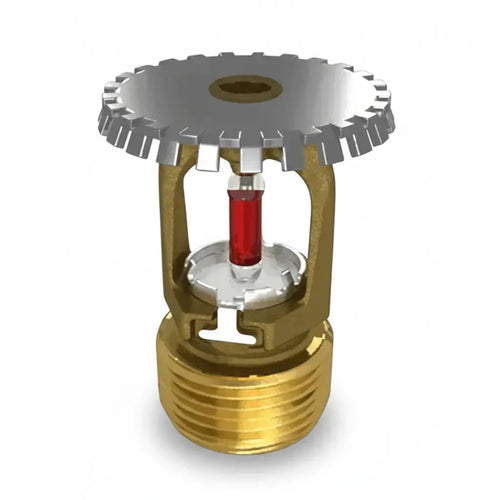


Viking Valve Replacements for Tyco Systems: Compatibility and Compliance Guide
Sticking to a single brand for fire protection maintenance is often a choice made out of habit rather than engineering necessity. When a legacy Tyco part becomes impossible to source or prohibitively expensive, your facility's safety shouldn't be held hostage by brand loyalty. Many facility managers and contractors are now turning to Viking valve replacements for Tyco systems to maintain their infrastructure without the long lead times or high costs of proprietary hardware. It's a strategic move that prioritizes system uptime and reliability over manufacturer labels.
You understand that every hour of system downtime represents a significant risk and a potential compliance violation. It's a common frustration to face a brand-locked scenario during a critical repair. This guide will show you how to safely and legally integrate Viking hardware into your existing Tyco setup. We'll examine the essential UL/FM compatibility requirements, explain the vital role of the Authority Having Jurisdiction (AHJ), and break down the technical differences between models like the Tyco DV-5A and the Viking VXD to ensure your replacement meets the current 2023 NFPA 25 standards.
Key Takeaways
- Confirm how UL Listings and FM Approvals influence the legality of cross-brand component swaps within a commercial system.
- Evaluate the hydraulic impact of Viking valve replacements for Tyco systems by comparing pressure loss and latching mechanisms.
- Navigate NFPA 13 requirements to ensure your replacement strategy meets the standards required by the Authority Having Jurisdiction (AHJ).
- Use our technical checklist to measure take-out dimensions and verify model specifications for a seamless hardware transition.
- Prioritize system longevity by sourcing professional-grade ductile iron valves that eliminate the risks of non-compliant or counterfeit parts.
Are Viking Valve Replacements Compatible with Tyco Fire Protection Systems?
Many facility managers believe they must replace a Tyco valve with an identical Tyco model to maintain compliance. This "Brand-on-Brand" requirement is a common misconception that often leads to unnecessary delays and inflated costs. In reality, Viking valve replacements for Tyco systems are a viable, code-compliant solution when engineered correctly. The focus of safety standards like NFPA 13 and the 2023 edition of NFPA 25 is on the performance and "listing" of the component, not the specific name on the valve casting.
For a component to be integrated into existing fire suppression systems, it must be "listed" by an agency like UL or FM for its specific application. Viking hardware is engineered to meet or exceed the same rigorous standards as Tyco. Facility managers choose Viking because of its reputation for durability and superior availability when local supply chains for legacy Tyco parts fail. Choosing the right hardware ensures that your life-safety infrastructure remains operational without being held hostage by proprietary brand-locking.
The Engineering Reality of Cross-Brand Compatibility
Hydraulic calculations are the backbone of any system modification. When you switch brands, you must account for the equivalent length and friction loss of the new valve. A Viking valve might have slightly different pressure loss characteristics than the Tyco unit it replaces, which could impact the overall system flow. Under UL 262 standards, cross-brand compatibility is defined as the ability of a listed gate or check valve to perform its intended safety function within a system's design parameters regardless of the original manufacturer. Fire marshals and Authorities Having Jurisdiction (AHJ) prioritize "equivalent performance" over brand matching. If the Viking valve meets the system's hydraulic demands and carries the appropriate listings, it's a compliant choice. Using Viking valve replacements for Tyco systems allows for a high-quality repair while maintaining full adherence to modern safety codes.
Common Scenarios for Viking-Tyco Integration
Replacing aging Tyco dry pipe valves is a frequent entry point for Viking hardware. As older Tyco models reach the end of their service life, sourcing internal repair kits becomes difficult and expensive. Installing a new Viking dry valve offers a fresh start with readily available maintenance parts. Upgrading legacy deluge systems with modern Viking VXD technology is another common scenario; the VXD has been a reliable industry staple since its 2021 release. The Viking VXD provides a compact, high-performance alternative to older, bulkier deluge valves like the Tyco DV-5A, which was introduced in late 2018. Availability often dictates the choice. When a Tyco part has a six-week lead time, a Viking replacement can often be sourced and shipped rapidly to restore protection and minimize dangerous system downtime.
Technical Comparison: Viking VXD vs. Tyco Deluge and Alarm Valves
Selecting Viking valve replacements for Tyco systems requires a deep dive into the mechanical differences that define system performance. While both manufacturers produce high-quality hardware, their internal architectures are distinct. For instance, the Tyco DV-5A deluge valve carries a pressure rating of 300 psi, whereas the Viking VXD is rated for 250 psi. This 50 psi difference is a critical factor for high-pressure high-rise applications but rarely impacts standard commercial installations. It's vital to remember that internal components, such as diaphragms and seat seals, are never interchangeable. A Tyco repair kit won't fit a Viking body, and attempting such a swap compromises the system's life-safety integrity.
Hydraulic performance is another area where brand differences become apparent. Every valve has a specific Flow Coefficient (Cv), which measures how much water can pass through the device at a given pressure drop. Replacing a Tyco valve with a Viking alternative necessitates a review of the original hydraulic calculations to ensure the NFPA 13 standard for water delivery is still met. Viking valves are often praised for their ductile iron construction and corrosion-resistant coatings, which offer exceptional longevity in harsh environments.
Maintenance teams often prefer Viking's approach to resetting. Many Viking models feature external resetting capabilities that don't require the removal of the cover plate. This design choice reduces labor hours and minimizes the risk of improper reassembly during routine testing. If you're struggling to find legacy Tyco parts, you can source professional-grade Viking hardware here to keep your project moving forward without compromising on quality.
Deluge Valve Performance Benchmarks
The PTR Electric Deluge VXD stands out as a premier choice for retrofitting Tyco-based deluge systems. Since its release in 2021, the VXD has proven its reliability in diverse environments. When comparing a 4-inch or 6-inch Viking VXD to its Tyco counterpart, the take-out dimensions are often similar, but not always identical. You must verify the end-to-end measurements to avoid costly piping modifications. The Viking VXD's streamlined trim package often makes it easier to fit into tight riser rooms where space is at a premium.
Alarm and Check Valve Considerations
Integrating Viking alarm valves into a Tyco riser involves more than just the valve body. You must ensure that existing water motor gongs and pressure switches are compatible with the Viking trim configuration. While most 1/2-inch and 3/4-inch NPT connections for accessories are standardized, the physical orientation of the trim can vary. Consulting a comprehensive guide for sprinkler system components online is the best way to verify that your new Viking riser components will align with existing drain lines and alarm piping. Proper alignment ensures that the system remains fully operational and compliant with local fire codes.
Navigating NFPA Standards for Cross-Brand Component Replacement
Compliance isn't just about making the parts fit; it's about verifying that the system will perform exactly as engineered during an emergency. When implementing Viking valve replacements for Tyco systems, the primary regulatory framework is the NFPA 13 standard for installation. This code requires that components used in a fire sprinkler system be listed. While it doesn't strictly mandate using the same brand for every repair, it does require that any replacement part maintains the system's overall integrity. You don't necessarily need a full system redesign or a fresh set of hydraulic calculations if the Viking hardware matches the performance profile of the original Tyco unit.
The concept of "listed" combinations is often a point of confusion. In most riser applications, the valve itself must be listed for fire protection service, but it doesn't always need to be listed specifically for use with a competitor's pipe or fittings. The burden of proof rests on the contractor to show the Authority Having Jurisdiction (AHJ) that the Viking valve matches the operational specifications of the legacy Tyco unit. Preparing a documentation package that includes technical data sheets and listing certificates is essential for a smooth inspection. This proactive approach eliminates doubt and demonstrates a commitment to professional safety standards.
NFPA 25: Inspection, Testing, and Maintenance (ITM)
Once a valve is replaced, your annual ITM cycle under NFPA 25 may require immediate adjustments. A major component swap usually triggers the need for a hydrostatic test to ensure the new connections are secure under pressure. It's vital to record the exact model, serial number, and date of installation for the new Viking hardware in the fire riser room logbook. This documentation ensures that future inspectors can verify the part's history and listing status without searching through old invoices. Keeping these records organized prevents delays during high-stakes compliance audits.
UL and FM Approval Nuances
If your facility is insured through FM Global, you must confirm that using Viking valve replacements for Tyco systems doesn't void your FM Approval status. While UL and FM listings are often similar, FM Global can have stricter requirements for specific system configurations. You can verify the current status of any Viking component by using the UL Product iQ database. A valve replacement must match the original’s listing criteria for temperature and pressure. Ensuring these values align perfectly is the only way to maintain your system's third-party certification and your facility's insurance standing. Professional-grade hardware is only as good as the documentation that proves its compliance.

Step-by-Step Checklist for Specifying a Viking Replacement Valve
Successfully executing Viking valve replacements for Tyco systems requires a methodical approach to procurement. Errors in measurement or trim selection lead to costly delays and dangerous system vulnerabilities. Precision is your best tool for maintaining compliance. Follow this structured checklist to ensure your hardware transition is seamless and your life-safety infrastructure remains uncompromised.
- Step 1: Identify the exact model and size. Locate the nameplate on your existing Tyco valve. You must know if you're replacing a DV-5, DV-5A, or a legacy alarm valve. Note the nominal pipe size, such as 4-inch or 6-inch, as this dictates the frame size of your Viking replacement.
- Step 2: Measure take-out dimensions. This is the end-to-end length of the valve body. Viking and Tyco valves often have different footprints. If the Viking valve is shorter, you'll need additional piping or spacers. If it's longer, your pipe fitters will need to modify the riser.
- Step 3: Verify trim compatibility. Determine your current release method. Is the system electric, hydraulic, or pneumatic? Your new Viking valve must be paired with a trim package that matches this specific release logic to function correctly within the existing fire panel configuration.
- Step 4: Consult hydraulic data. Revisit the flow requirements for your specific hazard area. Ensure the Viking valve's Flow Coefficient (Cv) supports the water delivery demands established in your original system design.
- Step 5: Order necessary components. A valve swap rarely ends with the valve body alone. You will likely need new fire protection fittings and accessories to bridge the gap between the new Viking hardware and the existing Tyco-designed riser.
Measuring for Success
Accuracy in the riser room starts with understanding your connection types. You must distinguish between flange-to-flange and groove-to-groove measurements, as these significantly impact the take-out dimension. Don't forget to account for physical clearances. Viking valves might have different handle orientations or external trim profiles than the Tyco units they replace. Ensure there is enough room for technicians to perform future maintenance without obstruction. Additionally, you must evaluate if the new valve weight or configuration requires adjustments to your seismic bracing for sprinkler systems. Maintaining a rigid, code-compliant support structure is non-negotiable during a hardware swap.
Trim and Accessory Integration
One of the most dangerous mistakes in fire protection is attempting to reuse Tyco trim on a Viking valve body. The "No" rule is absolute here; internal orifices, pressure ratings, and pilot settings are brand-specific. You must source a complete Viking trim kit designed for your specific valve model. While you're upgrading the riser, it's an excellent time to verify the downstream hardware. Ensure that your fire sprinkler head temperature ratings still align with the current occupancy and environmental conditions of the zone. Consistency across the entire system is the only way to guarantee a reliable response when it matters most.
Ready to restore your system's reliability? You can source your replacement Viking valves and trim kits here to ensure a professional, code-compliant installation.
Ensuring System Reliability with Professional-Grade Fire Protection Parts
Reliability in fire protection isn't just about the initial install; it's about how the system performs ten or twenty years down the line. Viking valve replacements for Tyco systems offer a significant advantage here due to their robust material composition. While some legacy valves utilized cast iron or specialized alloys that could become brittle over time, Viking’s heavy-duty ductile iron construction provides superior tensile strength and impact resistance. This material choice is engineered to withstand the high-pressure surges often encountered during system testing or actual fire events. Choosing high-quality hardware ensures that your replacement isn't just a temporary fix, but a long-term upgrade to your facility's safety profile.
Commissioning the system is the final, critical hurdle. Once the Viking valve is installed and the hydrostatic tests are complete, you must verify that every peripheral device is communicating correctly. This includes testing the waterflow alarms, tamper switches, and any electric release solenoids. Before you open the main control valve, notify the monitoring station and the local fire department to prevent accidental dispatches. A successful commissioning process proves that your Viking valve replacements for Tyco systems are fully integrated and ready to protect the building. It's the final step in eliminating doubt and providing the peace of mind that only professional-grade hardware can deliver.
The Value of Expert Sourcing
In an era defined by the "Amazon effect," it's tempting to source components from general marketplaces. However, fire safety is one industry where generic sourcing is a liability. Sourcing fire protection parts online from a specialized retailer ensures that every component carries the necessary UL listings and FM approvals. Professional sourcing is the first line of defense in life safety. Dedicated retailers provide more than just a box; they offer the technical data sheets, CAD drawings, and installation guides required to satisfy an AHJ’s requirements. At Fire Protection Parts, we specialize in bridging the gap between hardware procurement and code compliance, ensuring you have the documentation needed to back up your engineering choices.
Future-Proofing Your Suppression System
A valve replacement is often the perfect time to evaluate the health of the rest of your infrastructure. If you're dealing with corrosion in your piping, consider the long-term benefits of Viking CPVC fire sprinkler pipe for future retrofits in light-hazard areas. For dry systems, integrating modern air compressors for dry sprinkler systems can significantly improve moisture control and reduce the risk of internal pipe scale. These incremental upgrades build a more resilient system that's easier to maintain. When you're ready to secure your facility's future, you can browse the full catalog of Viking replacement valves at Fire Protection Parts to find the exact components your system requires.
Secure Your Facility with Code-Compliant Hardware
Maintaining a life-safety system shouldn't feel like a series of compromises. When legacy parts disappear from the market, Viking valve replacements for Tyco systems offer a reliable, engineering-backed path forward. Success depends on more than just a physical fit; it requires a deep understanding of hydraulic flow, UL/FM listing criteria, and the specific needs of the Authority Having Jurisdiction. By following a structured checklist and prioritizing ductile iron construction, you're not just fixing a leak; you're future-proofing your facility against long lead times and proprietary brand-locking.
As an authorized distributor of UL/FM compliant hardware, Fire Protection Parts provides an expert-vetted inventory designed for the rigors of commercial fire protection. We specialize in high-performance Viking suppression components, giving you the technical assurance needed for a successful inspection and long-term peace of mind. Our team understands that in this industry, there is no room for error or unverified hardware.
Find Your Viking Replacement Valve at Fire Protection Parts and get the professional-grade components you need to keep your facility safe. You've done the hard work of verifying your requirements; now it's time to install the hardware that matches your standards. Build with confidence and keep your protection systems online.
Frequently Asked Questions
Can I replace a Tyco deluge valve with a Viking VXD valve?
Yes, you can replace a Tyco deluge valve with a Viking VXD provided the new valve meets the system's hydraulic requirements and is approved by the Authority Having Jurisdiction (AHJ). The Viking VXD is a compact, reliable alternative often used in retrofits. It's critical to replace the entire valve and its brand-specific trim package, as internal components like diaphragms are never interchangeable between these manufacturers.
Will using a Viking valve in a Tyco system void the UL listing?
No, using Viking valve replacements for Tyco systems won't void the system's UL listing as long as the replacement valve is UL listed for fire protection service. Listings generally apply to the individual component's performance and safety standards. You must ensure the replacement is documented in the riser room logbook and that the AHJ approves the substitution based on the valve’s equivalent performance data.
Do Viking valves have the same take-out dimensions as Tyco valves?
Not always, as take-out dimensions vary significantly between different manufacturers and specific model generations. While some sizes may be similar, you must verify the exact end-to-end measurements before starting the installation. If the Viking valve footprint differs from the Tyco unit, your pipe fitters will need to modify the riser piping or use appropriate spacers to ensure a secure, code-compliant connection.
What is the benefit of Viking valves over Tyco for system repairs?
Viking valves often offer superior availability and simplified maintenance features, such as external resetting that doesn't require opening the valve body. Many facility managers find that sourcing Viking hardware is faster when local supply chains for legacy Tyco parts are constrained. Additionally, Viking’s ductile iron construction provides rugged durability, making it an excellent choice for maintaining long-term life-safety infrastructure in demanding environments.
Is a new hydraulic calculation required when changing valve brands?
Yes, a hydraulic review is necessary to confirm that the Viking valve’s Flow Coefficient (Cv) supports the original design’s water delivery demands. Even minor differences in friction loss can affect the pressure at the most remote sprinkler head. Verifying these calculations ensures the system remains compliant with NFPA 13 standards and will perform as expected during an actual fire event.
What happens if the AHJ discovers a non-listed valve brand in my system?
The AHJ may issue a formal violation notice or require you to replace the unlisted hardware immediately to restore system integrity. Fire protection components must be listed by a recognized agency like UL or FM to be considered code-compliant. If you've installed a listed Viking valve but haven't updated your records, providing the technical listing certificates is usually enough to resolve the inspector's concerns.
Where can I find technical data sheets for Viking replacement valves?
You can find comprehensive technical data sheets and CAD drawings on our product pages to assist with your engineering submittals. These documents provide the precise pressure ratings and flow data required to prove equivalent performance to the AHJ. Having this information ready ensures your implementation of Viking valve replacements for Tyco systems is handled with professional transparency and accuracy.
Does Fire Protection Parts offer technical support for valve selection?
We provide expert-vetted product information to help you select the most compatible hardware for your system repair. While we don't offer on-site engineering or installation services, our team can help you identify the correct Viking models that match your existing Tyco riser's specifications. We focus on being a dependable partner for contractors who need rapid access to code-compliant fire protection components.

